
Israel blocks Doctors Without Borders, other NGOs from Gaza work
Margret Dianne Fermin • Ipinost noong 2026-01-02 08:53:28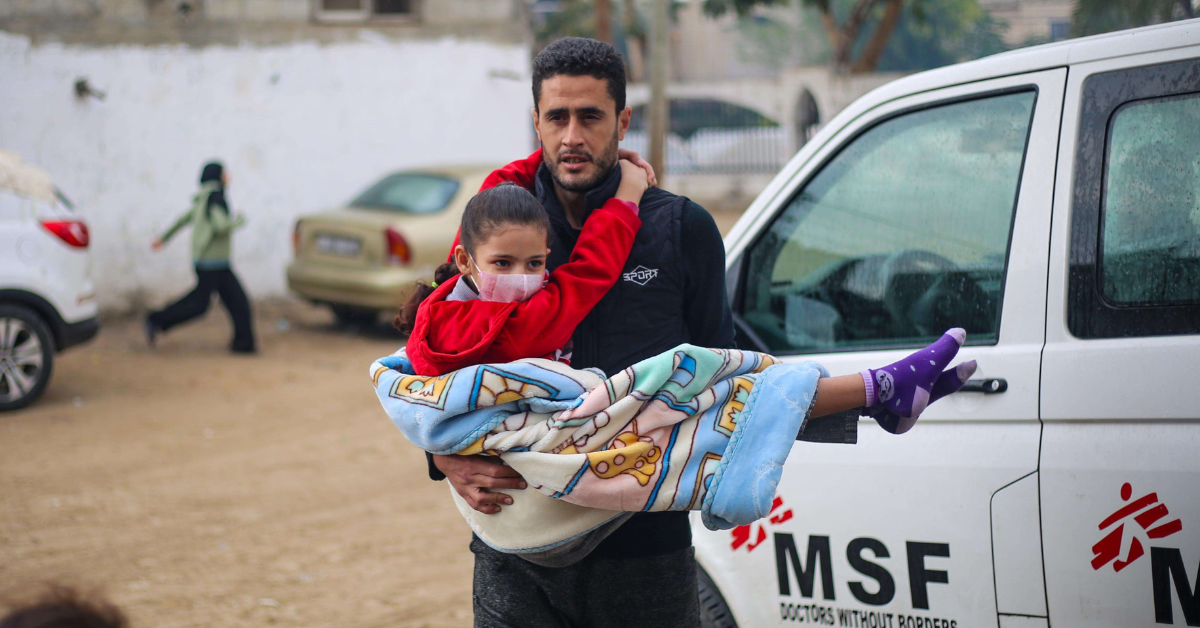
January 2, 2026 - Israel has confirmed that it is banning 37 international non-governmental organizations (NGOs) from operating in Gaza, including Doctors Without Borders (Médecins Sans Frontières, MSF), after the groups failed to comply with new security and transparency requirements.
According to the Israeli government, the affected organizations did not meet a deadline to provide detailed information on their Palestinian staff, funding sources, and operations. As a result, their licenses will be revoked, and they must cease activities in Gaza by March 1, 2026. Diaspora Affairs Minister Amichai Chikli defended the move, saying the rules were necessary to prevent Hamas from exploiting humanitarian frameworks.
The banned NGOs include MSF, Oxfam, ActionAid, and the Norwegian Refugee Council. Israeli officials stressed that these groups represent less than 1 percent of total aid inflows into Gaza, arguing that the impact on overall humanitarian assistance would be limited.
However, humanitarian organizations and international bodies strongly disagreed. The United Nations warned that the ban will exacerbate Gaza’s already dire humanitarian crisis, where residents face shortages of food, medicine, and shelter amid ongoing conflict. The European Union also expressed concern, urging Israel to reconsider the restrictions.
Doctors Without Borders, which has operated clinics in Gaza for years, said the decision would severely affect access to medical care. Images from Gaza City showed families arriving at MSF facilities on December 31, underscoring the reliance of civilians on international aid groups for essential health services.
Israel’s announcement has sparked widespread criticism from humanitarian advocates, who argue that the new requirements are overly restrictive and risk depriving civilians of life-saving assistance. Aid groups have warned that the ban comes at a time when Gaza is struggling with winter floods, sewage problems, and mass displacement, making international support more critical than ever.
Security Has Limits, and Humanity Is One of Them
States have the right to protect themselves. That principle is not in dispute. What is being tested now is how far security measures can go before they begin punishing civilians instead of threats.
Israel’s decision to ban dozens of international NGOs from Gaza is framed as a safeguard against militant exploitation. In theory, transparency and accountability are reasonable demands. In practice, the timing and scale of this move raise serious concerns. Gaza is already stretched beyond its limits, with hospitals overwhelmed, families displaced, and basic services barely functioning. Removing experienced humanitarian groups from that environment carries real, immediate consequences.
Doctors Without Borders and similar organizations operate where systems have collapsed. They fill gaps that governments and local institutions cannot. Treating them as expendable because they represent “less than one percent” of aid misses the point. In emergencies, even one clinic, one mobile team, one supply chain can mean the difference between life and death.
Security policies must be precise. When they are broad and rigid, civilians absorb the cost. Children needing medicine, patients needing surgery, families needing shelter do not benefit from geopolitical messaging.
Humanitarian access should not be leveraged as pressure. Once aid becomes conditional on politics rather than need, the moral line blurs quickly.
The world should insist on oversight without obstruction, verification without erasure, and security that does not hollow out compassion. In conflicts, power is measured not only by control, but by restraint.
Image from Doctors Without Borders