
DepEd gets ₱1 trillion budget for 2026, will students finally feel it?
Margret Dianne Fermin • Ipinost noong 2026-01-09 10:32:05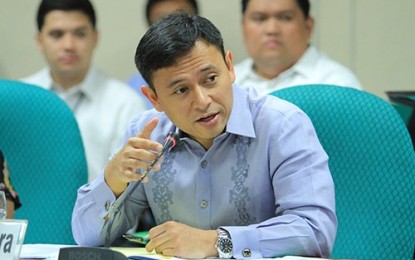
MANILA, January 9, 2026 — The Department of Education (DepEd) will receive a record ₱1.015 trillion budget for 2026, making it the single largest allocation in the national budget. Officials say the landmark investment underscores the government’s commitment to strengthening basic education, improving facilities, and supporting teachers nationwide.
Major Allocations
The largest share of the budget — ₱705.79 billion — will go to salaries, benefits, and personnel support for more than 900,000 public school teachers and staff. This includes ₱471.06 billion for permanent positions, ₱1.74 billion for honoraria for teaching overload, ₱4.82 billion for hardship allowances, and ₱53.94 billion for retirement and life insurance premiums.
DepEd will also spend ₱85.40 billion on classroom construction and facilities. This covers ₱65.9 billion for 24,964 new classrooms, ₱7.7 billion for repairs, ₱4.2 billion for project completion and leasing, ₱3.6 billion for desks and furniture, ₱1.1 billion for Gabaldon school building improvements, and ₱2 billion for medium-rise school buildings. Additional allocations include ₱56 million for community learning centers, ₱209 million for inclusive learning resource centers, ₱1 billion for library hubs, ₱500 million for school health facilities, and ₱330 million for PPP infrastructure projects.
The School-Based Feeding Program (SBFP) will receive ₱25.7 billion, covering universal feeding for Kinder and Grade 1, expanded feeding for wasted Grade 2–6 learners, and targeted feeding for nutritionally at-risk pregnant adolescents.
Digital learning and connectivity will be boosted with ₱10.68 billion, funding laptops for teachers and staff, Smart TVs, and internet access for over 8,000 schools. Meanwhile, ₱19.51 billion is allocated for textbooks and learning materials, with over 103 million items to be procured.
Curriculum reform and learning recovery programs will get ₱5.67 billion, supporting the revamped K to 10 curriculum, teacher training, and reading and numeracy initiatives.
Private schools will benefit from ₱41.08 billion in subsidies, including ₱26.49 billion for senior high school vouchers, ₱12.36 billion for education service contracting, and salary subsidies for more than 55,000 private school teachers.
Finally, ₱60.89 billion will fund school operations and maintenance (MOOE), distributed across elementary, junior high, and senior high schools nationwide.
Focus on Quality and Equity
Education Secretary Juan Edgardo Angara emphasized that the budget is designed not only to expand resources but also to ensure equity. “We are investing in classrooms, teachers, and technology to make sure every Filipino child, regardless of background, has access to quality education,” Angara said.
Lawmakers and civil society groups have urged DepEd to ensure transparency in spending, particularly in infrastructure projects and procurement, to guarantee that the budget translates into real improvements in classrooms.
Will Students Finally Feel the Trillion?
A ₱1.015 trillion budget sounds transformative. It should. At that scale, classrooms should ease, teachers should breathe, and learners should feel change where it matters most: daily school life.
But students do not learn from line items. They learn from usable classrooms, present teachers, clear textbooks, reliable meals, and lessons that meet them where they are. Budgets can expand agencies without reaching learners if execution lags, procurement stalls, or projects arrive late and incomplete.
This funding promises salaries, buildings, feeding, devices, and learning recovery. The test is not approval but delivery. Will new classrooms open on time? Will books reach desks before exams? Will connectivity work beyond photos? Will nutrition support show up every school day, not just on paper?
Equity will decide success. Remote schools, crowded cities, and struggling learners must feel the lift first, not last.
A trillion pesos creates expectations it cannot escape. When the school year ends, will students point to real improvements, or will the gains live mostly in reports?