
DepEd to review classroom observation policy after teacher dies
Margret Dianne Fermin • Ipinost noong 2026-01-09 17:29:47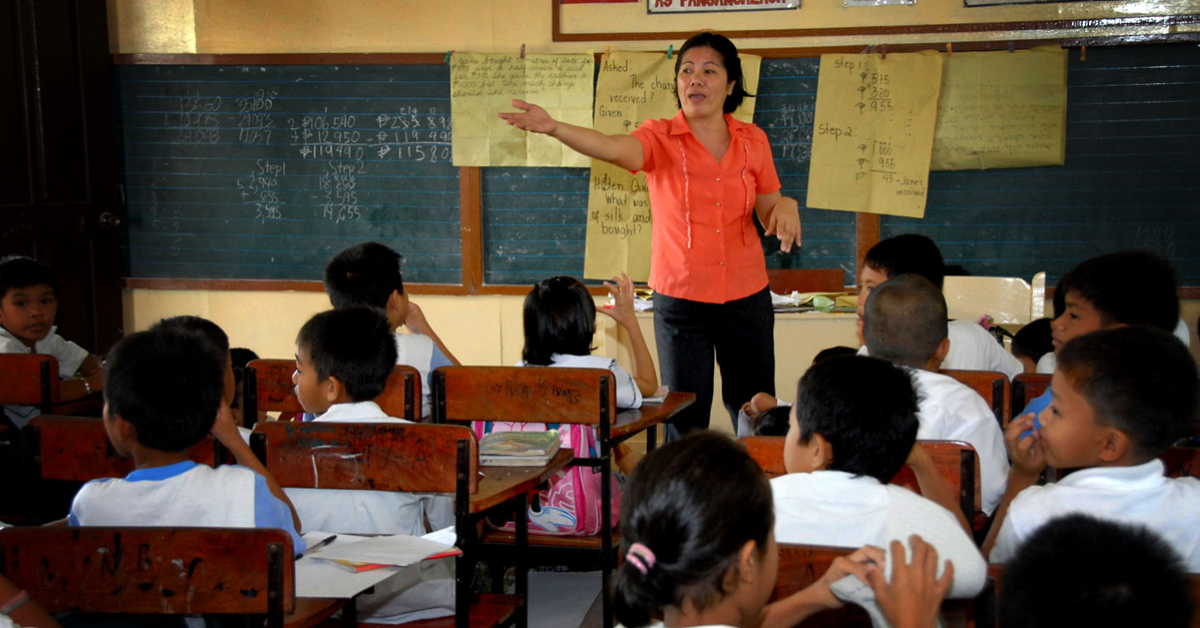
January 9, 2026 — Education Secretary Sonny Angara confirmed that the Department of Education (DepEd) is reassessing its classroom observation system following the death of Agnes Buenaflor, a teacher at Pedro E. Diaz High School in Muntinlupa City, who collapsed during a scheduled evaluation earlier this week.
“Actually, that is under review because teachers have complained that the environment can sometimes be too pressure-filled,” Angara said in Filipino during an ambush interview in Quezon City. “We no longer use it as the sole basis, and the surprise visits have been removed. Now, observations are scheduled and coordinated with teachers.”
Teacher Groups Demand Change
The Teachers’ Dignity Coalition urged DepEd to “urgently review its policies on classroom observations as an integral part of the teachers’ performance rating system,” while the Alliance of Concerned Teachers (ACT) called for the immediate suspension of the practice.
Both groups argue that the system places undue stress on educators, especially when tied directly to promotions, bonuses, and performance ratings under DepEd Memorandum No. 89-2025.
International Best Practices in Classroom Observation
Globally, classroom observation is increasingly framed as a formative tool rather than a punitive measure.
- United States (UCLA Teaching & Learning Center): Classroom observation is often peer-based and collaborative, designed to improve pedagogy through reflection rather than solely for evaluation.
- Evidence-Based Strategies (Classroom Walkthroughs, 2025): Best practices emphasize multiple short visits, constructive feedback, and separating evaluation from professional development.
- International Perspective (Studies in Educational Evaluation): Countries like Finland and Singapore use observation primarily to support teacher growth, not as a high-stakes determinant of career progression.
Compared to these models, the Philippine system has leaned heavily on summative evaluation, where classroom observation directly impacts career advancement. Critics argue this creates a high-pressure environment that undermines teacher morale and well-being.
The tragedy has reignited debate over how to balance accountability with teacher welfare. Analysts warn that unless reforms are implemented, DepEd risks eroding trust among educators and worsening attrition rates. Advocates are calling for:
- Mental health support for teachers.
- Workload management to reduce stress during evaluations.
- Transparent, formative feedback systems aligned with international best practices.
Angara said DepEd is open to further revisions based on consultations with stakeholders, emphasizing that reforms must “clarify policies and rebuild trust between teachers and the institution.”
Reform Should Not Require a Death
Teachers have been raising the same concerns for years. Excessive paperwork. High-stakes classroom observations. Evaluation systems that reward perfection on paper and punish human limits. These were not hidden complaints. They were documented, repeated, and largely tolerated.
Action came only after a teacher collapsed and died during an evaluation.
That sequence matters. It shows a system that listened only when tragedy made ignoring impossible. Reviews announced after a death do not erase the years when warnings were dismissed as routine stress or resistance to accountability.
Classroom observation can help teaching when it supports growth. It becomes harmful when it turns into surveillance tied directly to promotions, bonuses, and fear. International models proved long ago that formative feedback works without crushing pressure. Those options existed. They were simply not prioritized.
Reform should be proactive, not reactive. Teacher welfare should be policy, not condolence.
If it took a life for these complaints to be taken seriously, the question now is stark: will this review bring real change, or will urgency fade once the headlines do?