
Fitness test for Kiko Barzaga proposed, but who tests Congress on corruption?
Margret Dianne Fermin • Ipinost noong 2026-01-09 10:32:07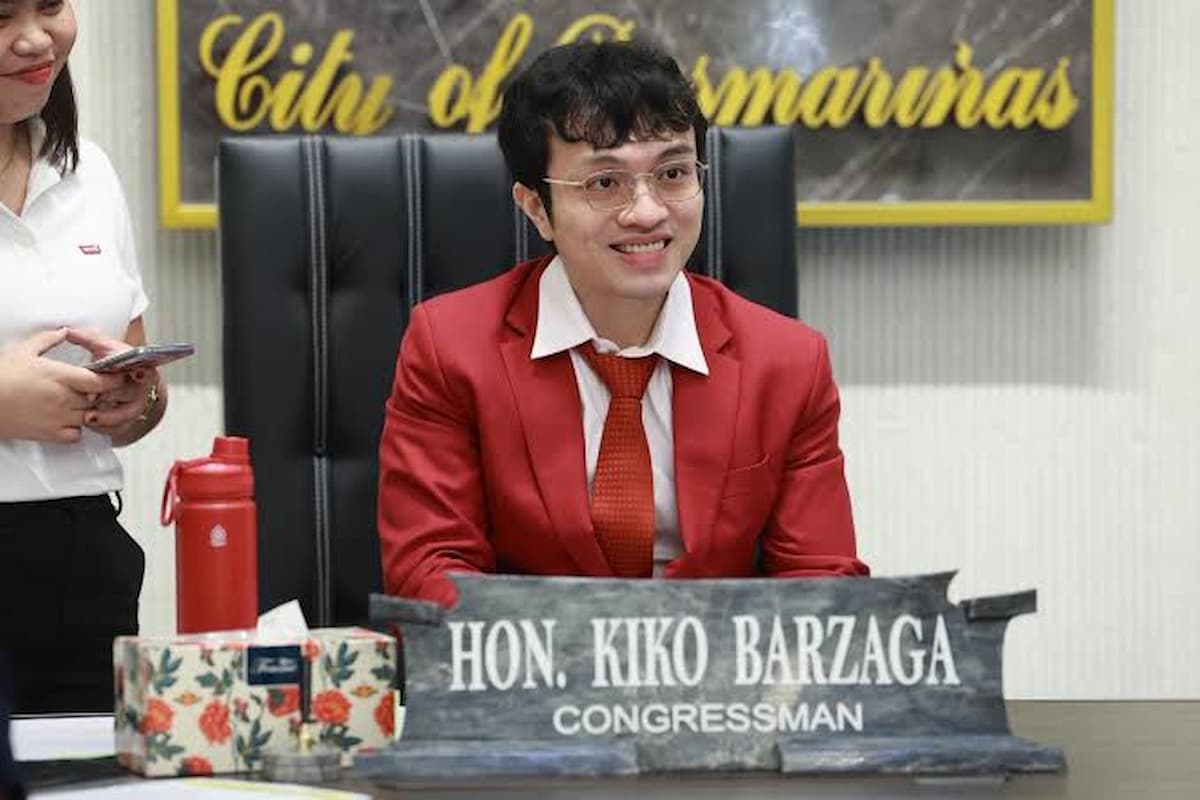
MANILA, January 8, 2026 — The National Unity Party (NUP) has filed a motion before the House Committee on Ethics and Privileges seeking a fitness determination for Cavite Rep. Francisco “Kiko” Barzaga before he is permitted to return to legislative work.
The move comes after Barzaga, who was suspended for 60 days without pay in December 2025 for misconduct, allegedly continued posting inflammatory and disorderly content on his verified social media accounts despite prior sanctions.
On December 1, 2025, the House adopted Committee Report 28, which found Barzaga guilty of misconduct under the House Code of Conduct and Republic Act 6713 (Code of Conduct and Ethical Standards for Public Officials and Employees). He was suspended for 60 days and warned that any repetition of similar acts would merit harsher penalties.
Despite this, NUP members claim Barzaga again used his social media platforms to publish content that discredited the House and undermined ethical standards. Some of his posts allegedly mocked the late Antipolo Rep. Romeo Acop and those mourning his death, while also promoting conspiracy narratives.
In their manifestation, NUP lawmakers argued that Barzaga’s continued actions raise questions about his fitness to serve. They asked the ethics panel to require a comprehensive fitness review before allowing him to resume his duties once his suspension lapses.
The complainants stressed that the issue is not only about Barzaga’s prior misconduct but also about ensuring that members of Congress uphold the dignity of the institution.
The case highlights growing concerns about accountability and discipline within the House of Representatives. Lawmakers have emphasized that ethical standards must apply consistently, even to senior members.
If the ethics panel grants NUP’s request, Barzaga would need to undergo a formal review process to determine whether he is fit to return to legislative work.
Punishment Is Swift for Noise, Slow for Power
From where many Filipinos stand, the pattern feels obvious. Discipline moves fast when a lawmaker is loud, disruptive, or openly critical. Sanctions follow quickly. Ethics motions surface. Fitness tests are proposed. The message is clear: behavior that embarrasses power will be addressed.
But when allegations point to something heavier, flood control funds, named congressmen, entrenched networks, the pace slows to a crawl. Hearings drag. Accountability becomes procedural. Consequences remain theoretical. Those implicated by whistleblowers and insiders continue as if nothing happened.
Yes, unethical conduct should be punished. No one is defending reckless behavior. But it feels deeply unfair when speech draws faster penalties than alleged corruption involving billions of pesos and communities left underwater. That imbalance sends a message about priorities.
It suggests this government is quicker to discipline noise than to challenge power. Quicker to restore order than to confront influence. Quicker to police dissent than to pursue accountability.
Filipinos notice these patterns.
So the real question is this: if punishment is fastest for disruption but slowest for corruption, who is the system really designed to protect?