
If 51% feel poor, are economic gains only on paper?
Margret Dianne Fermin • Ipinost noong 2026-01-10 10:13:33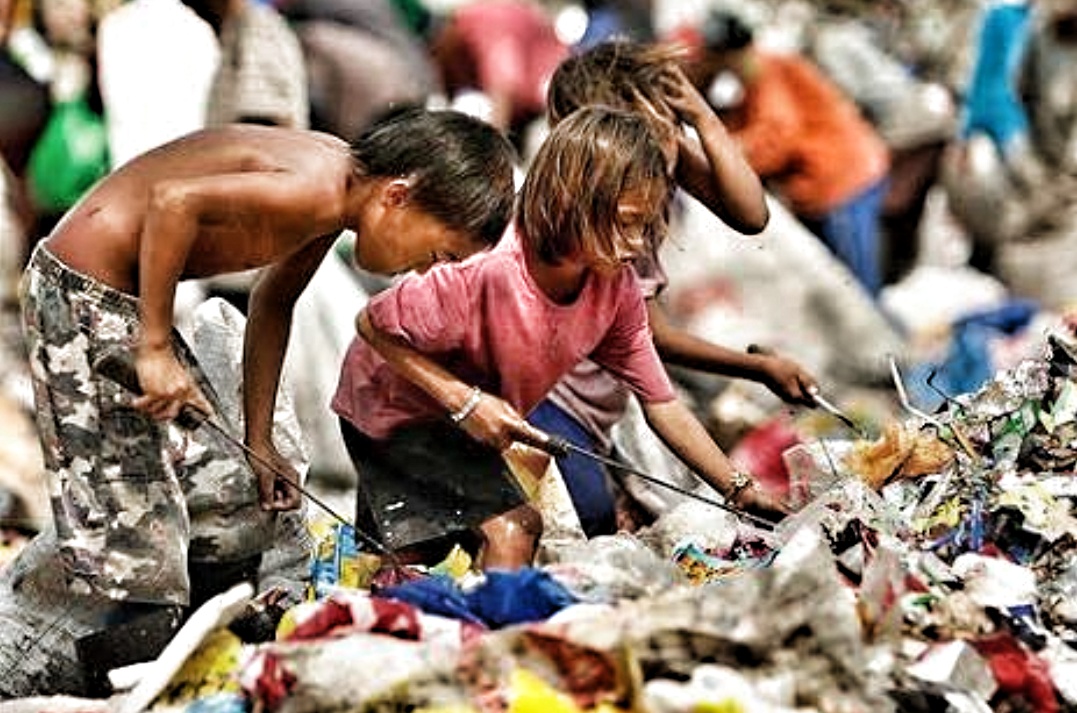
MANILA — A new Social Weather Stations (SWS) survey has revealed that 51 percent of Filipino families consider themselves poor, underscoring persistent economic challenges despite government claims of recovery. The nationwide poll, conducted in November 2025 among 1,200 adult respondents, was released on Friday and immediately sparked discussions on poverty and inequality in the country.
According to the survey, 12 percent of families placed themselves on the borderline between poor and not poor, while 37 percent said they were not poor. The figure of 51 percent represents a slight increase from the 50 percent recorded in September 2025, equivalent to about 14.3 million families nationwide.
SWS further categorized the self‑rated poor families: 6.5 percent were “newly poor” (those who were not poor one to four years ago), 8.5 percent were “usually poor” (non‑poor five or more years ago), and 35.6 percent were “always poor”, meaning they had never experienced being non‑poor. Regional breakdowns showed the highest proportion of self‑rated poor families in Mindanao at 65 percent, followed by the Visayas at 58 percent, Balance Luzon at 45 percent, and Metro Manila at 37 percent.
The survey also noted that the national median Self‑Rated Poverty Threshold — the monthly budget that poor families say they need to escape poverty — stood at ₱15,000, while the median Self‑Rated Poverty Gap was ₱6,000, reflecting the shortfall between actual income and perceived minimum needs.
Government officials have yet to issue a formal response to the survey, but economic managers previously pointed to declining inflation and improved employment figures as signs of recovery. However, analysts argue that the persistence of high self‑rated poverty indicates that many households remain vulnerable to rising food prices, unstable wages, and limited access to social services.
The findings come amid broader debates on poverty alleviation programs, including the Pantawid Pamilyang Pilipino Program (4Ps) and recent proposals to expand subsidies for basic commodities. Advocacy groups have urged the government to address structural issues such as rural underemployment, regional inequality, and the impact of climate‑related disasters on livelihoods.
The SWS survey highlights the enduring struggle of millions of Filipino families who continue to see themselves as poor. With more than half of households nationwide identifying poverty as their reality, the challenge for policymakers is to translate macroeconomic gains into tangible improvements in everyday life.
When Half the Nation Feels Poor, Who Is Recovery For?
When 51 percent of Filipino families say they are poor, that is not a feeling. It is a lived reality. Poverty shows up in empty refrigerators, delayed medicines, and constant anxiety over the next bill.
This comes at a time when the national budget is the biggest in history. Trillions are allocated. Programs expand. Agencies grow. Yet for millions, daily life remains a struggle. The disconnect is hard to ignore.
Budgets measure intent. Outcomes measure truth. If spending is record-breaking but poverty remains widespread, something in the system is failing to translate resources into relief.
So the question the public keeps asking is blunt and fair: with the biggest national budget ever, why are so many Filipinos still poor?