
Barzaga calls Razon ‘Epstein’ as cyberlibel case looms — Free speech or reckless smear?
Margret Dianne Fermin • Ipinost noong 2026-01-15 13:28:34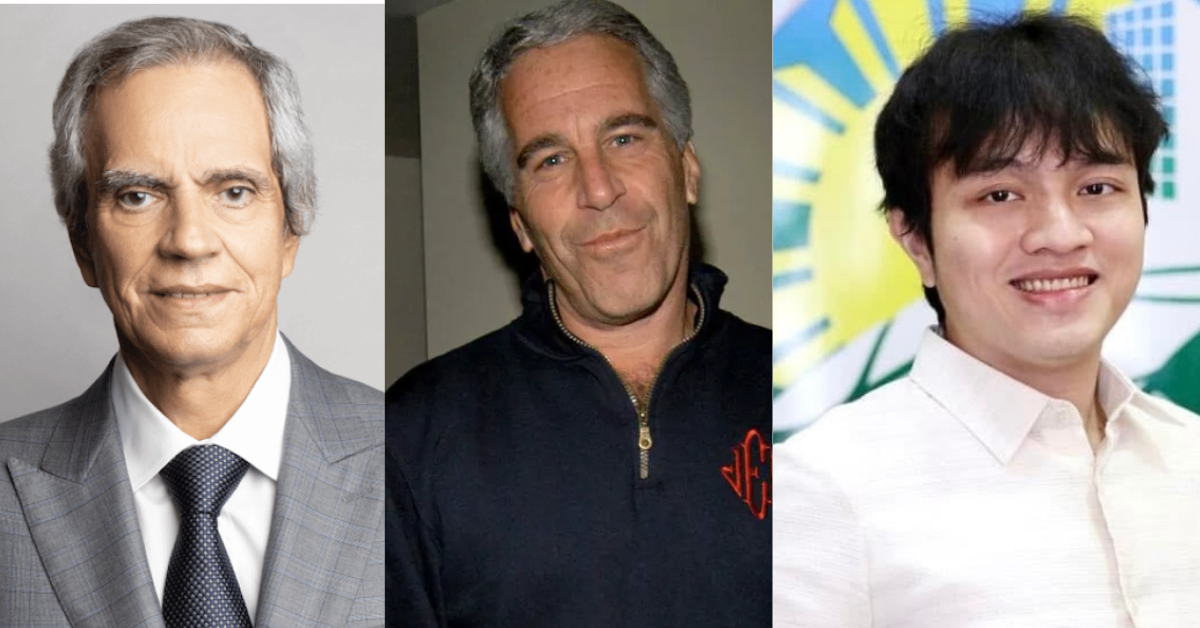
January 15, 2026 – Manila, Philippines. Suspended Cavite Representative Francisco “Kiko” Barzaga has continued to post provocative remarks against billionaire Enrique Razon Jr. on social media, even after the ports and casino magnate filed a cyberlibel complaint seeking more than ₱100 million in damages.
On January 14, Barzaga posted: “Chill inuman lang muna kayo ni Congressman Puno, malalaman rin ng mundo ang tunay na pagkatao mo, Enrique ‘Epstein’ Razon!” The statement came just a day after Razon’s lawyers lodged a complaint before the Makati City Prosecutor’s Office, accusing the lawmaker of spreading false and malicious claims that damaged his reputation.
Barzaga also mocked Razon’s demand for damages, writing: “Enrique Razon is seeking over 100 million pesos in damages? You’re already the richest man in the country and you still want more? This is the type of greed that the Bible warns about.” In another post, he declared: “If I am to be killed fighting Enrique Razon, I want all of my money and property to go to stray animals.”
Razon, chairman of International Container Terminal Services Inc. (ICTSI) and Bloomberry Resorts Corp., has denied Barzaga’s allegations that he bribed lawmakers to consolidate support for House Speaker Martin Romualdez. His legal counsel, Laurence Arroyo, said the businessman was compelled to act because the posts were “false and malicious” and intended to malign his character. The suit seeks ₱100 million in moral damages and ₱10 million in exemplary damages.
Barzaga, who was suspended by the House of Representatives in December 2025 for 60 days due to offensive posts against President Ferdinand Marcos Jr., has remained defiant. He insists he is exposing corruption and has vowed to face Razon in court. His repeated references to Razon as “Epstein” have drawn criticism, with observers noting the allusion to Jeffrey Epstein, the disgraced American financier convicted of sex trafficking.
The controversy underscores the growing tension between political dissent and the use of cyberlibel laws in the Philippines. While Razon insists he is protecting his reputation, Barzaga has positioned himself as a vocal critic of powerful figures, often using incendiary language online.
The Makati City Prosecutor’s Office is expected to review the complaint in the coming weeks. If probable cause is established, Barzaga could face trial for cyberlibel, a criminal offense under Philippine law.
Free Speech Meets Its Limits
Criticizing the powerful is a cornerstone of democracy. Exposing influence, questioning wealth, and challenging political alliances deserve protection. But free speech does not mean freedom from responsibility.
When political criticism slips into personal insults, insinuations, and name-calling, the line blurs. The argument shifts from substance to spectacle. Courts enter, not to weigh public interest, but to judge words. In that moment, the conversation about power, influence, and accountability is sidelined by rhetoric that weakens its own cause.
This tension matters. Democracy suffers when speech is chilled by law. It also suffers when dissent discredits itself through recklessness. Truth is strongest when it stands on evidence, not provocation.
How do we defend free speech against power without crossing the line that hands power the right to silence it?