
Impeachment complaint rocks Marcos presidency — is this the crack that breaks the palace walls?
Marijo Farah A. Benitez • Ipinost noong 2026-01-19 13:42:47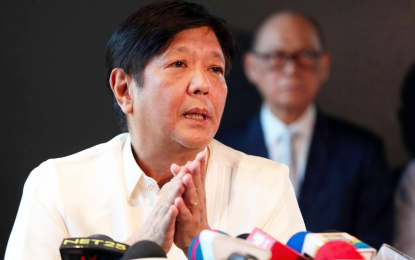
JANUARY 19, 2026 — President Ferdinand “Bongbong” Marcos Jr. just got hit with his first impeachment complaint, and it’s already stirring up talk everywhere — from the halls of Congress to the streets. Filed by lawyer Andre de Jesus and endorsed by Pusong Pinoy Party-list Rep. Jett Nisay, the complaint accuses Marcos of corruption, constitutional violations, and betrayal of public trust.
Big words, big charges, and big questions about what this means for the country.
What started it all
House Secretary General Cheloy Garafil confirmed the complaint landed on her desk Monday morning. De Jesus says Marcos crossed the line when he allowed former president Rodrigo Duterte to be surrendered to the International Criminal Court (ICC).
Remember, Duterte was arrested in March 2025 over alleged crimes against humanity tied to the drug war. De Jesus insists the arrest was unconstitutional, calling it a case of the President letting a citizen be “whisked away, kidnapped, without due process, despite the functioning courts in our country.”
The drug issue that won’t die
The complaint also throws in a bombshell: Marcos is allegedly unfit to serve because of drug use. This claim blew up after his own sister, Senator Imee Marcos, accused the First Family of using illegal drugs. Malacañang said the President was “disappointed” by her remarks, but he hasn’t directly denied the allegations or taken a drug test.
De Jesus insisted, “Silence means yes. We have not heard from the President denying it. We have not heard from the President undergoing procedure to debunk all these rumors.”
Money, projects, and politics
De Jesus also claims Marcos is knee‑deep in corruption — ghost projects, kickbacks, and budget tricks. He says Marcos inserted massive amounts into the General Appropriations Act to create a pool of funds for kickbacks. He also accuses him of using the Independent Commission for Infrastructure to shield allies caught in the flood control scandal, which has already angered the public.
On top of that, Marcos signed budgets from 2023 to 2026 that contained unconstitutional provisions, including the transfer of excess PhilHealth funds to the National Treasury. The Supreme Court later ruled this illegal, but Marcos had already signed the 2025 budget.
The numbers game
Impeachment in the Philippines is all about numbers. The House has to act, but with Majority Leader Sandro Marcos — the President’s son — running the rules committee, the chances of this complaint moving forward look slim.
Still, the filing itself is a political earthquake. And the endorser, Rep. Jett Nisay, isn’t exactly squeaky clean either. His construction firm bagged millions in public works projects before he became a congressman, and his name has been linked to plunder charges.
That makes people wonder: Is this really about accountability, or just another power play?
Why this matters
For many Filipinos, impeachment talk usually feels like elite drama. But this time, the issues hit close to home: corruption in flood control projects, questionable budgets, and drug allegations at the highest level. These aren’t abstract debates — they affect public money, public trust, and the credibility of the presidency.
The Constitution lays out the process: the House receives the complaint, refers it to committee, and if one‑third of members vote in favor, the Senate takes over for trial. Conviction requires two‑thirds of senators. It’s a long road, but the mere filing has already sparked a national conversation.
The bigger picture
This isn’t just about President Bongbong Marcos. It’s about how far the system can go in holding leaders accountable, how much power political dynasties really have, and whether ordinary citizens will ever see justice beyond headlines.
The Palace may dismiss this as political noise, but the filing alone raises questions that cut deep: Will Congress act, or will loyalty win over accountability? Can impeachment ever succeed in a House dominated by allies?
And most importantly — does this process serve the people, or is it just another round in the endless game of power?
For Filipinos watching from the sidelines, the real issue isn’t just the complaint itself. It’s whether this moment sparks genuine change or fades into another forgotten chapter of political drama.
Is this the start of a reckoning, or just another show in the circus of Philippine politics?
(Image: Philippine News Agency)