
CHED cracks down on diploma mills — fake degrees, real damage?
Margret Dianne Fermin • Ipinost noong 2026-02-04 10:37:16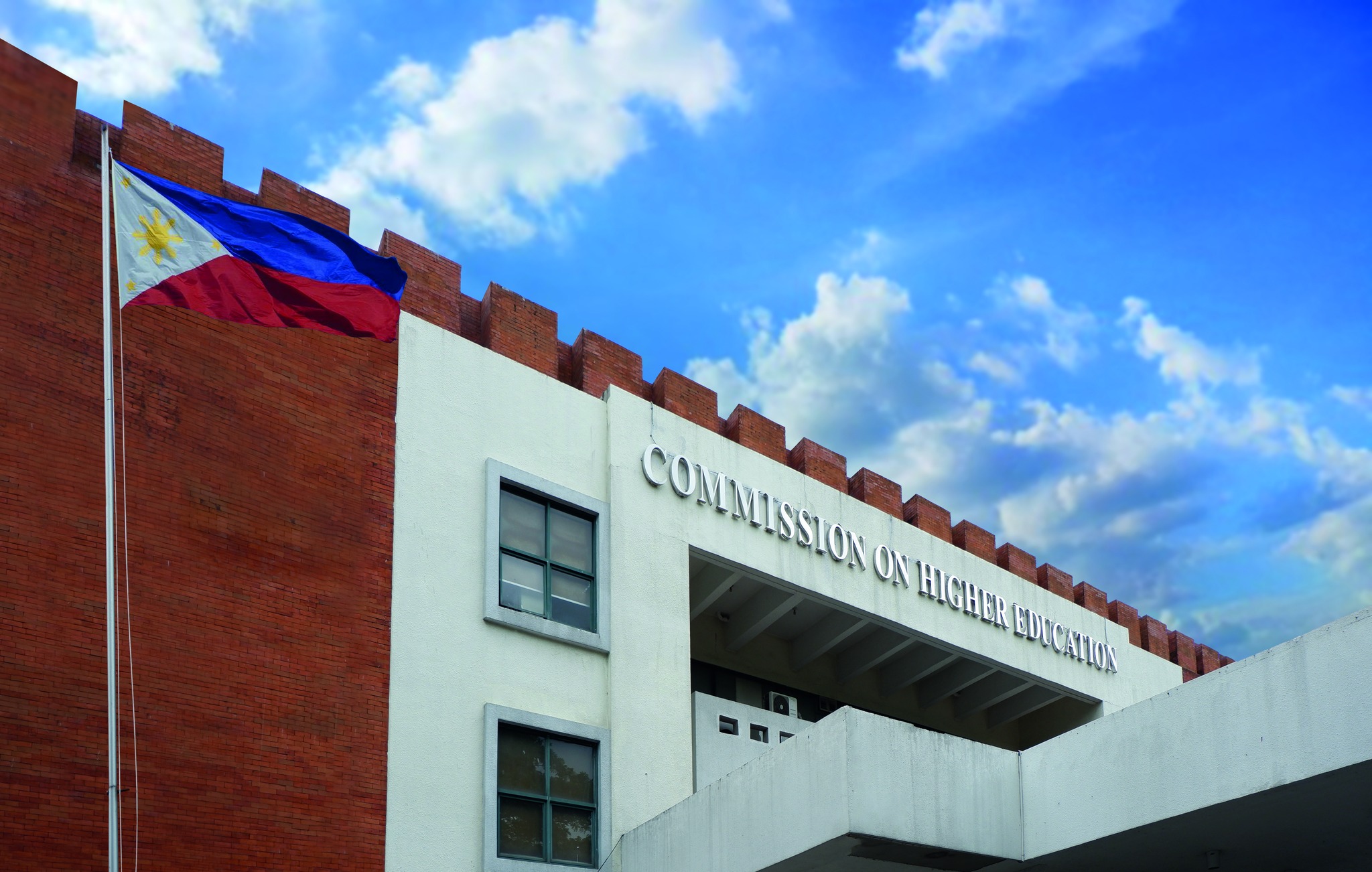
The Commission on Higher Education (CHED) has intensified its crackdown on so-called “diploma mills,” targeting unauthorized teacher education programs and fraudulent academic offerings across the country. The move comes after reports that teachers in Palawan were duped into enrolling in unaccredited courses for promotion.
MANILA, Philippines — February 4, 2026 — CHED officials confirmed during a Senate hearing that illegal extension programs have been operating in Palawan, offered by a private school based in the Bangsamoro Autonomous Region in Muslim Mindanao. “It’s an illegal offering at Palawan,” CHED Senior Education Specialist Ericson Reyes said, adding that the matter has already been referred to concerned agencies for action.
The agency stressed that it has stepped up monitoring of graduate-level programs nationwide and has the authority to issue sanctions, show-cause orders, and even recommend the closure of non-compliant institutions. This is part of CHED’s broader effort to protect teachers and students from fraudulent credentials that undermine the quality of education.
The crackdown is also supported by a Joint Memorandum Circular signed in late 2025 by CHED, the Department of Education (DepEd), the Professional Regulation Commission (PRC), and the Teacher Education Council (TEC). The agreement established a national registry of legitimate academic programs to help prevent the proliferation of diploma mills and ensure that only accredited institutions can offer teacher education and graduate programs.
Education watchdogs have long warned that diploma mills produce underqualified teachers and professionals, weakening the country’s education system. In fact, the Second Congressional Commission on Education (EDCOM 2) previously urged CHED to enforce stricter measures after its 2024 nationwide evaluation of teacher education institutions revealed gaps in quality assurance.
CHED’s renewed drive comes at a critical time, as demand for teacher promotions and graduate credentials continues to rise. By intensifying its regulatory actions, the commission aims to safeguard academic integrity, protect educators from exploitation, and strengthen the credibility of Philippine higher education.
The agency has urged teachers and students to verify the accreditation status of programs before enrolling, reminding the public that legitimate courses are listed in CHED’s official registry. This initiative is expected to help restore trust in the education system and prevent further cases of fraud.
Degrees Without Substance, Damage With Consequences
Diploma mills do more than sell false credentials. They quietly hollow out professional standards, allowing paper qualifications to replace competence, training, and accountability within the education system.
When unaccredited programs pass as legitimate, the damage lingers long after diplomas are issued. Underqualified teachers enter classrooms, promotions lose meaning, and trust in academic pathways erodes in ways that are difficult to reverse.
If credentials can be bought without substance, how long can the system rely on degrees as proof of readiness to teach?