
Silencing critics or upholding democracy? What does the Hontiveros case teach us?
Robel A. Almoguerra • Ipinost noong 2026-02-05 23:24:04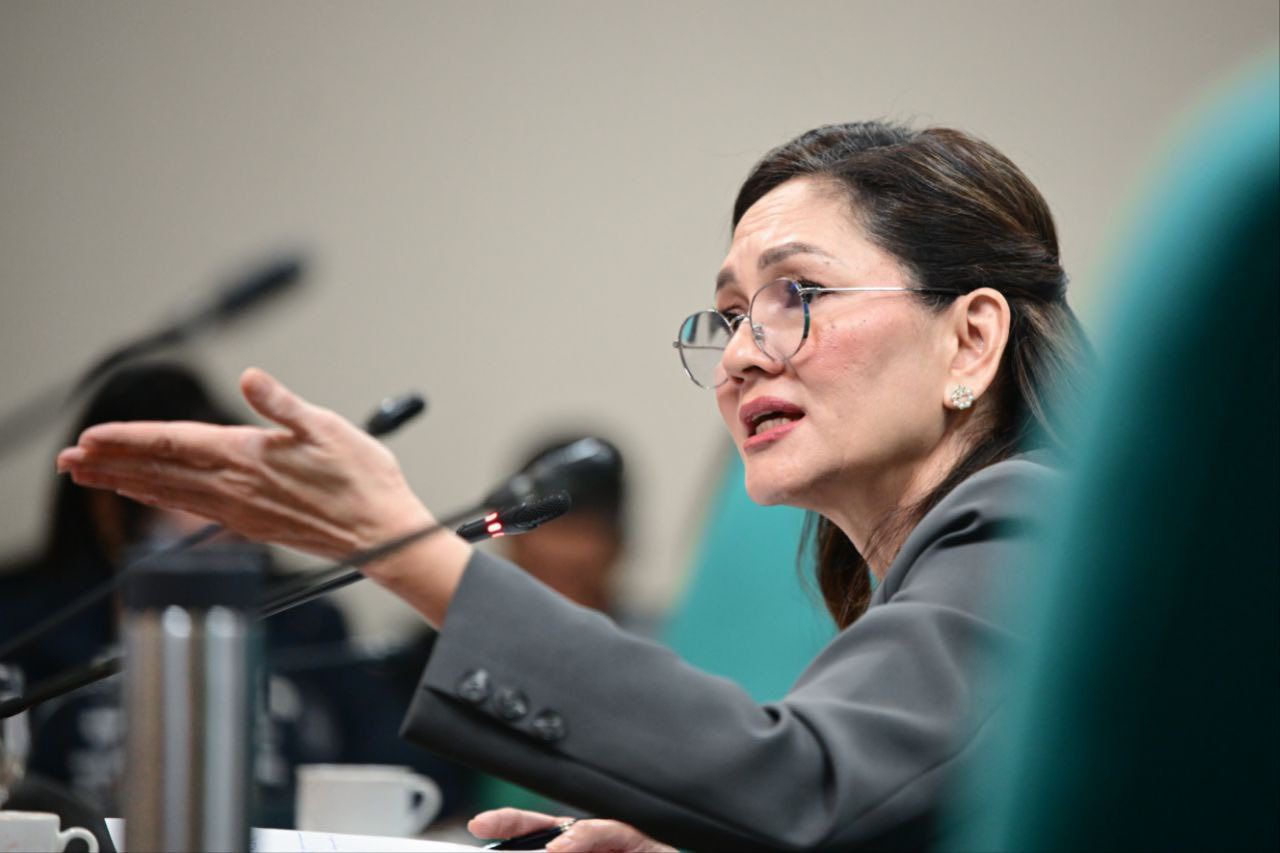
MANILA, Philippines — A recent resolution by the Department of Justice (DOJ) dismissing the cyberlibel complaint involving Senator Risa Hontiveros has reignited an important conversation about free speech, accountability, and the expectations placed on public officials in a democratic society. Central to the DOJ’s decision was a pointed reminder drawn from a past ruling of the Supreme Court: being “sensitive” has no place in public service, especially when such sensitivity risks silencing public discourse.
In its resolution, the Prosecutor’s Office emphasized the Supreme Court’s warning that government officials are expected to endure criticism, scrutiny, and even harsh commentary. According to the Court, allowing officials to weaponize personal hurt or offense could create a “chilling effect,” discouraging citizens from expressing opinions or raising concerns out of fear of legal retaliation. In a democracy, this fear can be just as damaging as outright censorship.
The DOJ further explained that the statements and online posts directed at Senator Hontiveros fell within the realm of public discourse. As a public figure involved in politically charged issues and Senate investigations, she is subject to public opinion, debate, and criticism. While such commentary may be uncomfortable or even offensive, the prosecutors ruled that it does not automatically amount to cyberlibel.
This ruling underscores a long-standing legal principle: public office comes with reduced expectations of privacy and increased tolerance for criticism. The law draws a clear line between legitimate defamation and expressions of opinion tied to matters of public interest. By dismissing the case, the DOJ reaffirmed that courts and prosecutors should not become tools to stifle dissent or intimidate critics.
Beyond the legal implications, the decision raises broader questions about power and accountability. In an era where social media amplifies voices—both fair and unfair—how should public officials respond to criticism? Should the law shield them from offensive speech, or should resilience and transparency be part of the job? As institutions continue to balance protection against abuse with the preservation of free expression, one question remains at the heart of this discourse: in a democracy built on debate and dissent, where should society draw the line between protecting reputations and protecting the public’s right to speak freely? (Larawan mula: Risa Hontiveros / Facebook)