
The race against time: DOE scrambles for Russian, US oil lifeline
Marijo Farah A. Benitez • Ipinost noong 2026-03-19 18:35:20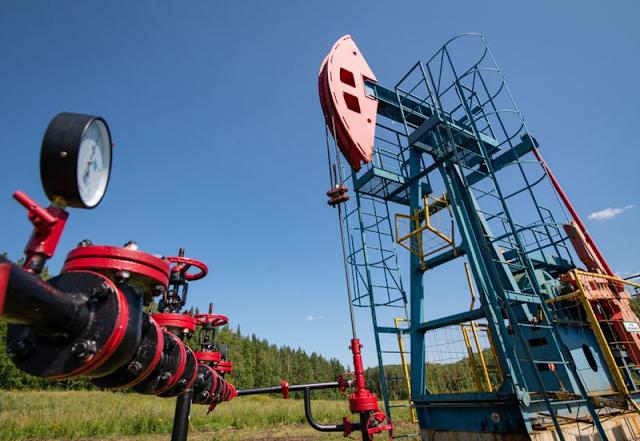
MARCH 19, 2026 — The Philippines is staring down a fuel crunch as the Department of Energy (DOE) scrambles to secure oil shipments from Russia and the US, with Energy Secretary Sharon Garin warning that the country’s supply buffer could dip dangerously low by late April. With inventories already below the 40‑day mark, the government is racing against time — not just against rising prices, but against the logistical nightmare of moving oil halfway across the world.
Secretary Garin admitted that while the mandated 15‑day minimum buffer is still intact, the downward trajectory is alarming.
“We are aggressively exploring alternative sources,” she said, but stressed that the challenge is no longer about finding the cheapest oil — it’s about getting it here before the tanks run dry.
The DOE has its eyes on Russian Urals crude, which is priced lower than Brent and West Texas Intermediate. India and China are already snapping up Russian barrels, reshaping the global energy map.
But there’s a catch. Shipping from Russia takes weeks, compared to the one‑week turnaround from Asian suppliers. That delay could spell trouble for the Philippines, especially with Middle Eastern tensions keeping prices volatile.
The US is another option, but Pacific shipments mean higher costs and longer transit times. In short, neither alternative is a quick fix.
The International Energy Agency’s move to release 400 million barrels of emergency reserves is meant to calm markets, but Brent crude is still hovering around ₱5,745 per barrel ($102.70), while WTI sits at ₱5,320 ($95.12). Russian Urals, meanwhile, is inching toward ₱5,590 ($100) in India.
What’s striking is how the Philippines, despite being a small player in the global oil game, is caught in the same storm as the giants. The easing of sanctions on Russian crude has opened doors, but also exposed us to the same risks of long shipping routes and unstable geopolitics.
The DOE’s balancing act — between affordability, availability, and timeliness — underscores a hard truth: energy security isn’t just about stockpiles — it’s about foresight and speed.
Will the government move fast enough to keep our jeepneys, tricycles, and cars running, or are we about to be left stuck on the road when the fuel buffer finally runs dry?
(Image: Yahoo Finance UK)