
Gatchalian pushes Palace to act: Iran must let PH-bound oil tankers through
Marijo Farah A. Benitez • Ipinost noong 2026-03-29 18:06:55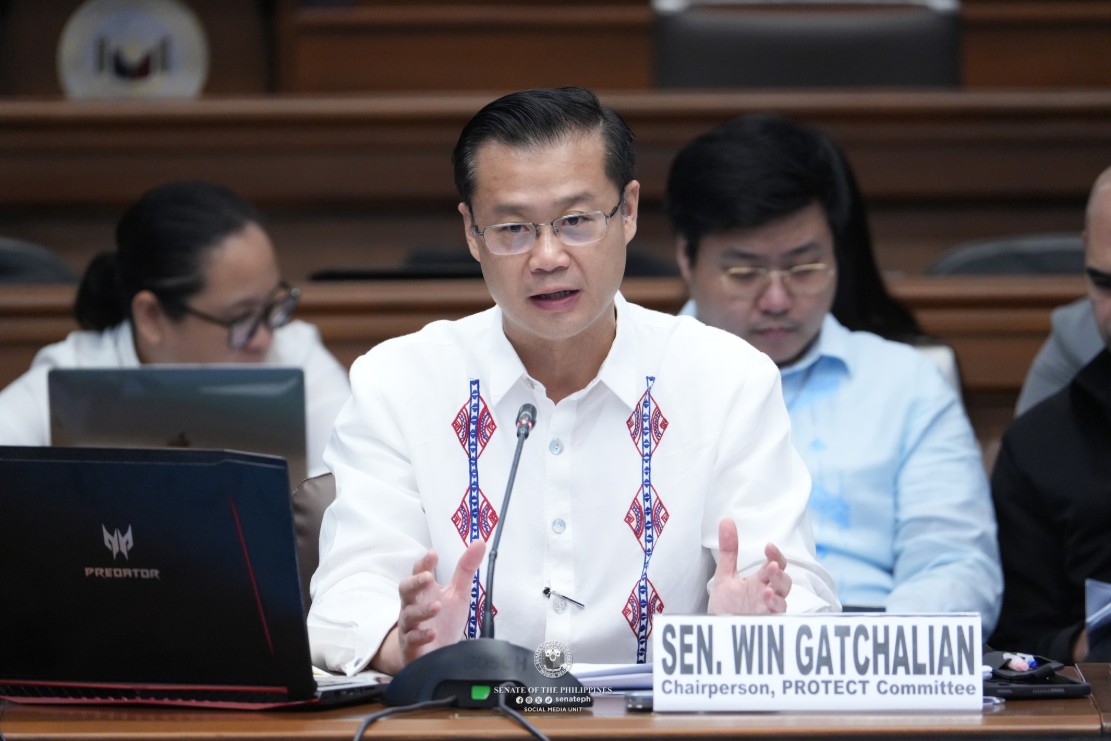
MARCH 29, 2026 — Senator Sherwin Gatchalian calls it as he sees it. With nearly all of our crude oil coming from the Middle East, he’s telling Malacañang to stop playing safe and start talking tough. His proposal? Push Iran to let Philippine-bound tankers pass freely through the Strait of Hormuz before Filipinos get slammed with yet another fuel shock.
The Strait of Hormuz is the world’s oil choke point — one-fifth of global supply flows through it. But after the US-Israel strike on Iran last month, Tehran tightened its grip. Reports say Iran’s Revolutionary Guard has turned the strait into a “toll booth,” charging vessels up to $2 million each, often in yuan. Nearly 2,000 ships are stuck waiting.
Iran insists the strait is open to all except the US, Israel, and their allies. The Philippines, while a US treaty ally, isn’t part of the war. That neutrality could be our ticket — if the Palace moves fast.
“I strongly urge the executive department to engage in high-level discussions with Iran to secure safe passage of Philippine-bound oil vessels through the Strait of Hormuz and ensure they are recognized as neutral entities,” Gatchalian said.
He’s right to sound the alarm. Diesel prices could jump by ₱11–₱12 per liter, pushing pump prices past ₱140. Gasoline may rise by ₱3 more. That means higher fares, pricier goods, and heavier daily burdens.
So far, Malacañang hasn’t responded. President Marcos Jr. insists we have enough crude stocks until end-June, but the Department of Energy says supply is only good for 40–45 days. Contracts for 1 million barrels of diesel have been secured — barely five days’ worth of consumption.
Energy Secretary Sharon Garin confirmed, though, that fresh shipments are arriving, with 22.57 million liters already procured. The DOE is also talking to China and exploring deals with Japan, Canada, and the US.
But diversification takes time. Right now, 98 percent of our crude still comes from the Middle East.
The Bureau of Customs is also rushing to fast-track imports, marking fuel to prevent smuggling and monitoring vessels entering Philippine waters. Commissioner Ariel Nepomuceno ordered ports to prioritize oil shipments, noting petroleum products make up ₱200 billion of annual collections. Recent arrivals include 9.1 million liters of diesel consigned to PNOC and 100,402 barrels of crude for Petron.
This crisis exposes how vulnerable we are. Every missile fired in the Gulf rattles jeepneys, tricycles, buses, and delivery trucks here at home.
Malaysia, China, and India have already secured passage. Why not us?
The Palace can’t afford to sit on its hands. Gatchalian’s proposal is clear: negotiate directly with Iran, assert our neutrality, and protect our oil lifeline. We don’t need vague reassurances — what we need is bold diplomacy before the squeeze turns into a choke.
Will the Marcos administration step up and fight for our oil lifeline, or will we be left stranded at the mercy of global powers?
(Image: Senate of the Philippines | Facebook)