
Manila offers ₱25,000 aid to bakeries for price freeze — Can subsidies sustain affordable food prices?
Robel A. Almoguerra • Ipinost noong 2026-04-09 22:50:31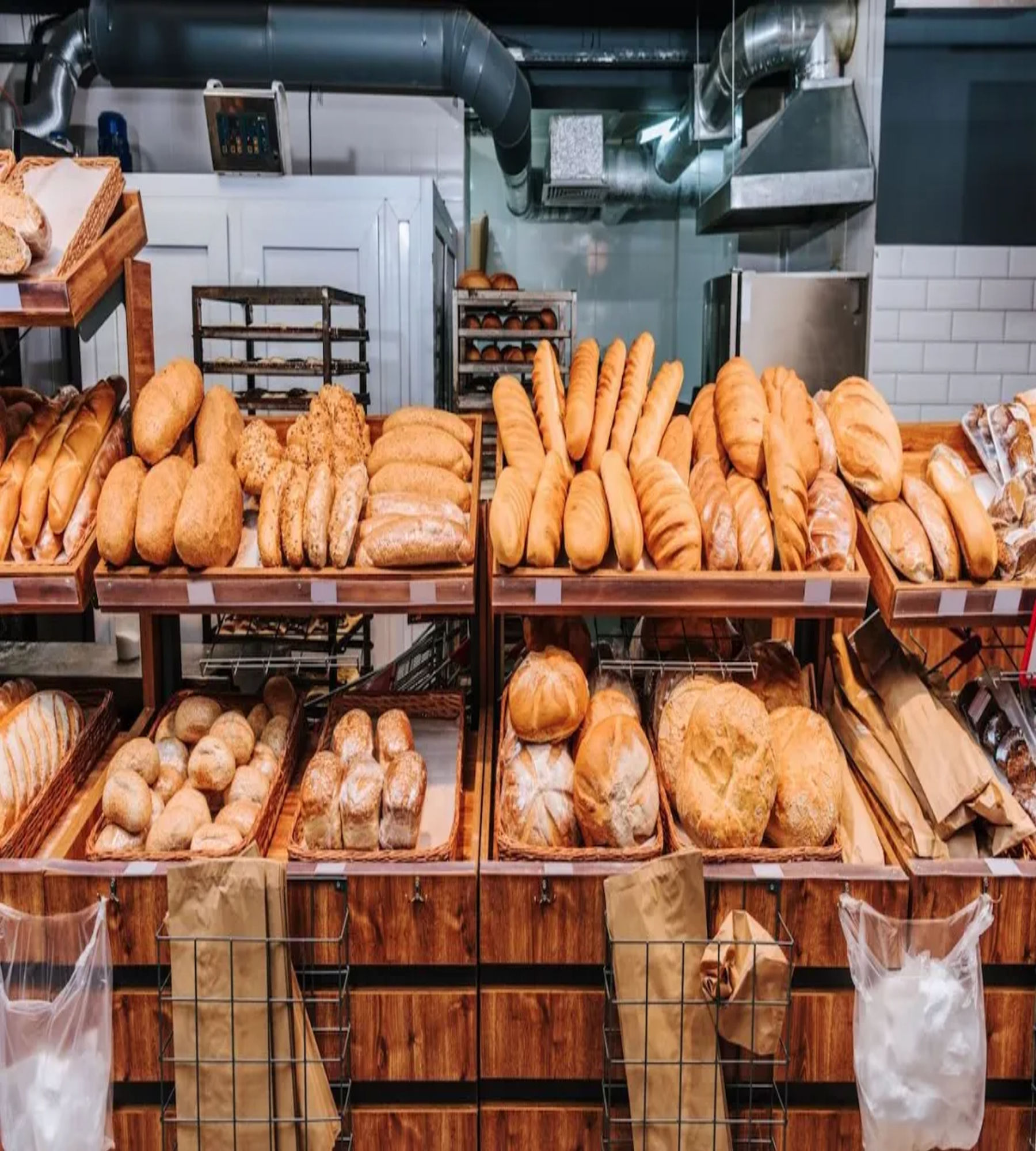
MANILA, Philippines — The local government of Manila has introduced a targeted economic measure aimed at balancing consumer protection and business sustainability. Under the initiative, participating bakeries will receive ₱25,000 in financial assistance in exchange for maintaining current prices of staple bread products.
The program was formalized during a meeting led by Isko Moreno Domagoso with representatives from various local bakeries. The agreement provides one month of financial support to help cover operational costs, particularly as businesses face rising prices of raw materials, fuel, and utilities.
In return, bakeries are required to keep prices stable for commonly consumed bread items such as pandesal, pan de limon, putok, and Spanish bread—products that form part of the daily diet of many Filipino households. The move is intended to shield consumers from further price increases while ensuring that small businesses can continue operating without absorbing all the financial strain.
This approach reflects a growing trend in local governance: using direct subsidies to stabilize prices during periods of economic uncertainty. By supporting producers rather than imposing strict price controls alone, the city aims to create a more balanced solution that benefits both businesses and consumers.
However, the program also raises questions about sustainability. While short-term assistance can ease pressure, long-term reliance on subsidies may strain public funds and may not fully address underlying issues such as supply chain disruptions and rising production costs. Additionally, not all bakeries may be able to participate, potentially creating uneven competition within the sector.
Ultimately, the initiative highlights the challenge of managing inflation at the local level—where immediate relief is necessary, but structural solutions remain complex.
As Manila implements this strategy, one question remains: Can financial incentives effectively stabilize prices without creating long-term dependency, or is a deeper economic solution needed to truly protect both businesses and consumers?
(Larawan mula: fooodlove)