
Marcos rolls out P10 fuel subsidy as diesel prices continue to choke PUV drivers
Marijo Farah A. Benitez • Ipinost noong 2026-04-10 13:12:14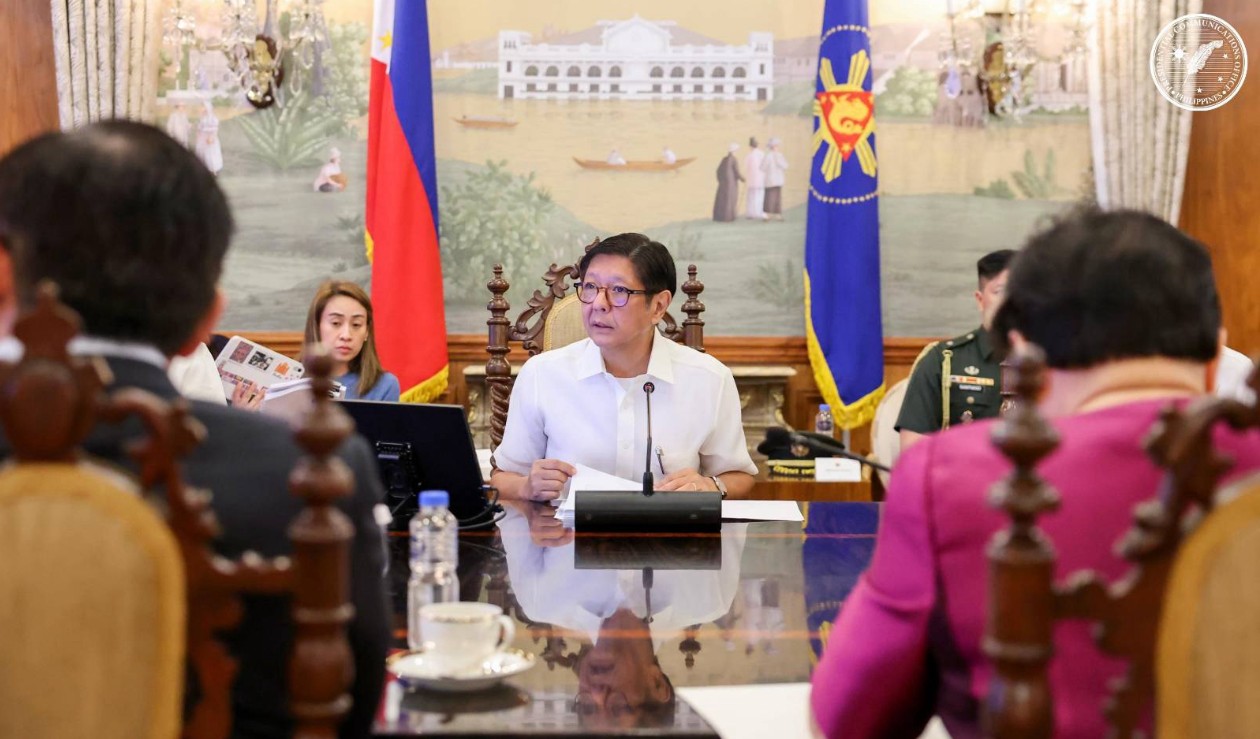
APRIL 10, 2026 — President Ferdinand Marcos Jr. has rolled out a P10 per liter fuel subsidy for public utility vehicles (PUVs), a move meant to cushion transport workers from the relentless surge in fuel prices triggered by the ongoing war in the Middle East. Capped at 150 liters per week for three months, drivers could save up to P1,500 weekly, or P18,000 in total.
For jeepney and bus drivers who’ve been bleeding from diesel prices breaching P170 per liter, that’s no small change.
In his video message, Marcos emphasized that the fuel subsidy is not just about easing transport costs for drivers and commuters. He framed it as a broader measure to help stabilize the prices of food and other essential goods, pointing out that rising fuel costs ripple across the economy and hit ordinary citizens hardest.
The subsidy will first roll out in Metro Manila, starting on Commonwealth Avenue, then expand to Quezon Avenue, Alabang-Zapote Road, A. Bonifacio Avenue, Rizal Avenue, and Marcos Highway before reaching the rest of the country. Only legitimate, DOE-approved gasoline stations will honor the subsidy.
However, the announcement didn’t specify which PUVs qualify. Jeepneys? Buses? UV Express vans? Tricycle drivers are already asking if they’re left out of the picture. And while the subsidy helps, it’s only temporary — three months of relief against what could be a long, drawn-out global oil crisis.
So is this a cure or just a short-term patch?
The government isn’t stopping there. The Department of Transportation will launch a PUV service contracting program on April 15, covering 50,000 PUVs and 1,000 operators, potentially benefiting up to 15 million passengers. Drivers under this scheme will earn P40 to P100 per kilometer on top of their regular income, with GPS monitoring to ensure compliance. Commuters, meanwhile, get a 20% fare discount.
Sounds promising, but again, details are thin. Which routes, which operators, and how soon before commuters actually feel the difference?
Let’s not forget the one-time fuel subsidies already handed out — ranging from P1,500 to P10,000 — and the P5,000 cash relief from the DSWD. These are lifelines, yes, but lifelines that keep needing renewal. Every week, oil companies announce double-digit hikes, and every week, drivers brace for impact. Relief packages keep coming, but the question remains: How sustainable is this cycle of subsidies?
For commuters, the subsidy is more than just cheaper rides. It’s about whether the government can keep food prices stable, ensure transport remains accessible, and prevent inflation from spiraling further. For drivers, it’s about survival — whether they can keep their vehicles running without drowning in debt. And for the rest of us, it’s about whether these short-term fixes can evolve into long-term solutions.
The upbeat tone of the announcement may soothe nerves for now, but we all know better than to celebrate too early. Relief today doesn’t guarantee stability tomorrow.
Do you think the government will ever craft a lasting transport and energy policy that doesn’t just patch holes but builds resilience?
(Image: Presidential Communications Office | Facebook)