
Metro Manila chokes as Navotas landfill fire turns air ‘very unhealthy’
Marijo Farah A. Benitez • Ipinost noong 2026-04-12 09:02:51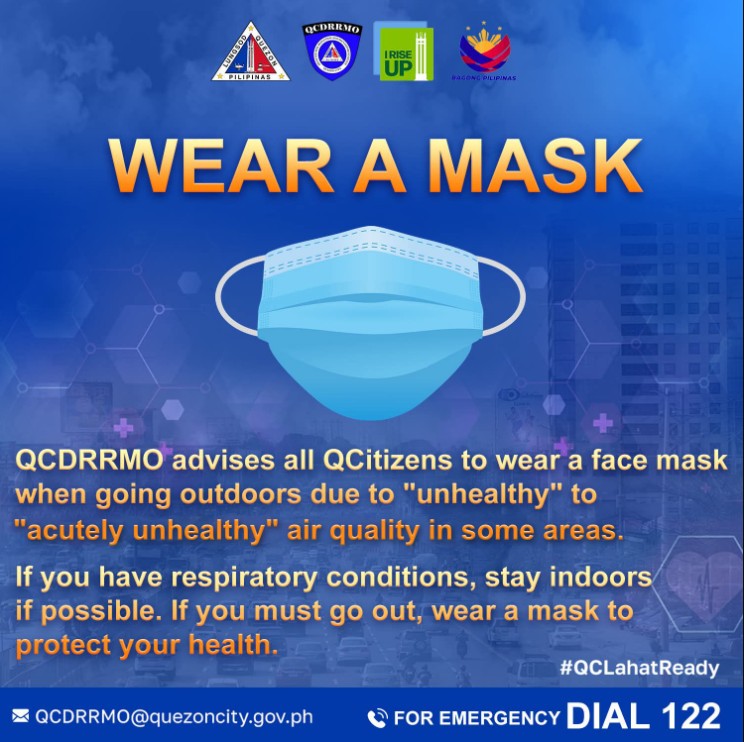
APRIL 12, 2026 — Metro Manila woke up choking on smog this weekend as the Navotas landfill fire blanketed the capital in “very unhealthy” air, forcing residents indoors and reigniting debate on how the city manages its waste.
The fire at the Navotas Sanitary Landfill, which broke out on Friday night, April 10, has spread haze across Navotas, Valenzuela, Malabon, Caloocan, Quezon City, Mandaluyong, Pasig, Makati, Manila, and San Juan, even reaching Obando, Bulacan. Authorities confirmed the blaze was contained by Saturday morning, but the smoke continues to poison the air. The Bureau of Fire Protection said the site was a 40-hectare closed landfill, inactive since August 2025, but still capable of wreaking havoc on the metro’s lungs.
The Environmental Management Bureau–NCR deployed drones and air quality sampling, with readings hitting PM2.5 levels of 80, classified as “very unhealthy.” For context, PM2.5 particles are so fine they can burrow deep into the lungs, raising risks for children, seniors, and those with heart or respiratory conditions.
Residents didn’t need scientific charts to know something was wrong. In Barangay Talipapa, Quezon City, one woman said the smog stung her nose and eyes. In Pasong Tamo, locals reported a smell “parang nasusunog na kuryente” (like burning electricity), with some complaining of chest pain.
Navotas Mayor John Rey Tiangco clarified that the fire broke out at an old, non-operational landfill not owned by the LGU. Still, the city scrambled: trenching was done to stop the spread, while the Philippine Air Force dropped water buckets from the air.
Other LGUs, including Quezon City, Mandaluyong, Valenzuela, and Manila, issued advisories urging residents to stay indoors and suspend outdoor activities.
But whether operational or not, this landfill was sitting there like a ticking time bomb. Fires in waste facilities aren’t rare — they’re symptoms of a bigger disease: Metro Manila’s chronic waste mismanagement.
This incident exposes how fragile our urban ecosystem is. One landfill fire, and suddenly millions are breathing toxic air. Add vehicle exhaust, industrial emissions, and cooking smoke, and you’ve got a recipe for disaster. The EMB itself admitted that multiple factors worsen air quality, but the landfill blaze was the spark that lit up the smog.
Along with traffic, flooding, and housing woes, dirty air is another cruel reminder that Metro Manila is living on borrowed time. We can’t keep sweeping garbage under the rug — or burying it in landfills that later come back to haunt us.
What we need are long-term waste solutions, stricter enforcement of environmental laws, and investment in sustainable alternatives. Otherwise, the next landfill fire won’t just sting our eyes — it could choke our future.
Do you agree that it’s about time we confront the garbage crisis head-on?
(Image: Quezon City Disaster Risk Reduction and Management Council | Facebook)