
DepEd rolls out AI-driven libraries — Will P1B solve reading gaps?
Margret Dianne Fermin • Ipinost noong 2026-04-16 17:41:06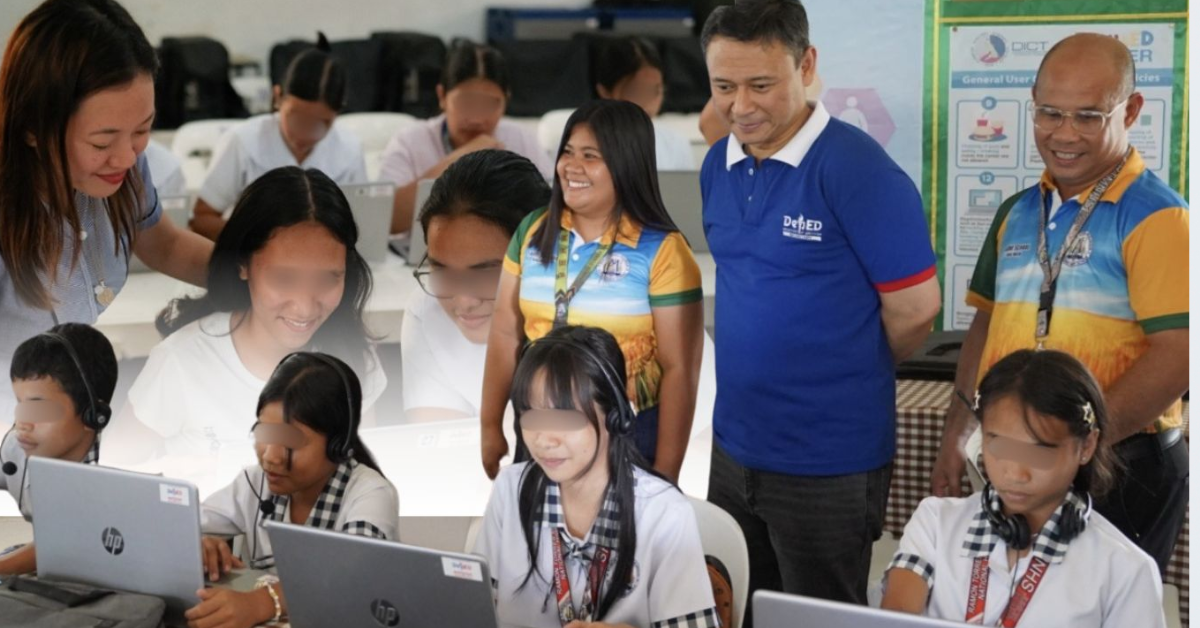
MANILA, Philippines, April 16, 2026 —The Department of Education (DepEd) has announced a P1-billion investment in AI-driven Library Hubs across the Philippines, aimed at boosting literacy and improving reading proficiency among students. The initiative will use artificial intelligence to strategically identify schools most in need of support, ensuring resources are allocated efficiently.
Education Secretary Sonny Angara confirmed that the program will be funded under the 2026 Basic Education Facilities Fund (BEFF). The rollout will be guided by a resource allocation tool developed by the Education Center for AI Research (ECAIR), DepEd’s in-house AI and innovation hub. The system analyzes nationwide education and administrative data to pinpoint schools where literacy interventions are most urgently required.
DepEd explained that the AI tool will ensure the Library Hubs reach learners who need them the most, particularly in underserved communities. “By using an AI tool, we will ensure the program will reach schools and learners who need the library hubs the most,” the agency said in its statement.
The Library Hubs are envisioned as modern learning centers equipped with physical and digital resources, designed to support students struggling with reading comprehension and literacy. They will also serve as community hubs, providing access to books, e-learning materials, and other educational tools.
Secretary Angara emphasized that the initiative reflects DepEd’s push for evidence-based policymaking. “This is central to our mission of ensuring that every peso spent directly addresses the needs of our learners,” he said, highlighting the role of technology in bridging educational gaps.
The announcement comes at a time when literacy challenges remain a pressing issue in Philippine education. Recent assessments have shown that many students continue to struggle with basic reading skills, a problem exacerbated by pandemic-related learning disruptions. By leveraging AI, DepEd aims to maximize the impact of its P1-billion investment, targeting areas where interventions can yield the greatest improvements.
Education experts have welcomed the move, noting that AI-driven targeting could help reduce inefficiencies in resource distribution. However, they also cautioned that the success of the program will depend on proper implementation, teacher training, and sustained funding.
The rollout of the Library Hubs is expected to begin later this year, with priority given to schools identified by the AI system as having the lowest reading proficiency rates. DepEd has assured stakeholders that transparency and accountability will be maintained throughout the process, with regular updates on progress and outcomes.
This landmark initiative positions the Philippines as one of the first countries in Southeast Asia to deploy artificial intelligence at scale for literacy improvement, signaling a new era in education policy and resource management.
Image from DepEd