
‘Palarong Pambekshie’ opens in Manila with city support — Inclusive progress or performative politics?
Robel A. Almoguerra • Ipinost noong 2026-04-19 22:54:20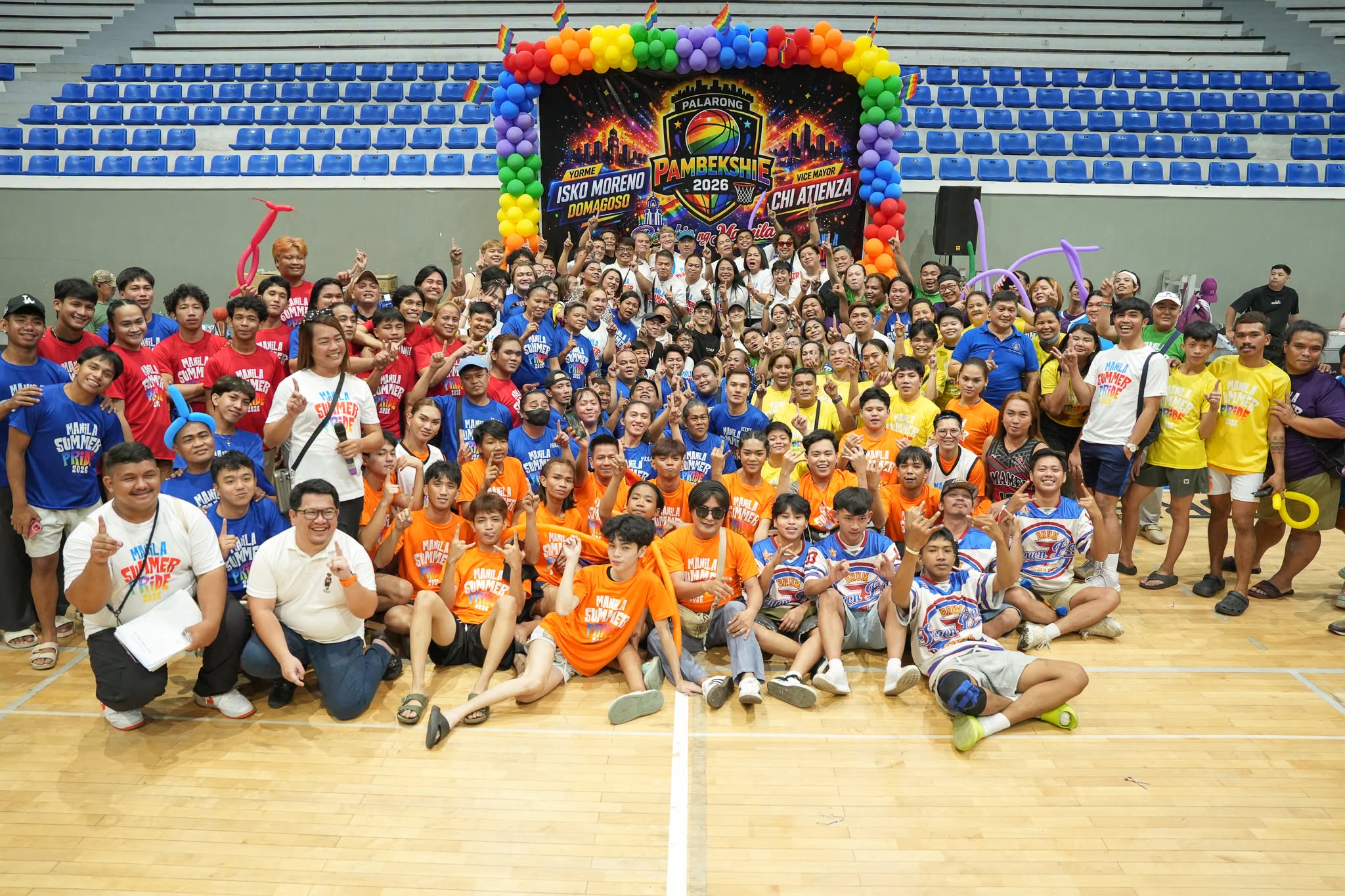
MANILA, Philippines — Color, celebration, and community spirit filled the San Andres Sports Complex as the official opening of Palarong Pambekshie 2026 took place on Saturday, April 18. The event was attended by Francisco “Isko” Moreno Domagoso together with Vice Mayor Chi Atienza, signaling strong local government support for one of the city’s most vibrant community-based sporting celebrations.
Participants from Manila’s six districts joined the games, bringing energy, humor, and competitiveness in an event designed not only for recreation but also for representation. Beyond athletics, the Palarong Pambekshie serves as a platform for LGBTQ+ visibility, self-expression, and solidarity in a public space often shaped by traditional norms.
For many supporters, events like this matter because inclusion is not always built through laws alone. It is also shaped by visibility, celebration, and opportunities for communities to gather without fear of ridicule or exclusion. When city leaders openly support such initiatives, it can send a message that diversity belongs in mainstream civic life.
At the same time, critics may question whether symbolic events are enough. While parades, games, and public endorsements are meaningful, many LGBTQ+ Filipinos still face discrimination in employment, schools, housing, healthcare, and legal protections. Representation can inspire, but it does not automatically resolve structural inequality.
Still, there is value in joy as a form of progress. Communities that have historically been sidelined often find empowerment in spaces where they are not merely tolerated, but celebrated. Public recognition can become the first step toward broader acceptance.
Ultimately, Palarong Pambekshie reflects a larger conversation about what inclusive governance should look like: not only allowing people to exist, but enabling them to participate fully in public life.
When governments celebrate diversity through public events, is that meaningful inclusion—or only the beginning of deeper changes still needed?
(Larawan mula: Christian Turingan, ManilaPIO / Facebook)