
DENR reports “very unhealthy” air — Navotas fire blamed
Margret Dianne Fermin • Ipinost noong 2026-04-20 09:29:38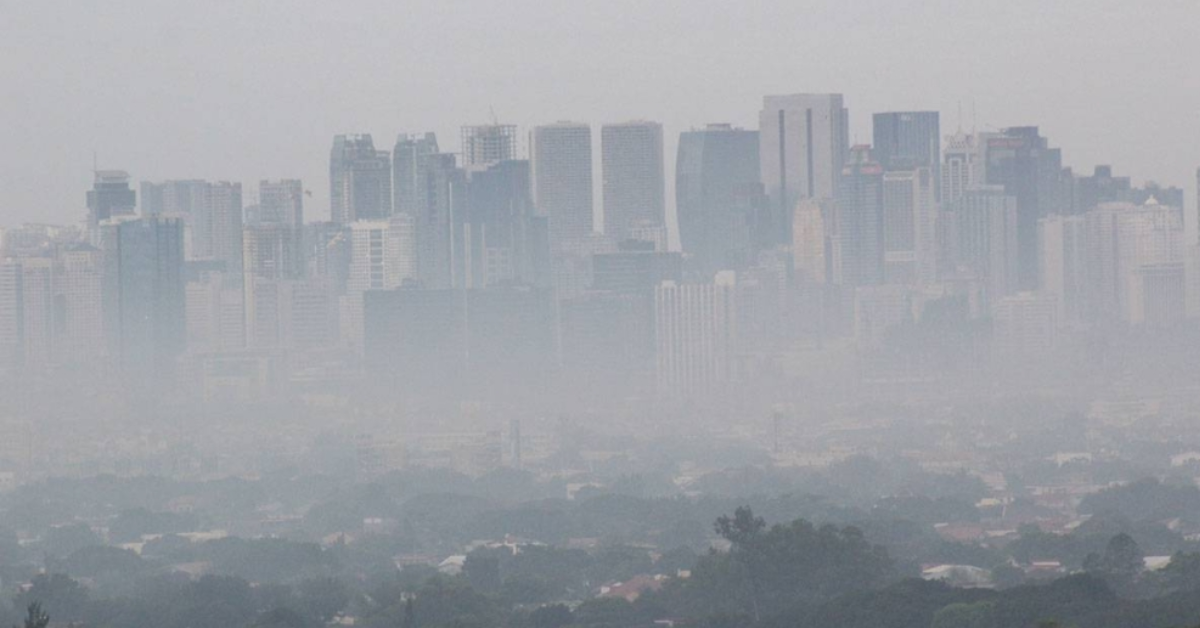
Metro Manila recorded “very unhealthy” air quality levels over the weekend, with smoke from the Navotas landfill fire driving dangerous concentrations of fine particulate matter (PM2.5) across several cities, prompting health warnings from government agencies.
The Department of Environment and Natural Resources (DENR) reported that air quality in Caloocan, Malabon, Marikina, and Quezon City reached “very unhealthy” levels on Sunday afternoon, while Valenzuela and Marikina logged “acutely unhealthy” readings. In Navotas, where the landfill fire has been burning since April 10, air quality was classified as “unhealthy.”
The DENR’s Environmental Management Bureau explained that PM2.5 particles, which measure 2.5 micrometers or smaller, can penetrate deep into the lungs and pose serious health risks. Residents in affected areas were advised to wear masks and limit outdoor exposure.
The Department of Health (DOH) reiterated the warning, with Health Undersecretary Albert Domingo stating, “We want to avoid inhaling PM2.5 as it can lead to respiratory irritation, especially in people with asthma, emphysema, and other respiratory conditions.”
The Ateneo Center for Research and Innovation, which conducted post-incident monitoring, noted that northern Metro Manila bore the heaviest burden, with Valenzuela and Caloocan spending nearly 85 percent of the past week in elevated air quality categories. The report highlighted that air quality briefly improved between April 13 and 16 but deteriorated again by April 18, with several cities recording their worst readings since the fire began.
Local governments have urged residents to stay indoors, seal windows and doors, and use damp cloths to block gaps where smoke could enter. The DOH also recommended wearing N95 or KN95 masks outdoors, or double surgical masks if higher-grade protection is unavailable.
The Navotas landfill fire has become a major environmental and public health crisis, with smoke blanketing large portions of Metro Manila for over a week. Authorities continue to battle the blaze, but experts warn that prolonged exposure to poor air quality could have lasting health consequences, especially for vulnerable populations such as children, the elderly, and those with pre-existing respiratory conditions.