
De Lima insists House hearings on Sara’s suspicious billions exempt from bank secrecy restrictions — so what’s she hiding?
Marijo Farah A. Benitez • Ipinost noong 2026-04-27 09:12:31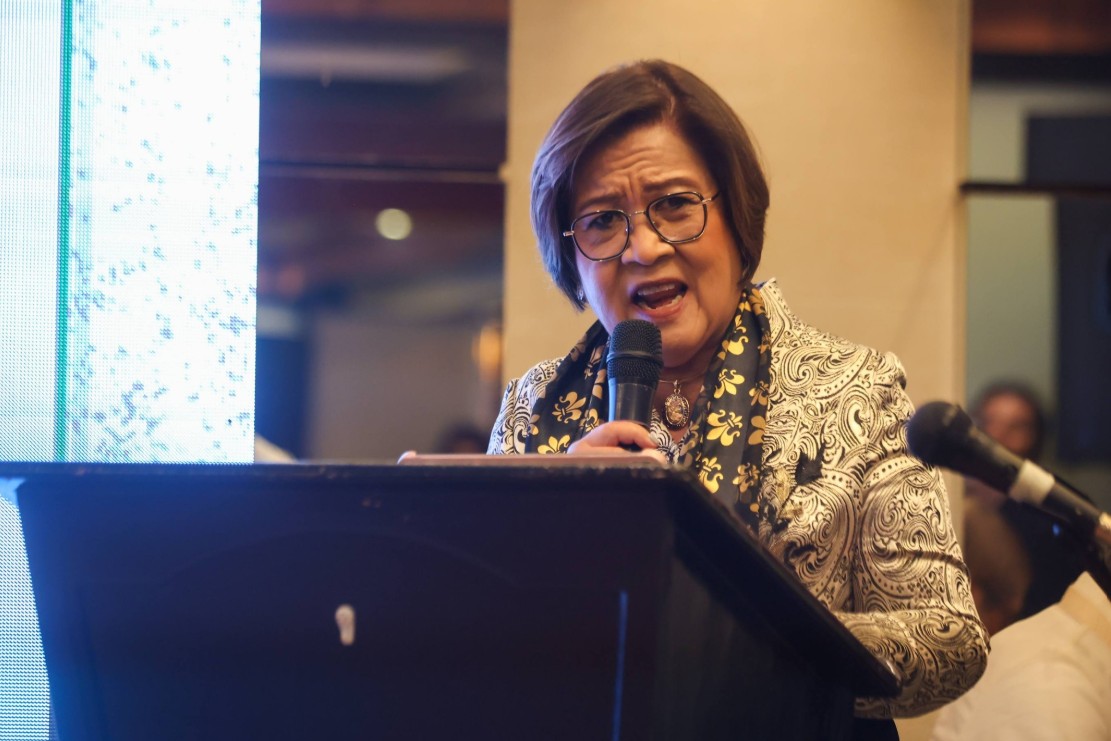
APRIL 27, 2026 — The impeachment storm surrounding Vice President Sara Duterte has now collided head-on with the country’s bank secrecy laws, pitting transparency against privacy. Rep. Leila de Lima insists impeachment proceedings are exempt from secrecy restrictions, while Mans Carpio, Duterte’s husband, is filing criminal complaints against top regulators and lawmakers for allegedly leaking confidential records.
At stake: billions in flagged transactions and the public’s trust in both governance and the financial system.
On one side, Leila de Lima argues that impeachment is a unique accountability mechanism — sui generis — and therefore not bound by the Bank Secrecy Law.
“Cases of impeachment, being sui generis, are not covered by the prohibition under the Secrecy of Bank Deposits Law,” she said, stressing that the House justice committee subpoenaed AMLC reports, not actual bank accounts.
On the other side, Mans Carpio is preparing criminal complaints against BSP Governor Eli Remolona Jr., AMLC Executive Director Ronel Buenaventura, and House members including De Lima, Chel Diokno, and Percival Cendaña. He claims they “connived to illegally disclose and divulge classified confidential banking records” and insists the prohibition under AMLA is “absolute.”
Carpio frames this as not just a defense of his wife but of the entire banking system, warning that leaks erode trust and weaponize financial data for “black propaganda” ahead of the 2028 elections.
Billions under scrutiny
The AMLC confirmed before Congress that ₱6.7 billion worth of suspicious and covered transactions were linked to Duterte and Carpio between 2006 and 2025. These included at least 27 suspicious transaction reports from August 2024 to January 2026, tied to alleged drug trafficking, graft, and malversation.
The numbers are staggering. How does one even explain billions moving in and out of accounts when public officials declare little to no cash in their SALNs?
House human rights chair Bienvenido Abante Jr. challenged Duterte to face the committee on April 29, saying, “Kung wala ka namang itinatago, bakit ka matatakot mag-appear, ‘di ba?”
(If you have nothing to hide, why be afraid to appear?)
He warned this might be her last chance to defend herself before probable cause is decided.
Meanwhile, House public accounts chair Terry Ridon believes probable cause is already clear, citing betrayal of public trust and culpable violation of the Constitution. The committee needs only 21 of 39 members to recommend impeachment, which could then move to the plenary and eventually the Senate for trial.
Transparency vs privacy
De Lima and Diokno argue impeachment is an explicit exception under the Bank Secrecy Law. Carpio counters that Congress itself made confidentiality “absolute.” Both sides claim to defend the public interest, but is this really about protecting democracy, or protecting dynasties?
When billions in suspicious transactions collide with claims of absolute secrecy, should we side with transparency in governance — or privacy in finance?
(Image: Leila de Lima | Facebook)