
ChatGPT caricature challenge goes viral — fun trend, real privacy risks?
Margret Dianne Fermin • Ipinost noong 2026-02-10 10:22:44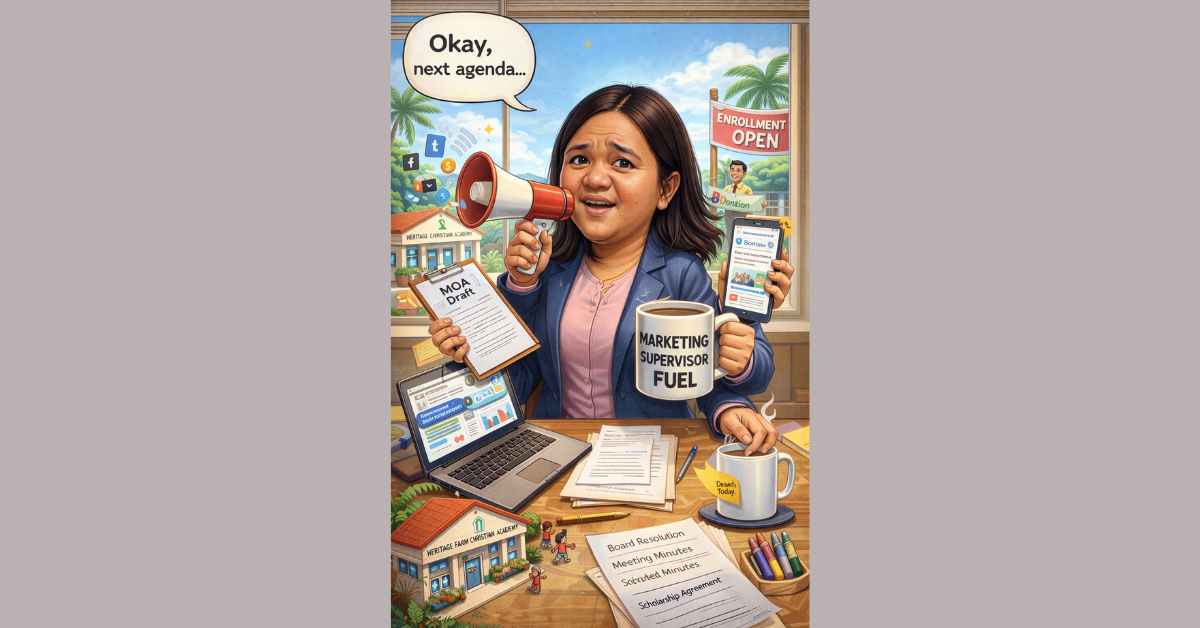
NEW YORK, Feb. 10, 2026 — A viral social media trend known as the “ChatGPT caricature challenge” is drawing millions of participants worldwide, but experts are warning that it comes with serious privacy risks.
The trend, which exploded in early February, encourages users to feed ChatGPT personal details — such as hobbies, job titles, family information, and lifestyle quirks — to generate exaggerated caricatures that can then be shared online.
While the activity has been celebrated for its creativity and humor, cybersecurity analysts caution that it may expose sensitive personal data. According to a report by IOL, “Participating in the ChatGPT caricature trend may pose privacy risks as it involves sharing personal information with an AI app that builds user profiles, potentially compromising trust and data security.”
Technology site Technobezz noted that the caricatures demonstrate “how much personal information accumulates in chat histories and raises privacy questions about AI data collection.” This revelation has sparked debate about how much data users are willing to disclose for entertainment, and whether platforms should be more transparent about how such information is stored and used.
Security Enterprise Cloud Magazine explained how the trend works: users provide ChatGPT with prompts like “I’m a data-science wizard who loves coffee,” and the AI translates those details into visual cues — such as a lab coat, coffee mug, or code snippets — which are then turned into cartoon-style portraits. While fun and engaging, the process “raises immediate questions about how much personal data you’re comfortable handing over to an AI model.”
Privacy Erodes One Fun Prompt at a Time
Trends like the ChatGPT caricature challenge feel harmless because they are framed as play. Yet every “fun” detail shared adds another layer to a digital profile that can outlast the joke and travel far beyond the user’s control.
The risk is not a single prompt but accumulation. Hobbies, work roles, family references, and daily routines can be pieced together into identity maps, creating vulnerabilities users never intended to reveal. The burden of caution is quietly shifted onto individuals, while platforms benefit from engagement.
If privacy disappears through small voluntary disclosures, how much of it will be left once entertainment becomes the easiest way to surrender it?