
NASA reveals V838 Monocerotis’ spectacular light show — What can this distant star teach us about stellar life cycles?
Robel A. Almoguerra • Ipinost noong 2026-02-09 23:41:29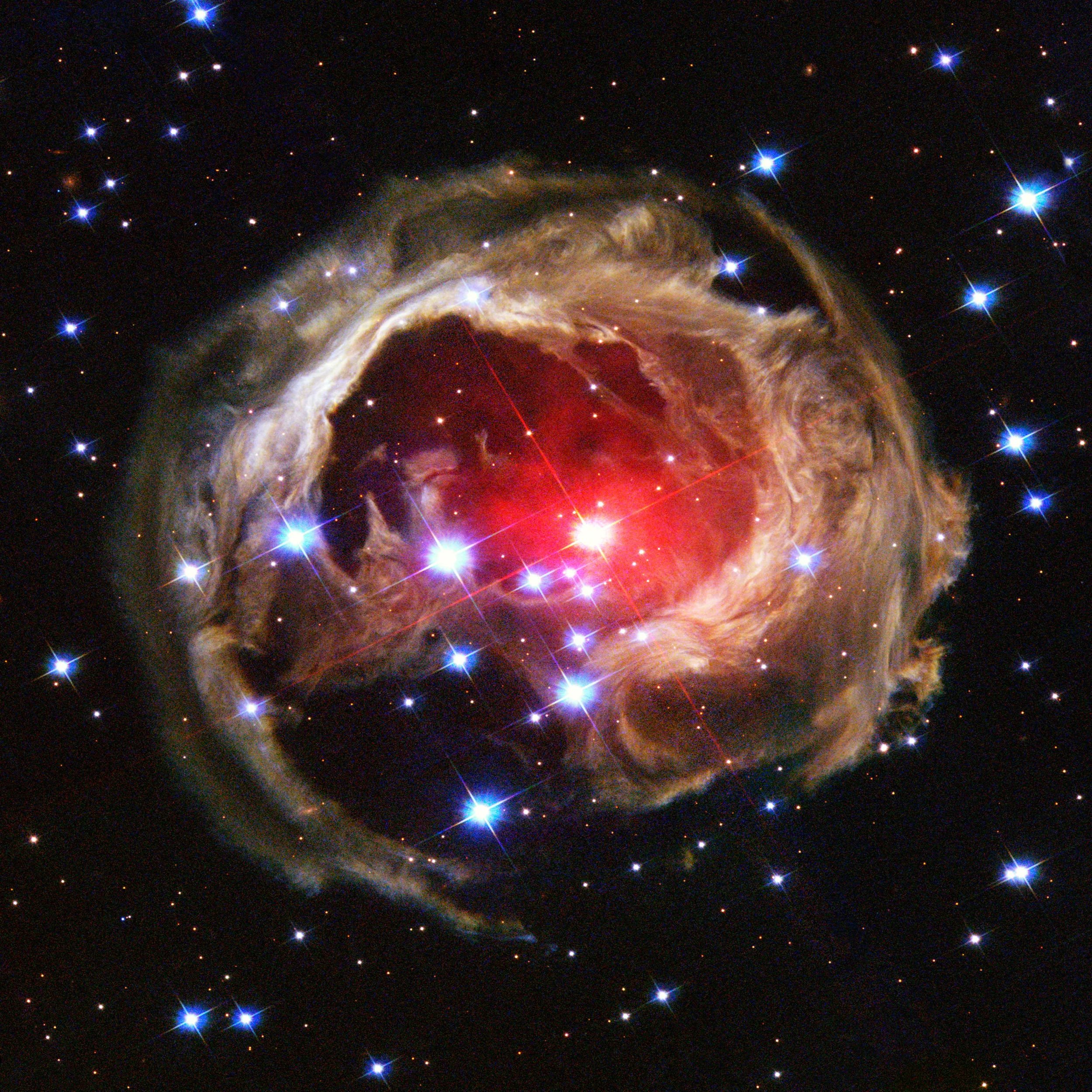
FEBRUARY 9, 2026 — In an awe-inspiring revelation, NASA shared images of a rare cosmic event involving the star V838 Monocerotis, located approximately 20,000 light-years from Earth. Though initially considered a “dull” star, V838 Monocerotis dramatically brightened in 2002, producing a stunning outburst of light that has since captivated astronomers and space enthusiasts alike.
NASA highlighted that the eruption, captured years ago but still generating insights today, offers a unique opportunity to understand how stars evolve over time. The unusual light patterns, described as a “light echo,” occur when stellar light reflects off surrounding dust, creating a spectacular three-dimensional display that illuminates the star’s environment.
“This star may have appeared ordinary, but its extraordinary display is helping scientists unlock the mysteries of how stars change and interact with their surroundings,” NASA stated on its Instagram post.
Astronomers believe that studying such rare stellar outbursts could provide key information about the late stages of star life, including the processes that lead to supernovae or the formation of planetary nebulae. V838 Monocerotis serves as a reminder that the universe is full of surprises, and even the quietest stars can hold extraordinary secrets.
This cosmic spectacle also raises broader questions: How much do we truly understand about the life and death of stars? Could these rare stellar events challenge our existing models of astronomy and the universe’s evolution?
As scientists continue to monitor V838 Monocerotis, one thing is clear—the cosmos still has countless mysteries waiting to be uncovered. (Larawan mula sa: NASA)