
Cyclone Gezani devastates Tamatave, Madagascar
Robel A. Almoguerra • Ipinost noong 2026-02-12 23:33:13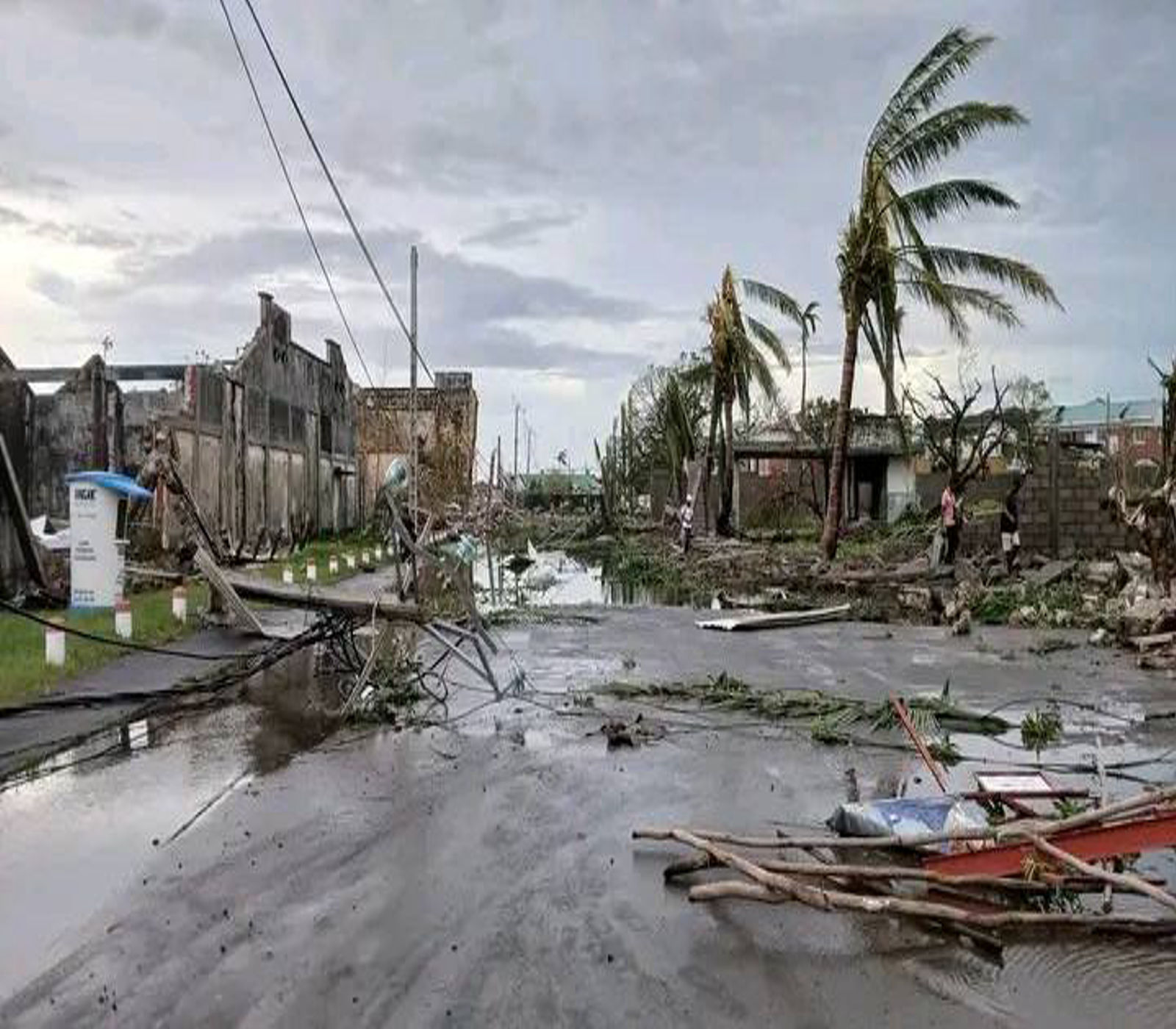
TAMATAVE, Madagascar — Cyclone Gezani left a trail of destruction in Tamatave, Madagascar when it made landfall in the early hours of February 11, 2026. According to meteorological reports, the storm struck with winds reaching 205 km/h, uprooting trees, damaging homes, and flooding streets in the coastal city.
Tragically, authorities have confirmed 31 fatalities, with 4 individuals still missing and 36 injured. The cyclone’s sudden arrival caught many residents off guard, compounding the impact on vulnerable communities. Rescue and clearing operations are currently underway across affected towns, as local and national authorities coordinate relief efforts.
Photographs circulating online show collapsed structures, uprooted trees, and streets turned into rivers, highlighting the cyclone’s destructive force. Emergency shelters have been set up, but the scale of damage suggests that immediate humanitarian assistance will be needed for weeks, if not months.
Cyclone Gezani underscores the increasing vulnerability of island nations like Madagascar to extreme weather events. Climate experts have long warned that rising ocean temperatures and shifting weather patterns intensify tropical cyclones, making them stronger and more unpredictable. For communities dependent on fragile infrastructure and limited emergency resources, such storms can devastate lives and livelihoods in mere hours.
The situation also raises broader questions about preparedness, early warning systems, and long-term resilience. How can cities like Tamatave better protect themselves against recurring cyclones? And as climate change continues to escalate, what global responsibilities exist to support vulnerable nations in adapting to these threats? As Madagascar begins the long process of recovery, the world watches and reflects: Will lessons from Cyclone Gezani prompt stronger local and international action, or will communities remain perilously exposed to nature’s fury? (Larawan mula: Peter N. Bouckaert / Facebook)