
Prince Andrew arrested on misconduct suspicion on his 66th birthday — Royal accountability or delayed justice?
Margret Dianne Fermin • Ipinost noong 2026-02-19 19:00:20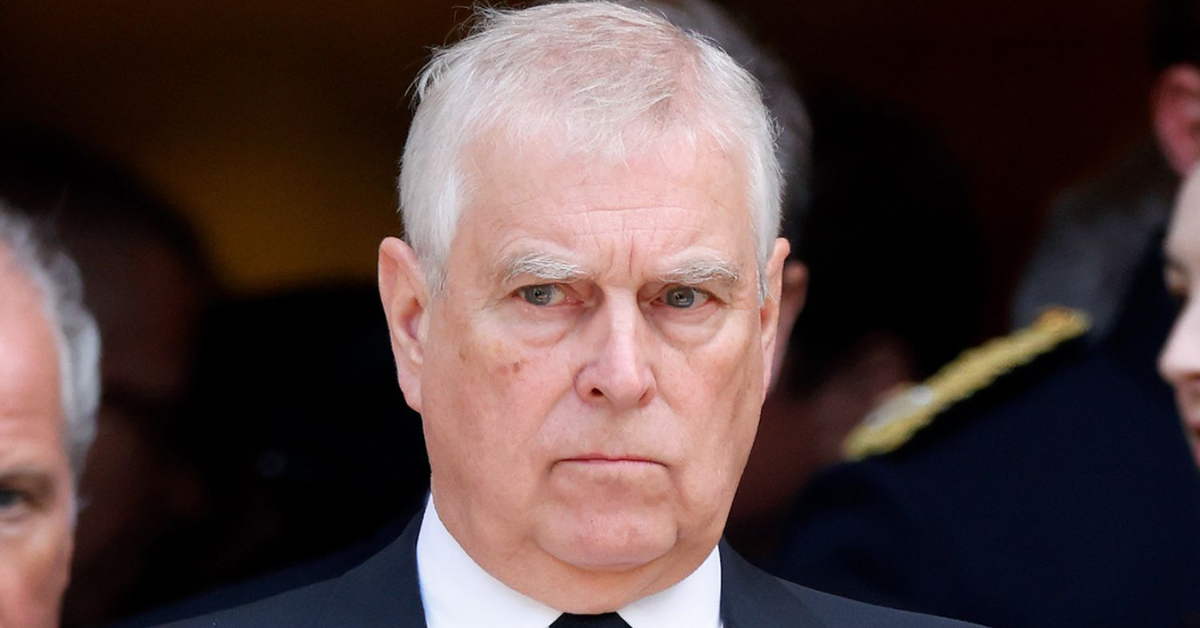
LONDON — Britain’s former Prince Andrew, now known as Andrew Mountbatten-Windsor, was arrested on Thursday, February 19, 2026, on suspicion of misconduct in public office. The arrest was carried out by Thames Valley Police at his residence in Norfolk, coinciding with his 66th birthday.
Police confirmed in a statement that “as part of the investigation, we have today arrested a man in his sixties from Norfolk on suspicion of misconduct in public office.” While the statement did not name him directly, multiple outlets including the BBC and AFP identified the man as Andrew Mountbatten-Windsor, the younger brother of King Charles III.
The arrest follows renewed scrutiny of Andrew’s past role as a UK trade envoy, after files released by the U.S. Department of Justice earlier this month reignited controversy over his ties to the late convicted sex offender Jeffrey Epstein. Anti-monarchy groups had called for accountability, citing documents that allegedly revealed inappropriate conduct linked to his official duties.
British media reported that police officers arrived at Wood Farm on the Sandringham estate in unmarked vehicles before taking Andrew into custody. Searches were also conducted at addresses in Berkshire and Norfolk as part of the investigation.
Andrew has faced years of public backlash over his association with Epstein, which led to his withdrawal from royal duties in 2019. His arrest marks the most serious legal action taken against him to date. The case is expected to test the monarchy’s resilience amid ongoing debates about accountability and transparency within the royal family.
As of press time, Andrew has not issued a public statement. The investigation remains ongoing, with Thames Valley Police coordinating with other agencies to determine the extent of the alleged misconduct.
This development is likely to intensify scrutiny of the royal family and could have significant implications for public trust in the institution.
Image from People.com