
Trump slaps the world with 15% tariffs — what’s the real cost for Filipinos in his trade war?
Marijo Farah A. Benitez • Ipinost noong 2026-02-22 13:20:49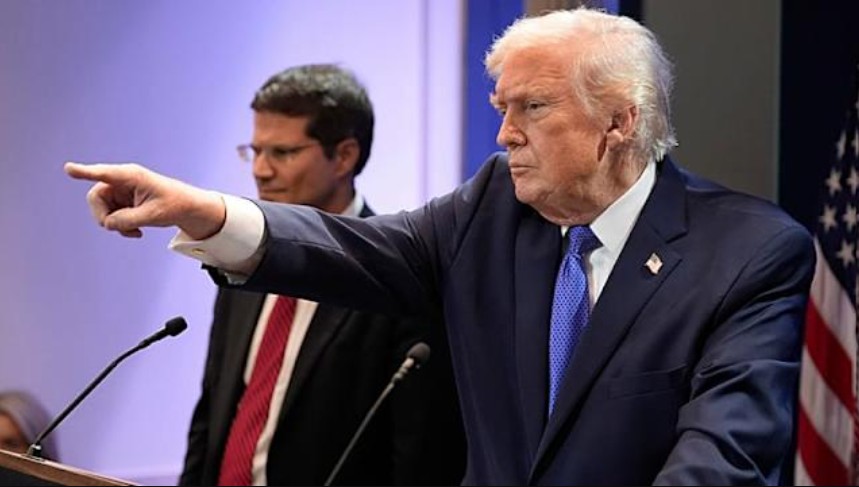
FEBRUARY 22, 2026 — President Donald Trump has once again shaken the global trade table — this time by raising the U.S. global tariff rate from 10% to 15%. He announced the move after the U.S. Supreme Court struck down his earlier “reciprocal” tariff program, leaving him scrambling for a legally permissible workaround.
In his own words: “I, as President of the United States of America, will be, effective immediately, raising the 10% Worldwide Tariff on Countries, many of which have been ‘ripping’ the U.S. off for decades, without retribution (until I came along!), to the fully allowed, and legally tested, 15% level.”
Now, let’s talk about what this means for us here in the Philippines. We’re not just passive spectators in this trade drama. Our economy is tightly linked to U.S. demand — electronics, garments, processed food, and even agricultural exports rely heavily on American buyers. Economists have already warned that Trump’s protectionist stance could hit Philippine exporters hard, especially if global demand slows down.
In fact, we’ve already felt the sting. Just last year, Trump slapped a 20% tariff on Philippine exports, up from 17%, targeting goods like electronics and agricultural products. That move rattled local businesses and forced many to rethink their dependence on the U.S. market.
So here’s the bigger picture: while some argue that tariffs could open short-term opportunities for Philippine suppliers (as U.S. buyers look for alternatives to Chinese goods), the reality is more sobering. If American consumers tighten their wallets because of higher import costs, demand for our products could nosedive. And let’s be honest — how many local exporters are ready to compete under a “Buy American” wave?
This raises uncomfortable questions for us. Are we too dependent on the U.S. market? Should the Philippines finally double down on building stronger local industries instead of waiting for Washington’s next mood swing?
And what about our government? Will it take proactive steps to shield local businesses, or will we just brace for impact every time Trump tweets a tariff hike?
Filipinos know how global shocks trickle down to everyday life. Higher tariffs mean higher costs, slower exports, and eventually, fewer jobs. It’s not just about trade policy — it’s about the price of electronics in Greenhills, the competitiveness of garments from Taytay, and the livelihood of farmers in Mindanao.
The question now is, will we continue to pay the price for America’s trade wars, or will we finally chart our own path to economic resilience?
(Image: Yahoo Finance)