
Filipina OFW killed in Israel airstrike — How should the world protect migrant workers in conflict zones?
Robel A. Almoguerra • Ipinost noong 2026-03-02 00:10:11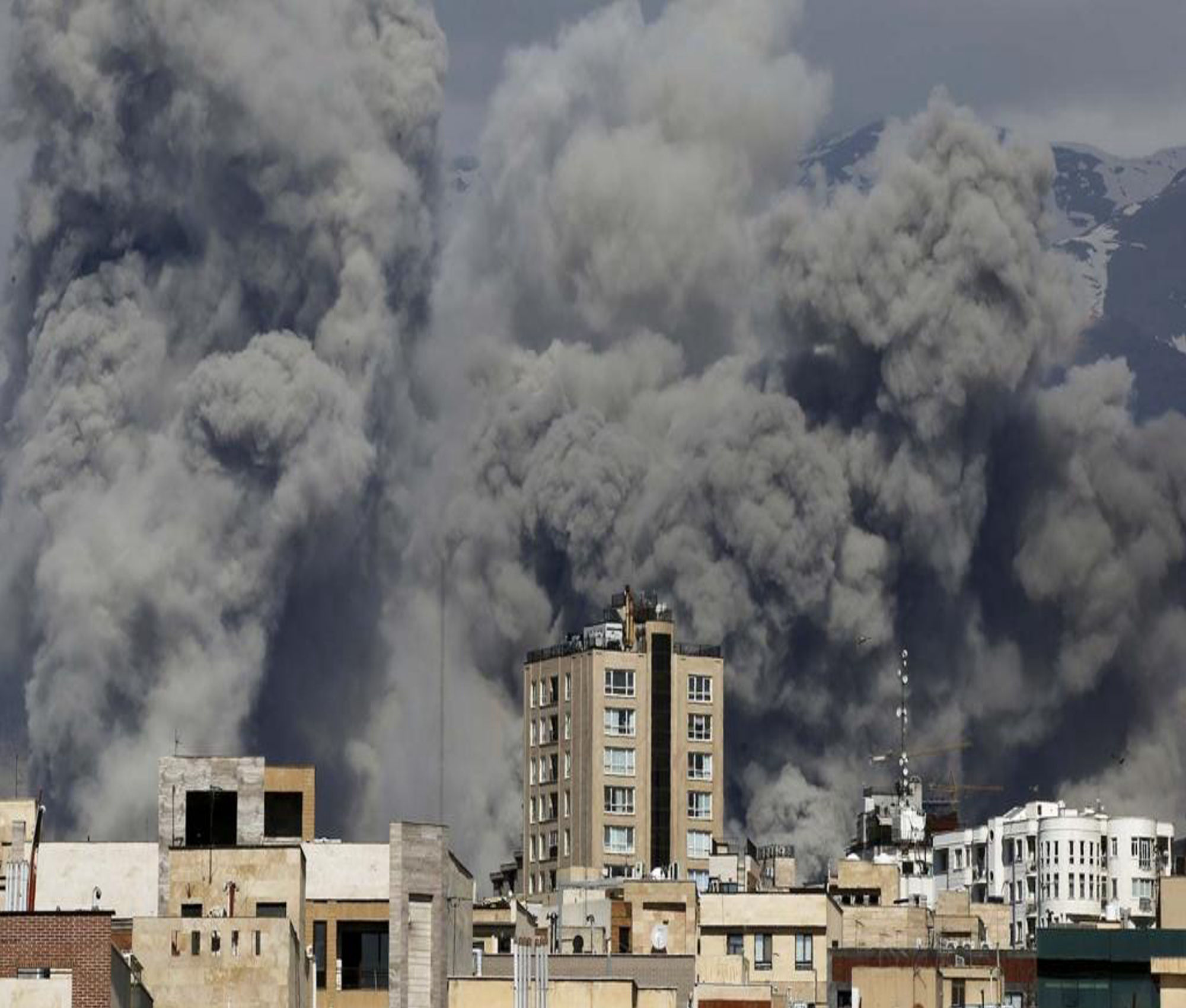
ISRAEL — A heartbreaking development has emerged from the escalating conflict in the Middle East: a Filipina overseas worker was confirmed killed during an airstrike in Israel, President Ferdinand Marcos Jr. announced on March 1, 2026.
According to Marcos, the victim—identified as Mary Anne Velasquez Rivera, a caregiver from Pangasinan—was assisting her elderly ward toward a bomb shelter when the attack occurred and was struck by shrapnel before they could reach safety. She was identified by her husband, who is also an OFW based in Israel.
The Philippine government has pledged to provide full assistance to Rivera’s family, including support for funeral and repatriation arrangements, consistent with President Marcos’s directive to ensure the welfare of Filipinos abroad.
This tragic loss comes amid an intensification of hostilities between the United States and Israel on one side and Iran on the other. The Philippine Department of Migrant Workers has urged OFWs in Israel and neighboring countries to adhere strictly to safety advisories and remain in designated shelters while the situation evolves.
The dangers faced by migrant workers in regions of conflict pose unique challenges for governments and international bodies alike. Many OFWs choose to work in high-risk areas for economic reasons—to support their families and communities back home—but in doing so, they may find themselves caught in circumstances far beyond their control.
Rivera’s death is a stark reminder of the human cost of geopolitical tensions and the vulnerabilities of civilians far from home. Her story echoes those of countless migrant workers who strive to provide, yet end up bearing the brunt of global instability. As countries navigate diplomatic relations and military strategy, a pressing question arises: In a world marked by expanding conflicts, how can governments better safeguard the lives of their citizens working in danger zones abroad?
(Larawan mula sa: BBC)