
Trump threatens stronger bombing campaign against Iran — Is escalation pushing the Middle East toward a wider war?
Robel A. Almoguerra • Ipinost noong 2026-03-07 23:44:40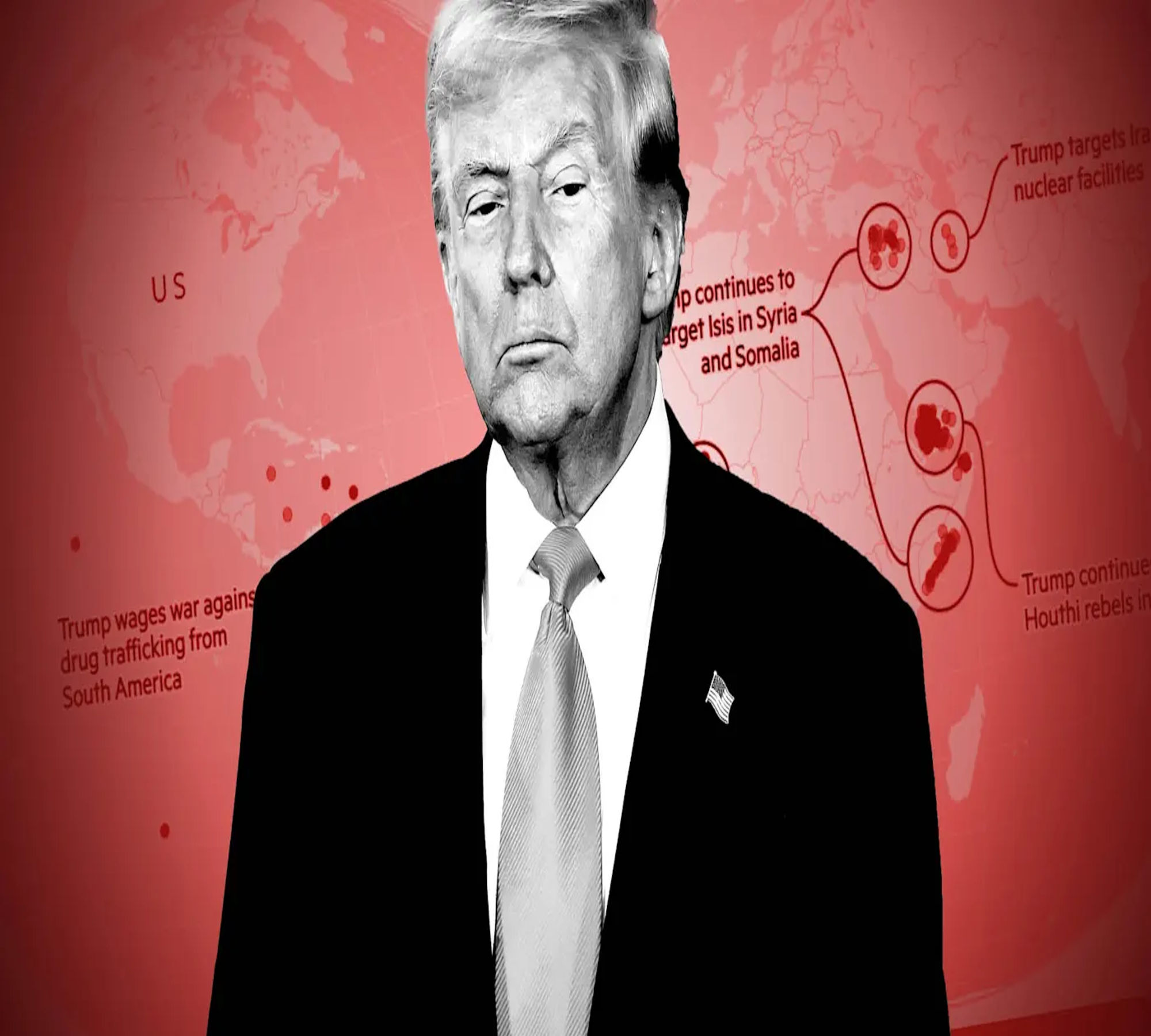
MARCH 7, 2026 — Tensions in the Middle East have intensified after Donald J. Trump issued a fiery statement on social media warning of stronger military action against Iran.
In a post shared on his official account on Twitter, the U.S. president declared that American forces are already “bombing Iran to hell,” claiming the country would no longer act as what he described as a regional aggressor but would instead become the “loser of the Middle East.” He further warned that military operations could intensify unless Iran surrenders or collapses under pressure.
Trump also justified the potential escalation by accusing Iran of having what he described as “bad behavior,” suggesting that stronger military strikes could follow. The statement, however, has sparked alarm among analysts and observers who fear that such rhetoric could push an already fragile region closer to a wider conflict.
The Middle East has long been a center of geopolitical tension involving rival powers, ideological divisions, and complex alliances. Any escalation between the United States and Iran carries global implications—from oil markets and international security to the humanitarian consequences that inevitably accompany armed conflict.
Critics argue that language suggesting total destruction or surrender risks inflaming tensions rather than opening paths to diplomacy. Military threats may project strength to domestic supporters, but they can also harden positions on the other side, making peaceful negotiations increasingly difficult.
Supporters of a tougher approach, however, say strong deterrence is necessary when dealing with governments perceived as hostile or destabilizing. They argue that decisive action may prevent further aggression or threats to allies in the region.
Yet history has repeatedly shown that conflicts in the Middle East rarely remain contained. Military escalation can trigger retaliation, involve regional allies, and pull other global powers into the situation.
Beyond the immediate political messaging, the larger question remains about the human cost. When powerful nations exchange threats of intensified bombing, civilians often become the ones who suffer the most.
In moments like these, the world is reminded that words from national leaders can shape events far beyond a single social media post.
If global leaders escalate conflicts through public threats and military pressure, does it strengthen security—or bring the world closer to another devastating war?
(Larawan mula sa: Financial Times)