
Tehran blanketed in thick smoke after airstrikes — Could environmental fallout become the hidden cost of war?
Robel A. Almoguerra • Ipinost noong 2026-03-08 22:19:06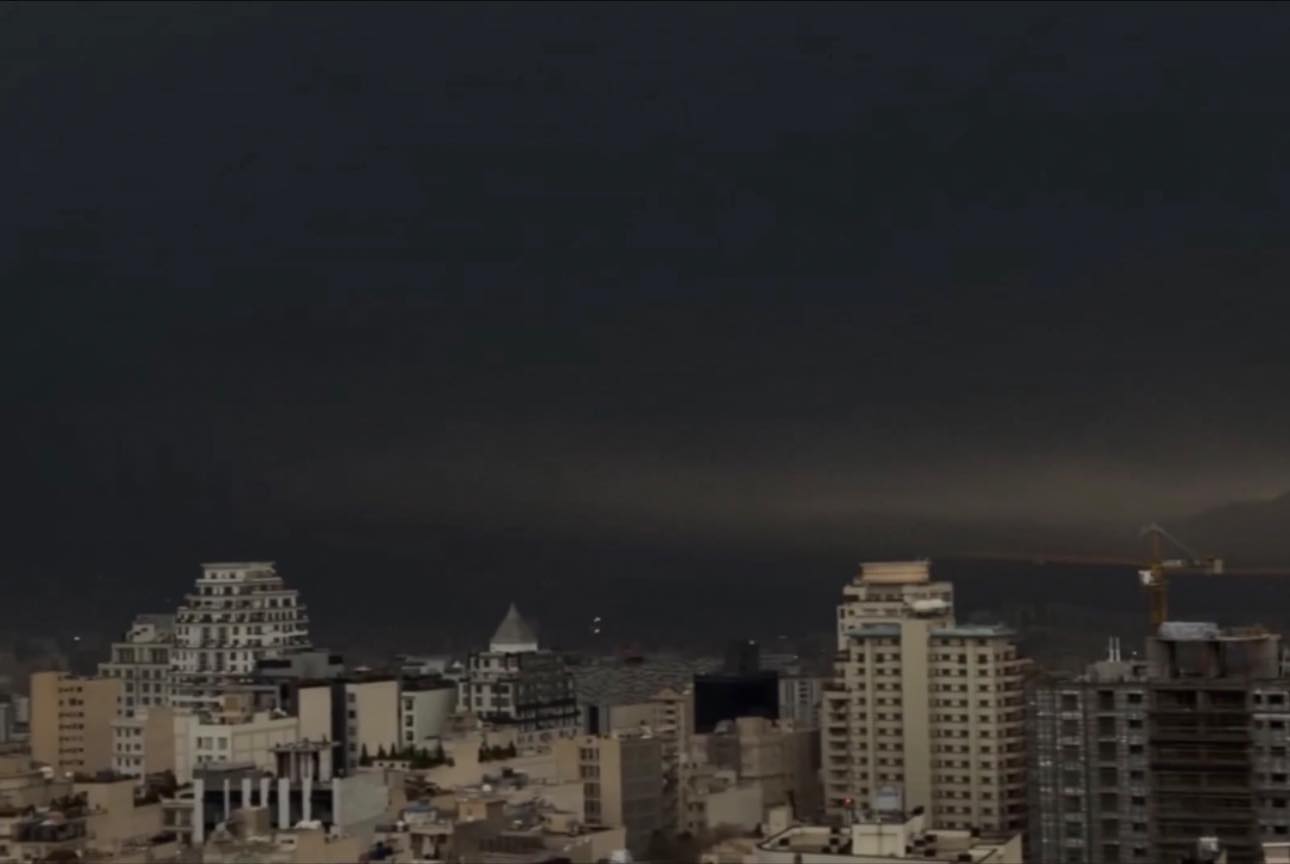
TEHRAN, Iran — Residents of Tehran have been advised to remain indoors after thick smoke and reports of potentially toxic rainfall followed airstrikes that reportedly struck oil refining facilities in the Iranian capital.
According to the Iranian Red Crescent Society, fires involving petroleum infrastructure can release large quantities of hazardous chemicals into the atmosphere. When these pollutants combine with moisture in the air, they may produce what is commonly known as acid rain—precipitation containing compounds such as sulfur dioxide and nitrogen oxides that can irritate the skin, eyes, and respiratory system.
Local authorities warned that the situation could pose health risks to residents if exposure to contaminated rain or smoke occurs. Because of this, people living in affected districts have been advised to stay inside their homes until conditions improve.
The environmental concerns emerged after reported airstrikes targeted several oil depots and refinery-related sites within the city. Such facilities contain highly flammable materials, and when damaged during attacks, they can release massive plumes of smoke and toxic byproducts into the air.
Beyond the immediate destruction caused by bombing, environmental experts often warn that attacks on industrial or energy infrastructure can create secondary dangers for civilian populations. Toxic emissions, polluted water sources, and lingering air contamination may persist long after the explosions themselves have ended.
In densely populated cities like Tehran, the consequences can quickly extend beyond military targets to affect millions of ordinary residents. Exposure to polluted air and chemically contaminated rainfall could potentially worsen respiratory illnesses and other health problems, particularly among vulnerable groups such as children and the elderly.
Conflicts involving industrial zones also raise a broader concern about the environmental dimension of warfare. While the immediate objective of such strikes may be strategic or military, the collateral impact on ecosystems and civilian health can be profound and long-lasting.
The situation in Tehran therefore illustrates how modern warfare often produces consequences that go far beyond the battlefield.
If military strikes on industrial infrastructure can expose entire cities to toxic environmental hazards, should environmental safety become a greater consideration in the rules and ethics of modern warfare?
(Larawan mula: Visegrad24 / X)