
Iran reopens Strait of Hormuz — Except for U.S. and Israeli vessels?
Robel A. Almoguerra • Ipinost noong 2026-03-15 21:55:14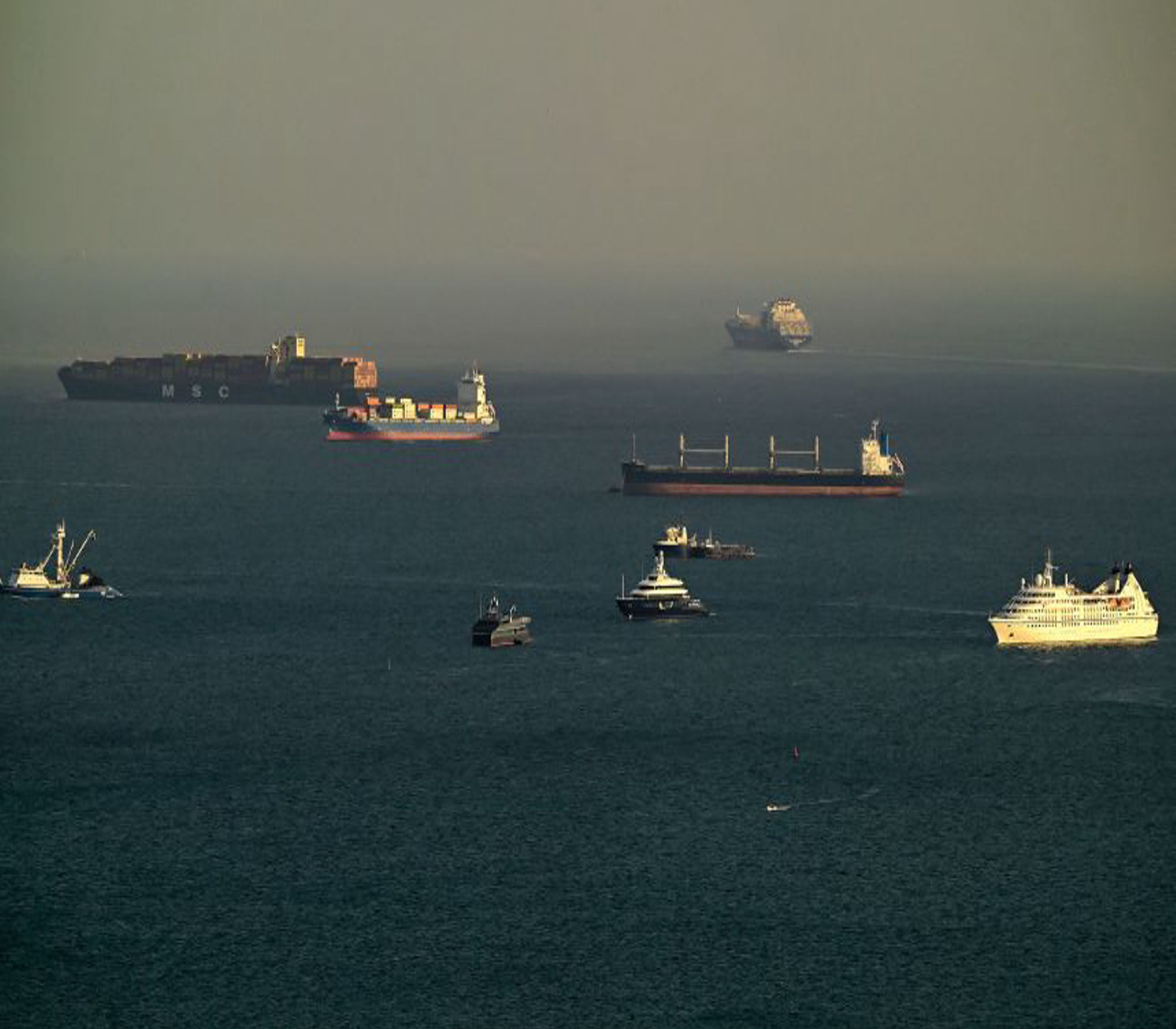
IRAN — Iran has announced that the strategically critical Strait of Hormuz is once again open to international shipping—but with a major exception. According to Iranian Foreign Minister Abbas Araghchi, vessels linked to the United States, Israel, and their allied nations will not be permitted to pass through the vital waterway.
The narrow passage between Iran and Oman is one of the most important maritime routes in the world, handling roughly 20% of global oil exports. When Iran closed the strait two weeks ago amid escalating regional tensions, global shipping experienced significant disruptions, sending shockwaves through energy markets and raising fears of a prolonged supply crisis.
Iran’s foreign minister explained that while the waterway is technically open again, the policy distinguishes between what Tehran considers “friendly” and “hostile” nations.
“The strait is open for our friends; it is closed for our enemies,” Araghchi said.
During the closure, international shipping was heavily affected. Major logistics companies such as Maersk temporarily halted operations in the region. Energy exporters including Saudi Arabia and Kuwait reportedly reduced production because they could not transport oil shipments through the strait. Qatar also faced disruptions to its natural gas exports.
Meanwhile, reports suggested that Iranian oil exports continued to move, including shipments to China using older tanker vessels that are harder to track through conventional monitoring systems.
Although the partial reopening may ease some pressure on global shipping lanes, uncertainty remains about how Iran intends to enforce restrictions on vessels linked to U.S. allies. Maritime analysts say the policy could create complex situations at sea, especially when ships operate under multinational ownership or mixed cargo arrangements.
Oil prices have already surged to around $100 per barrel this week, reflecting the market’s sensitivity to developments in the strait. Even with the reopening, continued restrictions on certain vessels could sustain volatility in global energy markets.
As geopolitical tensions continue to shape access to one of the world’s most vital energy corridors, the global community now faces a pressing question: Will the partial reopening of the Strait of Hormuz restore stability—or deepen divisions in the international energy system?
(Larawan mula sa: CNN)