
Trump hits pause on Iran strikes as ‘talks go well’ … but missiles keep pounding cities
Marijo Farah A. Benitez • Ipinost noong 2026-03-27 15:53:25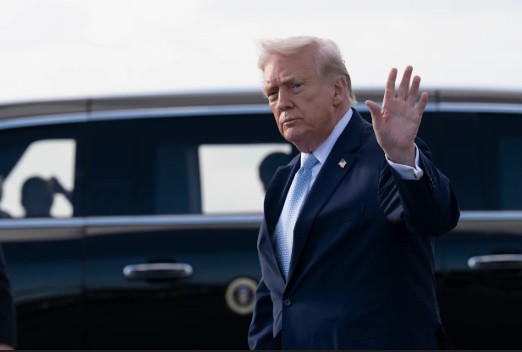
MARCH 27, 2026 — President Donald Trump’s sudden announcement of a 10‑day pause on U.S. strikes against Iran’s energy plants has sent ripples across the globe. He insists talks are “going very well,” but Tehran is already dismissing Washington’s proposal as “one‑sided and unfair.” For us watching from afar, the question is not just about geopolitics — it’s about how this war, raging since late February, is already reshaping our daily lives.
Let’s start with the basics: the war has killed thousands, spread into neighboring nations, and sent oil prices soaring by around 40%. Liquefied natural gas shipments to Asia have spiked by two‑thirds, and fertilizer prices — critical for agriculture — are up by 50%. It’s a direct hit on our wallets and our dinner tables.
Trump’s pause, set until April 6, 2026, looks less like a peace gesture and more like a tactical maneuver. He told Fox News that Iran had asked for a seven‑day pause, yet mediators cited by the Wall Street Journal say Tehran never requested a 10‑day halt.
Confusion reigns, and in the meantime, missiles continue to fly. Iran has struck Tel Aviv, Haifa, and even Palestinian towns inside Israel. Hezbollah rockets have killed civilians. U.S. bases and Gulf states are under fire. And yes, Washington has now confirmed deploying uncrewed drone speedboats — science fiction turned battlefield reality.
Trump floated the idea of “taking control of Iran’s oil” and suggested Iran should allow 10 tankers through the Strait of Hormuz as a goodwill gesture. That strait is the choke point of global energy supply. If Iran keeps it blocked, the world economy bleeds. If the U.S. tries to seize control, the war escalates. Either way, Filipinos will feel the fallout in skyrocketing pump prices and inflation that no wage hike can keep up with.
Diplomacy is supposedly alive, with Pakistan relaying a 15‑point U.S. proposal to Tehran. But Iranian officials say the plan only serves U.S. and Israeli interests. They want guarantees against future military action, compensation for losses, and formal control of the strait. They also insist Lebanon must be part of any ceasefire deal. In short: they’re not backing down.
Trump’s envoy Steve Witkoff confirmed the U.S. demands include dismantling Iran’s nuclear program and curbing its missiles.
So where does this leave us? In the Philippines, we’ve seen how global conflicts trickle down into local crises. Every spike in oil prices means transport groups threatening strikes, farmers struggling with fertilizer costs, and households cutting back on essentials.
The war in the Middle East may feel distant, but its economic shockwaves are already here. And if Trump’s “pause” is just a bluff, we could be staring at even harsher realities in the coming weeks.
We are no strangers to resilience. We’ve weathered economic crises, political upheavals, and pandemics. But resilience should not be mistaken for immunity. If this war drags on, our economy will feel the squeeze even harder. The jeepney driver, the sari‑sari store owner, the rice farmer — they will all carry the burden of decisions made in Washington and Tehran.
Trump says the U.S. will become Iran’s “worst nightmare” if it doesn’t comply. Iran says it won’t bow to “one‑sided” demands. The pause may buy time, but it doesn’t buy peace. And for us in the Philippines, the bigger question is whether our leaders are ready to shield us from the economic storm this war is unleashing.
(Image: Yahoo)