
Iran’s Pezeshkian calls for ceasefire in talks with India’s Modi
Margret Dianne Fermin • Ipinost noong 2026-03-22 09:42:55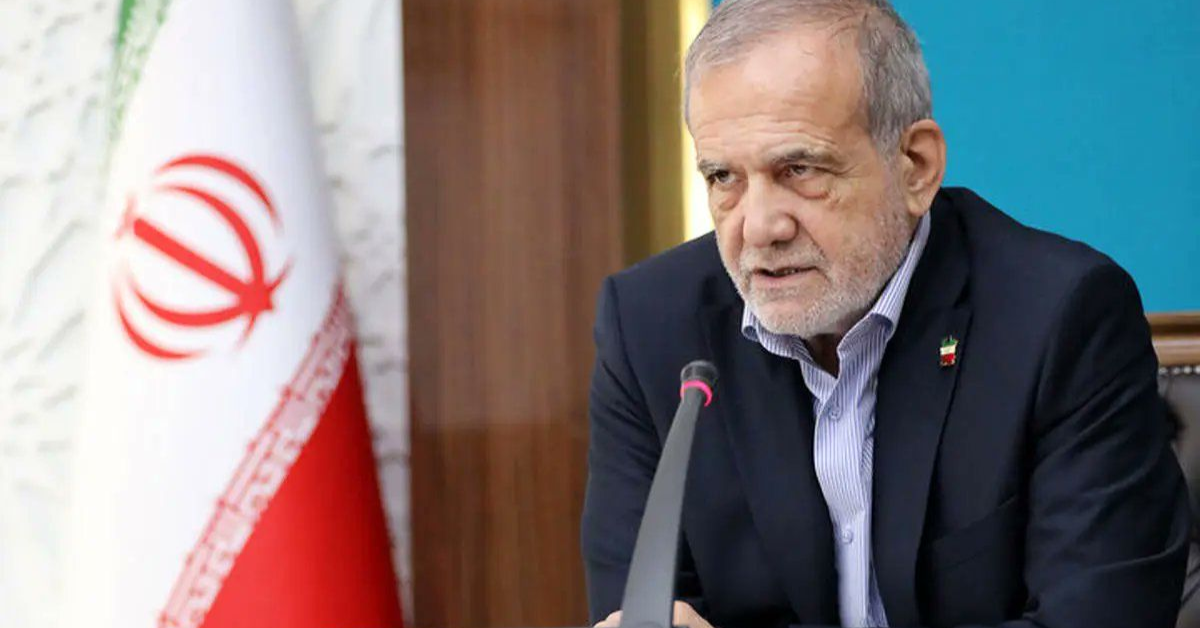
Iranian President Masoud Pezeshkian has declared that an “immediate cessation” of US-Israeli aggression is necessary to end the ongoing war, calling on the BRICS bloc to play an independent role in halting hostilities. He made the statement during a phone call with Indian Prime Minister Narendra Modi on March 21, 2026, as the conflict continues to escalate across West Asia.
According to Iran’s embassy in India, Pezeshkian stressed that the war could only be stopped if Washington and Tel Aviv ceased their military operations against Iran. He emphasized that guarantees must be put in place to prevent future acts of aggression, framing the demand as essential for regional stability.
During the conversation, Pezeshkian proposed the creation of a West Asia security framework led by regional countries, with BRICS serving as a mediator. He urged India, as the current BRICS chair, to take a more active role in facilitating dialogue and de-escalation. “There needs to be an immediate cessation of US-Israeli aggression to end the war and wider regional conflict,” Pezeshkian said, according to reports.
The Iranian president also revealed that Israel had attempted to assassinate him during the 12-day war, underscoring the severity of the conflict. His remarks come after Iran launched long-range ballistic missiles at Israel for the first time, striking near the Dimona nuclear facility and killing civilians.
India’s role in the conversation is significant, as New Delhi has maintained ties with both Washington and Tehran while positioning itself as a neutral actor in global conflicts. Analysts suggest that Pezeshkian’s outreach to Modi reflects Iran’s attempt to leverage BRICS as a counterbalance to Western influence in the Middle East.
The call highlights the growing international dimension of the war, which began after US-Israeli strikes killed Iran’s Supreme Leader Ali Khamenei in late February. Since then, Iran has retaliated with missile attacks across the region, while the US has claimed to have destroyed much of Iran’s naval capacity.
Global reactions remain tense. The United Nations has urged restraint, while oil markets continue to surge amid fears of supply disruptions. With Iran demanding an end to US-Israeli aggression and Israel vowing further retaliation, the conflict risks spiraling into a broader regional war unless diplomatic efforts gain traction.
Pezeshkian’s call for BRICS involvement signals Iran’s push to internationalize the peace process, but whether the bloc can exert meaningful influence remains uncertain. For now, the war continues to intensify, with both sides showing little sign of backing down.