
Iran shuts strait once more, ships caught in crossfire
Marijo Farah A. Benitez • Ipinost noong 2026-04-19 06:29:30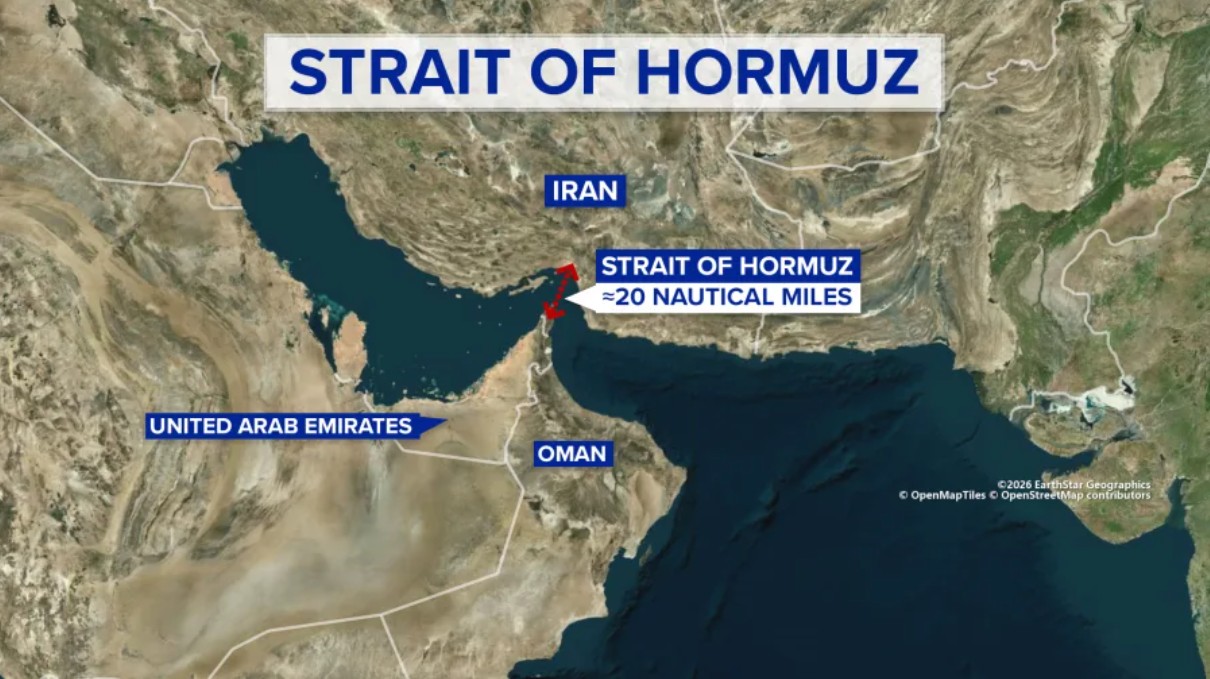
APRIL 19, 2026 — Iran has slammed the door shut on the Strait of Hormuz once again, firing on ships in defiance of the U.S. blockade of its ports. This choke point — where 20% of the world’s oil passes — has become the epicenter of a dangerous standoff that threatens not just Washington and Tehran, but the wallets and fuel tanks of citizens worldwide.
On Saturday, Iran’s military declared the Strait of Hormuz “under strict management and control of the armed forces,” warning that any vessel attempting passage would be treated as hostile. Gunboats opened fire on a tanker, while another vessel was struck by an unidentified projectile. Two Indian-flagged ships, including a supertanker carrying Iraqi oil, were forced to turn back.
For Iran, closing the strait is its trump card. It’s not just about blocking oil — it’s about flexing power in a war that began on February 28 when the U.S. and Israel launched strikes during nuclear talks. The closure is Tehran’s way of saying: if you strangle us, we’ll strangle the world economy.
Washington’s blockade, Trump’s defiance
President Donald Trump has made it clear that the U.S. blockade of Iranian ports “will remain in full force” until Tehran agrees to a deal. He even taunted Iran, saying it “got a little cute” but insisted “they can’t blackmail us.”
The blockade has already forced 23 ships back to Iran, according to U.S. Central Command. Supplies to American bases in the Gulf are now under threat, and Iran’s Supreme National Security Council insists it will maintain oversight of all traffic until the war ends.
Pakistan steps in, but talks stall
Meanwhile, Pakistan is trying to play peacemaker. Foreign Minister Ishaq Dar said his country is working to “bridge differences” between Washington and Tehran, with another round of negotiations expected soon. But Iran’s Deputy Foreign Minister Saeed Khatibzadeh dismissed U.S. proposals, accusing Washington of “risking the global economy through miscalculations.”
Should we care?
Here in the Philippines, we may be thousands of kilometers away, but the Strait of Hormuz is directly tied to our daily lives. Every spike in oil prices hits jeepney drivers, delivery riders, and commuters first. A prolonged closure could mean higher fares, pricier goods, and another round of inflation headaches.
Think about it: one-fifth of the world’s oil flows through that narrow waterway. If Iran keeps it shut, global supply tightens, prices surge, and countries like ours — already struggling with high fuel costs — will feel the squeeze.
This is about power, pride, and survival. Iran’s new supreme leader, Ayatollah Mojtaba Khamenei, declared the navy stands “ready to inflict bitter defeats on its enemies.” Meanwhile, Trump is betting that economic pressure will force Tehran to bend.
Both sides are locked in a dangerous game of chicken, and the rest of the world is stuck in the middle.
What strikes me most is how ordinary people, whether in Tehran, Tel Aviv, or Quezon City, end up paying the price for leaders’ brinkmanship. The war has already killed thousands across Iran, Lebanon, Israel, and Gulf states. And yet, the fight over oil routes and nuclear stockpiles continues, with no regard for the families who just want stability, affordable fuel, and peace.
The Strait of Hormuz may feel far away, but its closure is a reminder that global conflicts don’t stay “out there.” They ripple into our jeepney fares, our grocery bills, and our national mood.
How much longer are we expected to keep absorbing the costs of wars we didn’t start, fought in straits we’ll probably never see?
(Image: Yahoo)