
Iran reopens Strait of Hormuz during ceasefire — Relief for markets or only a temporary pause?
Robel A. Almoguerra • Ipinost noong 2026-04-17 21:45:44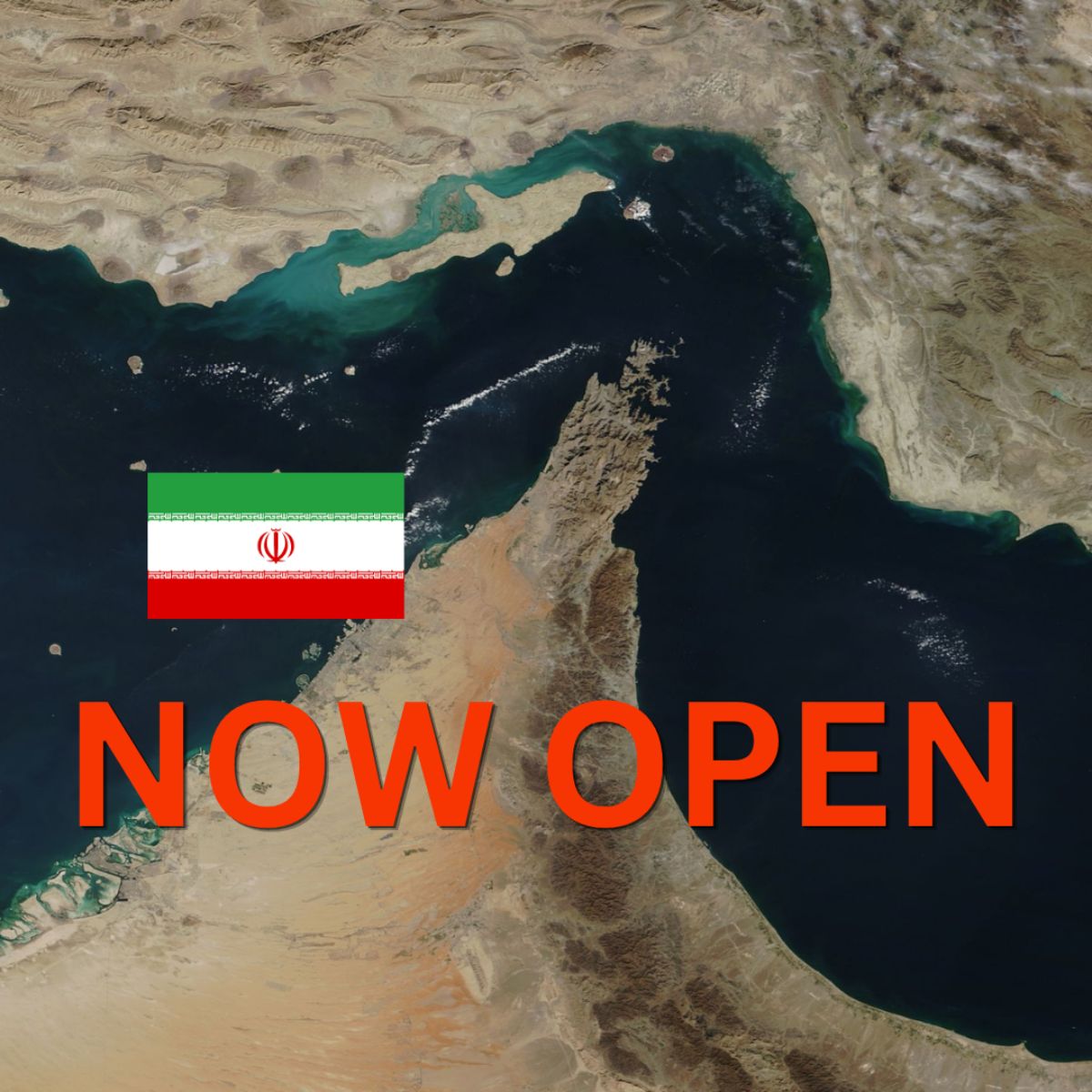
APRIL 17, 2026 — Iran has announced the reopening of the strategically vital Strait of Hormuz to all commercial vessels, offering a temporary sense of relief to global markets after weeks of uncertainty. Iranian Foreign Minister Abbas Araqchi said the passage is now open under the current ceasefire arrangement, though vessels must travel through routes designated by Iranian authorities.
The Strait of Hormuz is one of the world’s most critical shipping lanes, through which a significant share of global oil and liquefied natural gas exports passes. Any disruption in this narrow waterway often sends shockwaves through energy markets, driving up oil prices, shipping insurance costs, and concerns over supply shortages. Reports following the reopening already indicated easing oil prices as traders reacted positively to the announcement.
However, the reopening comes with conditions. Tehran made clear that access is temporary and tied to the continuation of the ceasefire. This means the global economy remains vulnerable to renewed tensions if the truce collapses or political disagreements resurface.
Beyond economics, the move highlights how geography can become a tool of power. Nations positioned along strategic trade corridors often hold leverage far beyond their borders. In this case, Iran’s control over access routes demonstrates how regional conflicts can quickly affect households worldwide through fuel costs, transport prices, and inflation.
While many will welcome the reopening as a step toward stability, others may see it as only a fragile break in a much larger conflict. Markets may calm for now, but confidence is harder to restore than shipping lanes.
Ultimately, this development is a reminder that peace agreements are measured not only by signatures, but by whether they create lasting certainty.
If the world’s economy can be shaken by one narrow waterway, does true global stability depend more on diplomacy than on resources?
(Larawan mula: Britannica, BBC)