
Bus falls into Seine River in France with all passengers safe — Are response systems the key to survival?
Robel A. Almoguerra • Ipinost noong 2026-05-01 21:35:32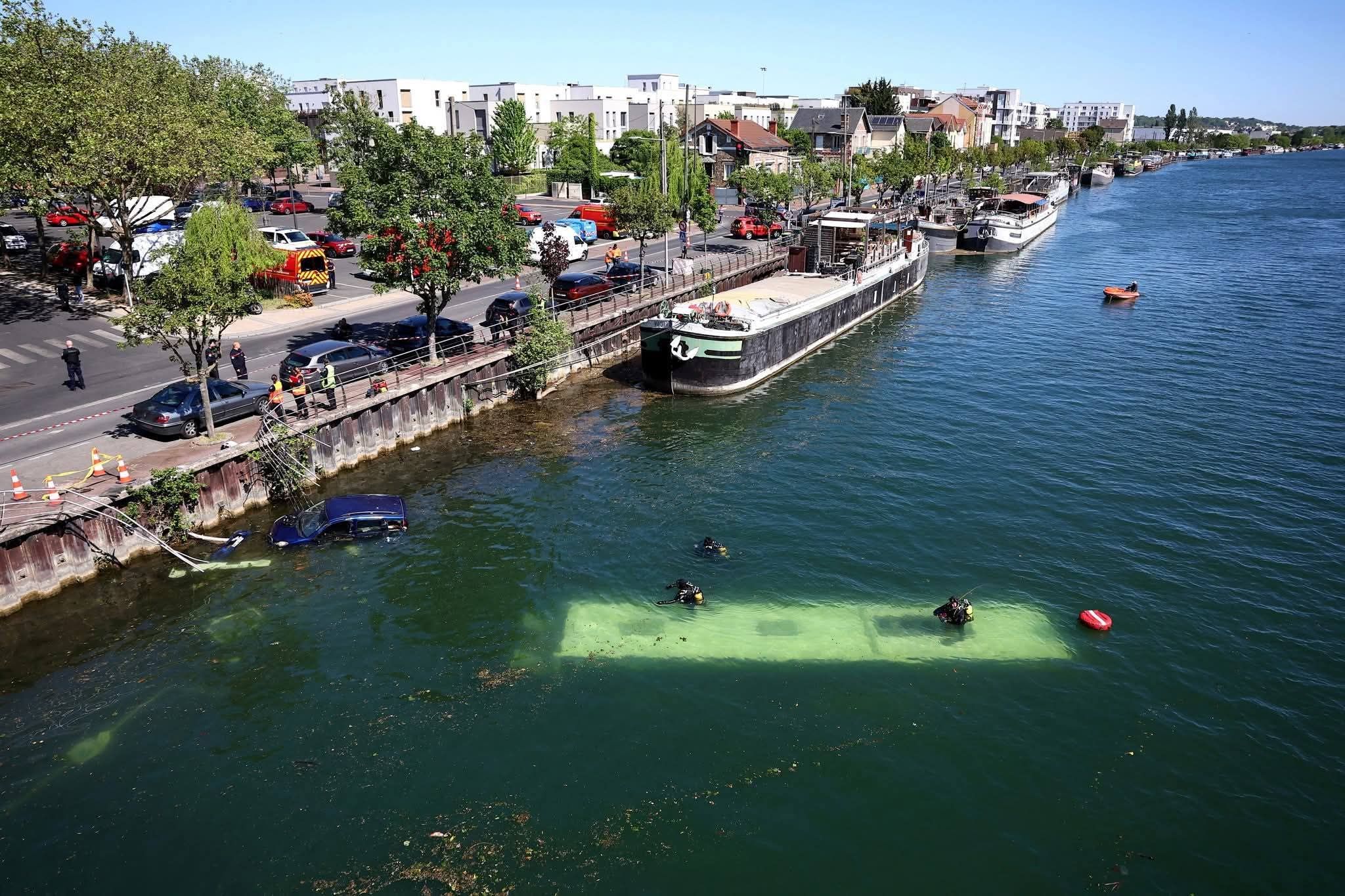
PARIS, France — A potentially tragic accident turned into a story of survival after a bus plunged into the Seine River in Juvisy-sur-Orge, southeast of Paris, on April 30, 2026—yet all four people on board were rescued safely.
According to reports, the incident occurred when a trainee driver, nearing the final stage of her training, lost control of the vehicle while navigating a curve. The bus collided with a parked car before both vehicles veered off and fell into the river. Despite the severity of the crash, a rapid and well-coordinated emergency response prevented what could have been a fatal outcome.
More than 90 firefighters, divers, and rescue personnel were deployed, supported by helicopters to assist in the operation. Notably, members of a local rowing club who were already on the water played a crucial role in the immediate rescue efforts, reaching the victims even before full emergency teams arrived.
All four individuals—the driver, her tutor, and two passengers—were rescued without serious injuries. Initial investigations confirmed that the drivers tested negative for alcohol and drugs, while transport authorities continue to assess the exact cause of the accident.
While the story highlights relief and gratitude, it also raises an important discussion about safety systems and preparedness. Accidents may be unpredictable, especially involving trainee drivers or mechanical and environmental factors. However, what determines the outcome is often not the accident itself, but how quickly and effectively help arrives.
This incident demonstrates the value of coordinated emergency response, trained personnel, and even the unexpected role of civilians in crisis situations. It also reflects how infrastructure, training protocols, and public readiness can turn a near-disaster into a survivable event.
The focus, therefore, shifts from blame to preparedness: systems that anticipate risk rather than merely react to it.
In moments of crisis, is survival more about avoiding accidents—or about how ready we are when they happen?
(Larawan mula: Abdul Saboor / Reuters)