
When did the first Christmas in the Philippines take place? A tradition born in faith and community
Robel A. Almoguerra • Ipinost noong 2025-12-24 23:32:19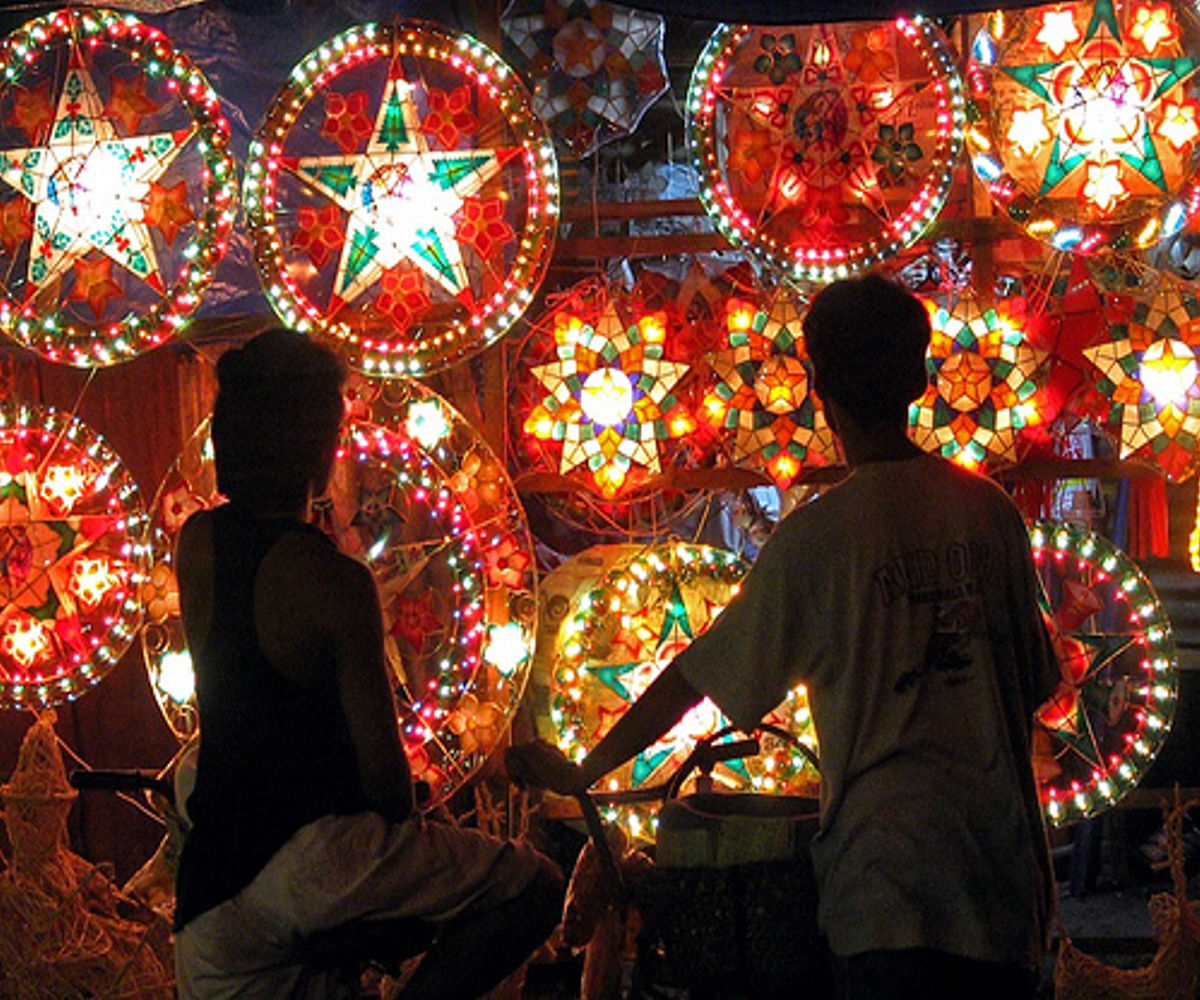
MANILA, Philippines — As Filipinos celebrate Christmas with unmatched joy and devotion, many may wonder when the country first observed the holiday that has become deeply woven into its national identity. Historical accounts show that the first Christmas in the Philippines was celebrated in December 1565, shortly after Spanish explorer Miguel López de Legazpi established the first permanent Spanish settlement in Cebu. This moment marked not only the introduction of Christmas but also the beginning of Catholicism as a central force in Filipino spiritual and cultural life.
Over the centuries, Christianity blended with indigenous beliefs and customs, creating a distinctly Filipino way of celebrating Christmas—one that emphasizes faith, family, and community. Among the most enduring traditions is Simbang Gabi, first documented in 1669 as Misa de Aguinaldo. This nine-day series of dawn masses, held from December 16 to 24, was introduced by Mexican missionaries through the Manila-Acapulco galleon trade. Originally conducted before midnight, the masses were later moved to the early morning hours to allow farmers to attend before heading to the fields, giving rise to the name Misa de Gallo or “Rooster’s Mass.”
The Christmas season culminates on Christmas Eve with the final Simbang Gabi, followed by nochebuena, a festive family gathering centered on shared meals and thanksgiving. These traditions highlight how faith and daily life intersect in Filipino culture. The longevity of these practices reflects the resilience and adaptability of the Filipino people. Christmas in the Philippines is not just a religious observance—it is a living tradition shaped by history, hardship, and hope. In a rapidly changing world, the way Filipinos continue to honor these centuries-old customs serves as a reminder that the true spirit of Christmas lies in togetherness, gratitude, and enduring faith. (Larawan: Make it Davao)