
Nearly ₱12B in confidential funds? Lawmakers warn of growing secrecy in budget
Margret Dianne Fermin • Ipinost noong 2025-12-26 09:03:35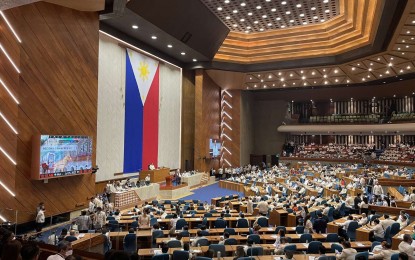
MANILA — The Makabayan bloc in the House of Representatives has raised alarm over the sharp increase in confidential and intelligence funds (CIF) in the proposed 2026 national budget, which they said has reached nearly ₱12 billion.
In a statement, the coalition warned that the growing allocations are vulnerable to abuse due to the absence of transparent auditing mechanisms. “It is clear to the coalition and to the Filipino people that the proposed 2026 budget that Congress is set to ratify is full of funds that are vulnerable to corruption and fascism,” Makabayan said.
Based on its analysis, confidential funds rose to ₱5.25 billion from ₱4.37 billion under the National Expenditure Program, while intelligence funds increased to ₱6.63 billion from ₱6.4 billion. Nearly all agencies that requested CIFs received increases, except for two.
The bloc noted that the Office of the President will control the largest share at ₱4.56 billion. Other agencies with significant increases include the Department of Justice, Department of the Interior and Local Government, Bureau of Customs, and the National Bureau of Investigation. The Anti-Red Tape Authority was granted confidential funds for the first time.
ACT Teachers Party-list Rep. Antonio Tinio warned that CIFs are “napakadaling abusuhin” because they are shielded from transparent audits. He urged President Ferdinand Marcos Jr. to veto the allocations.
Makabayan also criticized the budget for expanding secret funds while underfunding education, health, and social welfare programs. The proposed ₱5.768-trillion budget now awaits presidential approval.
A Budget That Hides Its Priorities Is Telling on Itself
The ballooning of confidential and intelligence funds to nearly ₱12 billion should alarm every taxpayer. This is not about security. It is about secrecy, discretion, and money shielded from scrutiny at a time when ordinary Filipinos are told to accept scarcity.
Confidential funds are, by design, difficult to audit. That reality alone demands restraint. Instead, the 2026 budget expands them aggressively while education, health care, and social protection remain underfunded. The message is unmistakable. Oversight is optional. Transparency is negotiable. Public need is secondary.
Even more troubling is the spread of these funds across agencies with no clear intelligence mandate. When offices tasked with reducing red tape or delivering basic services receive secret funds, accountability erodes. Normalizing secrecy in civilian governance invites abuse, not efficiency.
The argument that these allocations are necessary has worn thin. If funds cannot withstand public audit, they should be limited, not expanded. Democracy does not function on blind trust, especially when history has shown how easily discretionary funds can be weaponized for patronage or control.
President Marcos Jr. now holds the final line of defense. A veto would signal commitment to transparency. Signing the budget as is would confirm what critics already fear. That secrecy is being prioritized over service.
Budgets reveal values. This one speaks loudly, even as it tries to hide.