
Philippines to add nearly 15M people by 2035, PSA says - Can crowded regions cope?
Margret Dianne Fermin • Ipinost noong 2026-01-14 13:21:42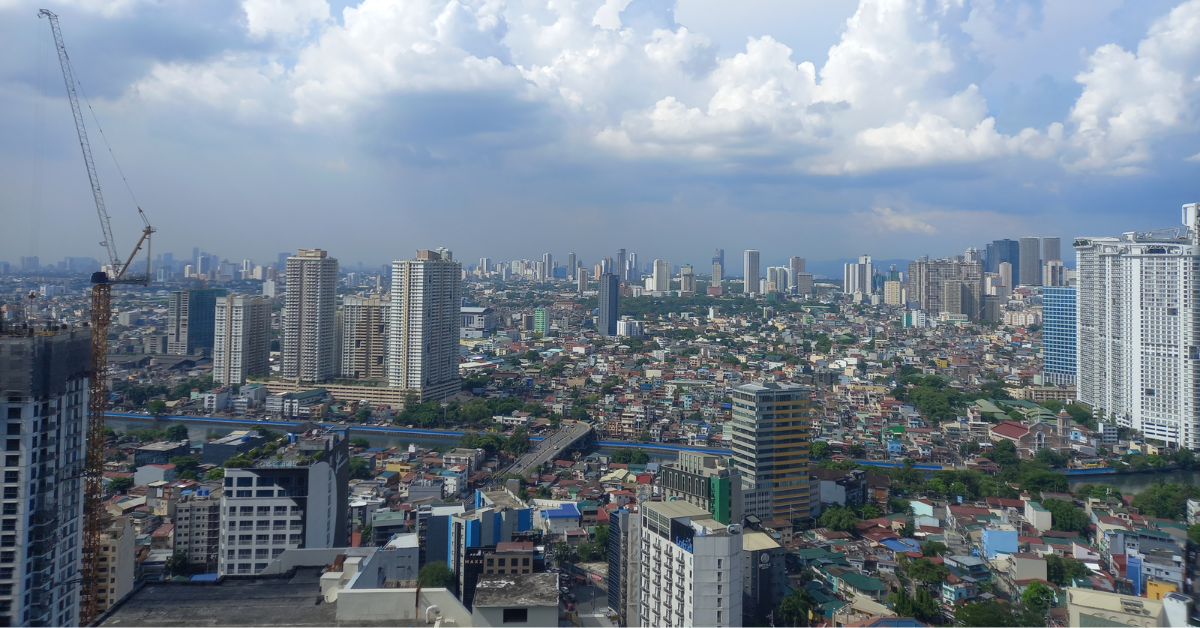
MANILA — January 14, 2026. The Philippine Statistics Authority (PSA) has projected that the country’s population will increase by 14.76 million over the next 15 years, reaching 123.96 million by 2035. The growth, while slower compared to past decades, is expected to place significant pressure on urban centers and public services.
According to the PSA, the average annual growth rate between 2020 and 2035 will be 0.85 percent. Calabarzon is expected to remain the most populous region, with its population projected to reach 19.07 million. The National Capital Region (NCR) will follow with 14.49 million, while Central Luzon is forecast to hit 14.02 million. In contrast, the Cordillera Administrative Region (CAR) will remain the least populated, with only 2.13 million residents by 2035.
The agency noted that demographic expansion will continue to shape the country’s economic and social landscape. “Population projections are vital for planning in education, health, housing, and employment. These figures guide policymakers in allocating resources and preparing for future demand,” the PSA said in its report.
The projections also highlight regional disparities. While urbanized regions such as Calabarzon, NCR, and Central Luzon will see rapid growth, smaller regions like CAR, BARMM, and Caraga are expected to expand at a slower pace. Experts warn that this imbalance could intensify migration to already congested areas, further straining infrastructure and services.
Observers say the increase of nearly 15 million people by 2035 underscores the need for sustainable development strategies. Urban planning, food security, and climate resilience are among the key challenges that government agencies must address.
The PSA emphasized that while fertility rates have declined, the country’s demographic momentum ensures continued growth. The agency urged national and local governments to integrate these projections into long-term development plans to ensure that the Philippines can meet the needs of its expanding population.
Growth Without Balance, Why Do Crowded Regions Keep Carrying the Future?
The country will add nearly 15 million people by 2035, and most of them will not spread evenly. They will crowd into Calabarzon, NCR, and Central Luzon, while other regions grow slowly and fall further behind. This is not fate. It is policy failure playing out year after year.
The Philippine Statistics Authority calls these numbers vital for planning, yet opportunity remains stubbornly centralized. Jobs, schools, hospitals, and transport keep pulling people toward places already stretched thin. Meanwhile, regions with room to grow lack investment, connectivity, and political urgency.
Population growth is not the real problem. Imbalance is. When development keeps choosing the same winners, migration becomes survival, not choice. If planners already see where the pressure is building, why does opportunity still refuse to follow the people who need it most?