
NLEX toll hike takes effect January 20 — How many increases can motorists take?
Margret Dianne Fermin • Ipinost noong 2026-01-17 10:14:27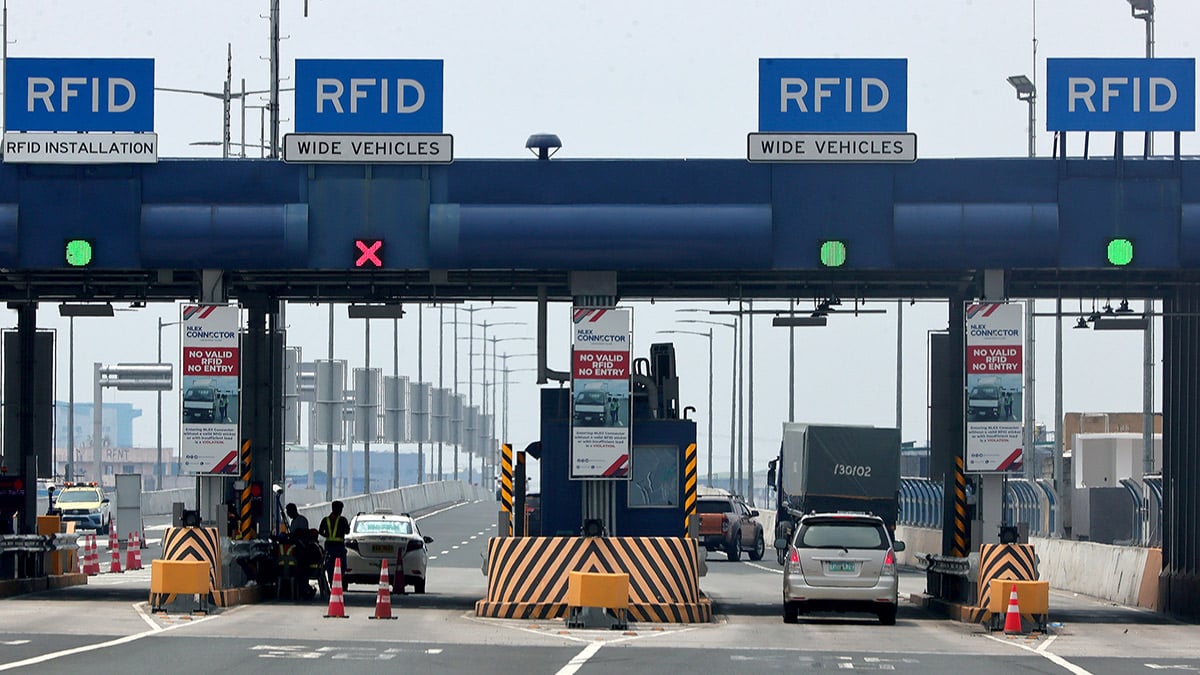
January 17, 2026 – Manila, Philippines. The Toll Regulatory Board has confirmed that new toll rates for the North Luzon Expressway (NLEX) will take effect on January 20, 2026, following the approval of NLEX Corporation’s petition for a rate adjustment. The increase covers both the open and closed systems of the expressway.
For the open system, which includes entry points from Balintawak, Caloocan, and Mindanao Avenue up to Marilao, Bulacan, motorists will pay an additional ₱6 for Class 1 vehicles (cars and SUVs), ₱12 for Class 2 vehicles (buses and small trucks), and ₱16 for Class 3 vehicles (large trucks and trailers).
Meanwhile, for the closed system, which covers Marilao to Sta. Ines in Mabalacat City, Pampanga, the increase will range from ₱0.26 to ₱0.78 per kilometer, depending on vehicle class.
NLEX Corporation explained that the toll hike is necessary to support ongoing infrastructure upgrades, road safety improvements, and maintenance programs. The company said the adjustments are part of its concession agreement with the government, which allows periodic rate increases to account for inflation and investment recovery.
The TRB emphasized that the new rates were reviewed and approved in accordance with existing regulations. Officials noted that while the increase may burden motorists, it is intended to ensure the sustainability of expressway operations and the continued delivery of road improvements.
Motorists and transport groups have expressed mixed reactions. Some commuters criticized the timing of the hike, citing rising fuel prices and the cost of living. Others acknowledged that the improvements in road quality and traffic management along NLEX have helped reduce travel time and vehicle wear.
NLEX Corporation has assured the public that it will continue to implement safety measures, including enhanced traffic monitoring, road widening projects, and the installation of modern toll collection systems.
Every Peso Adds Up on the Road Home
Toll hikes are always explained as small, reasonable, even necessary. Six pesos here. A few centavos per kilometer there. On paper, they look harmless. On the road, they stack up fast.
For daily commuters, delivery drivers, and provincial workers, NLEX is not a convenience. It is a lifeline. Each increase quietly raises the cost of working, moving goods, and getting home on time. Unlike optional expenses, tolls cannot be skipped without sacrificing hours of life to traffic.
Infrastructure needs funding, yes. Roads must be safe and maintained. But when wages stay flat and prices climb everywhere else, motorists feel every adjustment as a pay cut.
The real question is no longer why tolls go up. It is who absorbs the cost, and how much more the public can shoulder before mobility itself becomes a luxury.