
Kalamansig braces for possible tsunami as Mayor orders mass evacuation
Robel A. Almoguerra • Ipinost noong 2026-01-22 00:16:45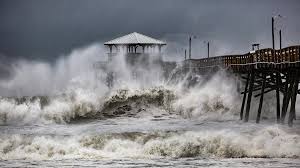
SULTAN KUDARAT, Philippines — Local authorities in Kalamansig, Sultan Kudarat have ordered a pre-emptive evacuation of families living in ten coastal barangays following a series of earthquakes that raised fears of possible aftershocks and a tsunami threat. On January 21, 2026, Mayor Ronan Eugene Garcia issued Executive Order No. 01, mandating residents of Sta. Clara, Pag-Asa, Datu Ito Andong, Nalilidan, Dumangas Nuevo, Sta. Maria, Cadiz, Sangay, Paril, and Poblacion to temporarily leave their homes as a precautionary measure.
In addition to the evacuation order, all fishing activities within municipal waters were suspended to reduce risks to fisherfolk and coastal workers. Local disaster response teams were mobilized to assist residents, monitor conditions, and assess potential damage, while authorities continued to coordinate with national agencies for updates on seismic activity.
At first glance, the move reflects decisive leadership rooted in the principle of “better safe than sorry.” In a country like the Philippines—situated along the Pacific Ring of Fire and frequently battered by natural hazards—pre-emptive evacuation has proven time and again to be a life-saving strategy. Waiting for visible danger often comes at a tragic cost, as history has shown during earthquakes, tsunamis, and storm surges.
However, such decisions also open a wider discussion about preparedness beyond evacuation orders. Many displaced families rely on daily fishing for survival, and temporary bans on livelihood, while necessary for safety, can deepen economic hardship. This raises questions about whether disaster preparedness plans sufficiently account for food security, temporary income support, and mental health care during prolonged evacuations.
The Kalamansig situation underscores a critical balance: acting swiftly to protect lives while ensuring that communities are not left vulnerable in other ways. As climate change and geological risks intensify, the challenge is not just responding to disasters, but strengthening systems that help people recover and endure. Ultimately, the question remains: Are local governments and communities truly equipped to face repeated disasters—not just by evacuating, but by sustaining lives before, during, and after the crisis? (Larawan: The Quint / Google)