
Energy crisis prompts calamity declarations in Iloilo — Are local governments bearing the burden of global conflicts?
Robel A. Almoguerra • Ipinost noong 2026-04-03 23:28:56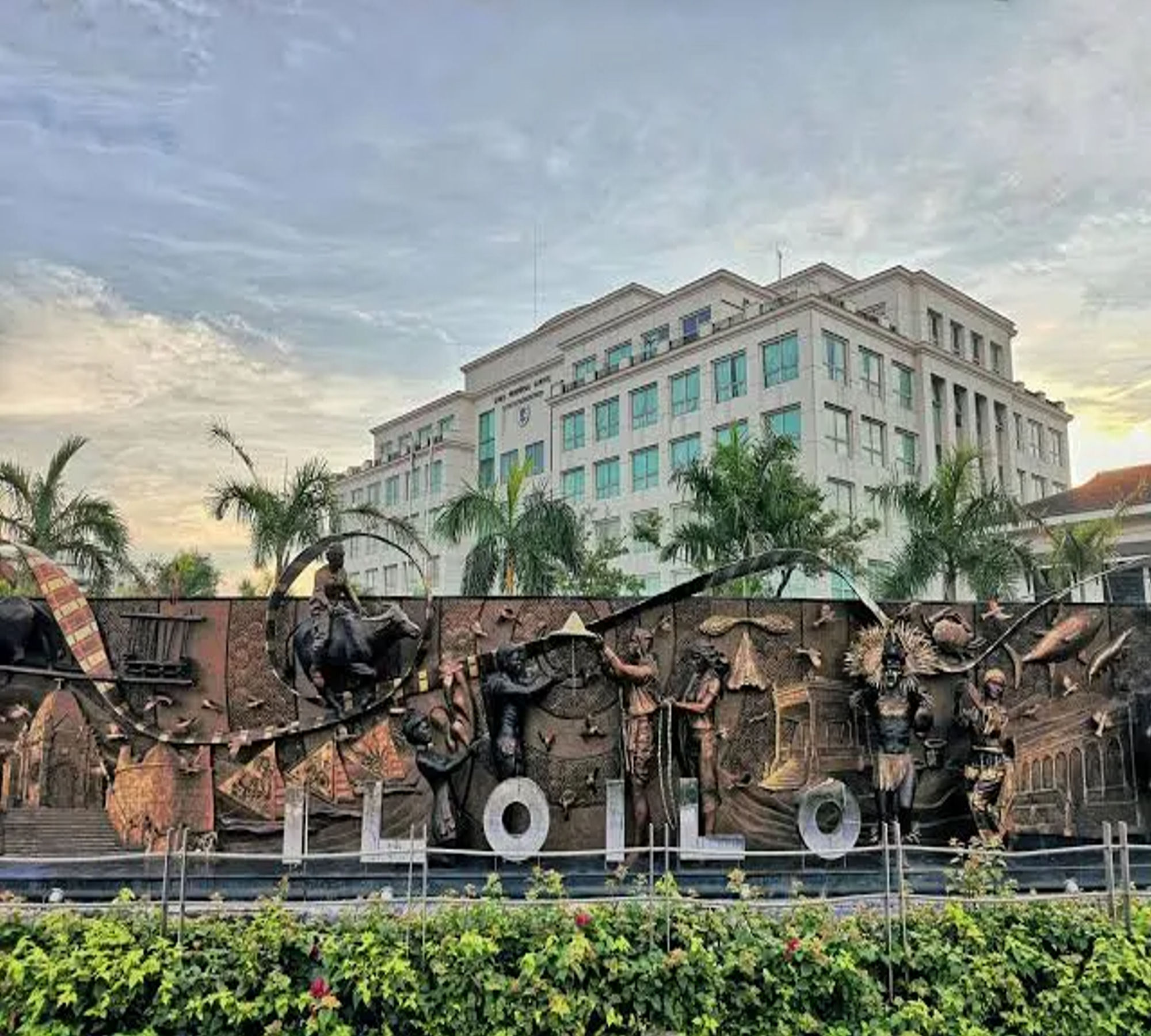
ILOILO — Two municipalities in Iloilo have officially declared a State of Calamity amid the ongoing energy crisis linked to tensions in the Middle East. The towns of Ajuy, Iloilo and New Lucena, Iloilo made the move to address the growing impact of rising fuel costs and power-related challenges affecting their communities.
With the declaration, local governments can now access their Quick Response Fund (QRF), allowing them to implement urgent measures such as fuel subsidies, emergency assistance, and other interventions aimed at easing the burden on residents. Officials emphasized that the decision was necessary to respond swiftly to the economic strain brought about by the global energy situation.
The crisis, largely influenced by geopolitical tensions abroad, has led to increased fuel prices and concerns over supply stability. For smaller municipalities like Ajuy and New Lucena, the ripple effects are deeply felt—impacting transportation, agriculture, and basic services. Fisherfolk, farmers, and daily wage earners are among the most vulnerable sectors facing rising operational costs.
While the declaration of a State of Calamity provides immediate relief mechanisms, it also raises broader questions about resilience. Should local governments be forced to rely on emergency funds for what is essentially a global issue? And how sustainable are these measures if the crisis persists?
This development underscores the interconnected nature of today’s world, where conflicts thousands of kilometers away can directly affect local communities. It also highlights the urgent need for long-term solutions, such as energy diversification and stronger national policies, to reduce dependence on volatile global markets.
As more areas monitor the situation closely, the actions taken by these Iloilo towns may signal what other local governments could soon consider.
When global crises trigger local emergencies, are communities equipped to withstand the long-term impact—or merely managing short-term survival?
(Larawan mula: Iloilo Metropolitan Times)