
Arrested Russian vlogger thought HIV scare threat would be a 'meme'
Margret Dianne Fermin • Ipinost noong 2026-01-24 10:24:53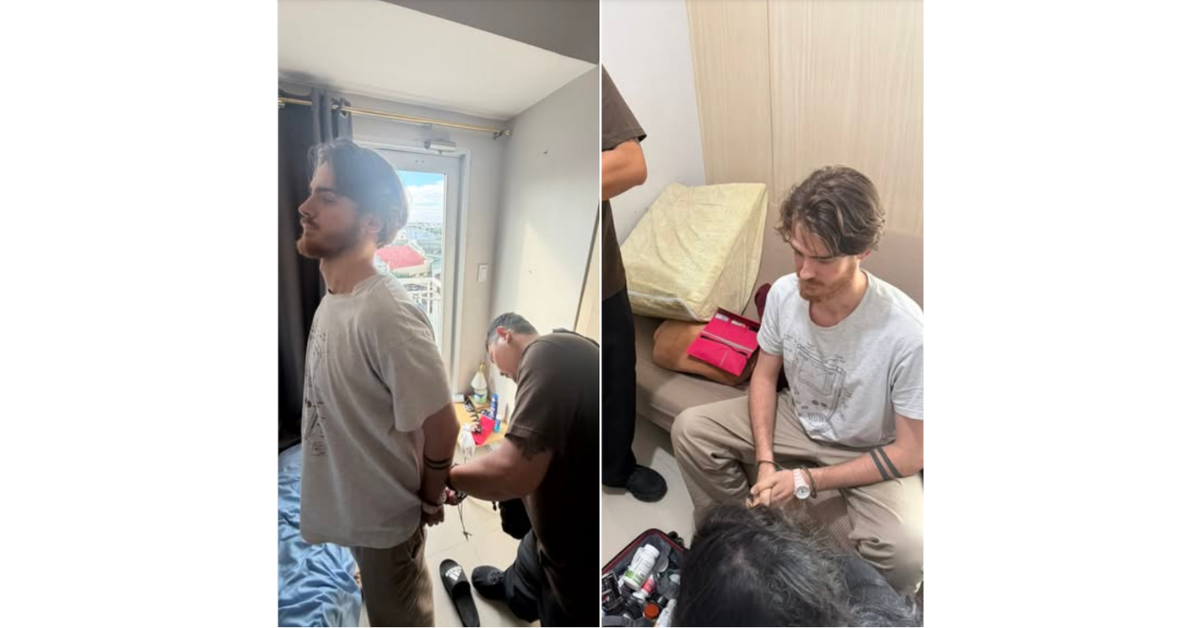
MANILA, Philippines — January 24, 2026 — A 21-year-old Russian vlogger arrested in Quezon City after sparking outrage with videos claiming he would spread HIV in the Philippines said he never intended harm and expected the content to “become a meme.”
The Bureau of Immigration (BI) identified the vlogger as Nikita Chekhov, who arrived in the country on January 15 as a tourist. Shortly after, he uploaded clips filmed in Bonifacio High Street, Taguig, where he made alarming statements such as “Let’s spread HIV.” The videos quickly went viral, drawing condemnation from netizens and prompting authorities to act.
BI Commissioner Joel Anthony Viado said Chekhov was arrested inside a condominium in Quezon City. “These so-called rage-bait videos irresponsibly cause fear and panic among the public. Foreign nationals who come to the Philippines to spread alarm, disrespect our people, or abuse our hospitality are not welcome and will face deportation,” Viado stressed.
In an interview aired on GMA’s 24 Oras, Chekhov insisted he does not have HIV and claimed his content was misunderstood. “I do content for a living. But never in a negative in any kind of form to anybody. I’ve been making TikToks for Filipino audience too,” he said. He explained that he was reacting to online hate comments stereotyping foreigners.
“I analyzed it and saw, that some Filipinos think of foreigners in a very stereotype way. I was getting many comments like ‘stop spreading your viruses, foreigner,’ ‘passport bro,’ ‘HIV alert.’ Just for being me. I was just doing some dances, silent TikToks, and still was getting that hate. And as a content creator, I analyzed, and thought how do I attract attention? And that’s how I came up with ‘Spread HIV’ thing – I literally said out loud what Filipinos were saying to me.”
Chekhov admitted he expected the phrase to be treated as satire. “I was expecting it to become a meme,” he said, adding that he did not anticipate the backlash or the seriousness with which authorities would take his statements.
The BI confirmed Chekhov is now detained at its facility pending deportation proceedings. Officials emphasized that his case is part of a broader crackdown on foreign nationals who misuse social media platforms to provoke or incite fear.
The incident has reignited discussions about the dangers of “rage-bait” content, where creators deliberately post inflammatory material to gain views and engagement. Filipino netizens expressed relief over Chekhov’s arrest, while others pointed out the need for stricter monitoring of online content that could cause public alarm.
Rage-Bait Is No Longer Just Content
Outrage has become a content strategy. When a foreign vlogger publicly invoked “spread HIV,” the issue moved beyond offensive speech and into public safety. HIV carries deep stigma in the Philippines, and reckless statements can amplify fear, misinformation, and distrust in public health efforts that already struggle to reach vulnerable communities.
Free expression and satire still matter. Creators often test boundaries, and intent is not always malicious. Defenders argue that rage-bait is speech, not action, and that state punishment risks chilling expression, especially in a digital space built on exaggeration and provocation.
Yet speech that triggers panic and exploits disease for clicks causes measurable harm. Authorities exist to draw limits when public health and safety are at stake. When outrage becomes a threat, should tolerance still apply?
Photo Courtesy: Bureau of Immigration