
Leviste says fear, silence signal ‘de facto martial law’ — reality or overreach?
Margret Dianne Fermin • Ipinost noong 2026-01-27 09:21:36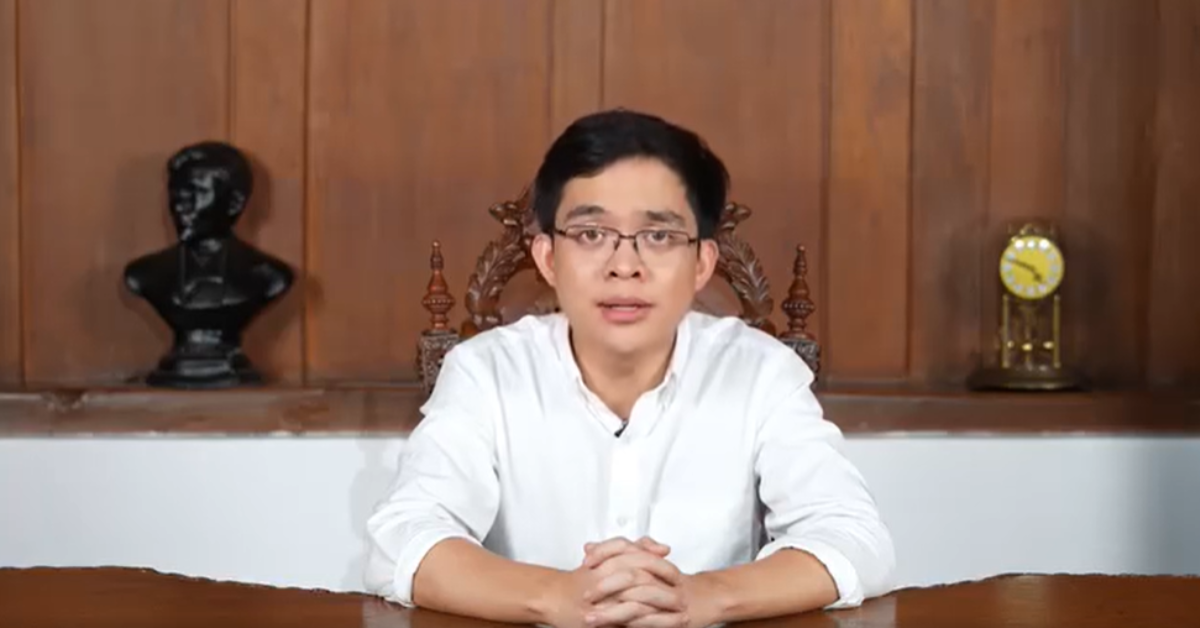
MANILA, Philippines, January 26, 2026 — Representative Leandro Leviste has declared that the Philippines is now under “de facto martial law,” warning that democratic institutions are being undermined by fear, unchecked spending, and the silencing of critics.
His remarks have sparked debate across political circles and social media, drawing comparisons to the authoritarian rule of former President Ferdinand Marcos Sr.
In a strongly worded statement, Leviste said, “Ang Pilipinas ngayon ay nasa ilalim ng de facto Martial Law. Hindi man deklarado, pero nararamdaman. Marami ay tahimik dahil sa takot na makasuhan, dahil nakikita na ang mga kritiko ng administrasyon ang mga unang sinasampahan ng kaso habang ang ibang mga kaalyado ay hinahayaan.”
He added that laws are being passed without debate and that billions of pesos in government budgets are not being questioned, including alleged payments to media personalities, social media influencers, and troll farms that spread disinformation and attack critics of the administration.
Leviste drew parallels to the martial law era under Marcos Sr., noting that despite repression, opposition figures, civil society, and various sectors fought against dictatorship. “Ganito din sa panahon ng Martial Law ni dating presidente Ferdinand Marcos Sr. Ngunit maraming mga miyembro ng oposisyon, civil society, at iba't ibang sektor ay lumaban sa diktadura. Kahit maraming ikinulong, umalis ng bansa, at ginipit ang negosyo, hindi sila sumuko,” he said.
He expressed confidence that those speaking out today will also prevail against corruption, while warning that silence will be remembered as complicity. “Ako po ay naniniwala na ang mga nagsasalita ngayon ay magtatagumpay rin laban sa korupsyon, katulad ng mga nauna sa atin, at ang mga nananatiling tahimik ay maaalala bilang mga kasabwat sa pinakamalaking korupsyon sa kasaysayan ng ating bansa,” Leviste declared.
He further urged the public to protect whistleblowers and truth-tellers, saying, “Umaasa rin po ako na ang mga nagsasalita tungkol sa korupsyon sa gobyerno ay poprotektahan ng taong bayan at gagamitin nila itong pagkakataon upang ibahagi ang katotohanan para sa kinabukasan ng ating bayan.”
The Palace has yet to issue a direct response to Leviste’s statement, but administration allies have previously dismissed similar claims as political rhetoric. Analysts note that his remarks reflect growing unease among opposition lawmakers amid ongoing impeachment complaints against both President Ferdinand Marcos Jr. and Vice President Sara Duterte.
Leviste’s pronouncement has quickly trended online, with supporters amplifying his warning and critics accusing him of exaggeration. The controversy underscores the fragile state of Philippine politics, where questions of governance, accountability, and public trust continue to dominate national discourse. For many, his warning serves as a reminder of the importance of vigilance in safeguarding democracy, while for others, it is seen as a political gambit in an increasingly polarized environment.
When Everything Becomes “Martial Law”
Calling today’s Philippines “de facto martial law” is a heavy charge. For some, it sounds like a needed warning. Fear can silence critics, budgets can pass unchecked, and pressure does not always wear a uniform. Vigilance matters, especially in a democracy with painful history.
But words shape reality. Martial law was arrests, censorship, tanks, and suspended rights. When the label is used too loosely, it risks blurring real danger with political rhetoric. Extreme language can shock, but it can also desensitize.
Democracy needs alarms that are precise, not performative. If everything is called authoritarian, how will the public recognize the moment when it truly is?