
Duterte gets medical breaks at ICC as drug war victims step into the spotlight — the clash begins
Marijo Farah A. Benitez • Ipinost noong 2026-01-28 16:26:58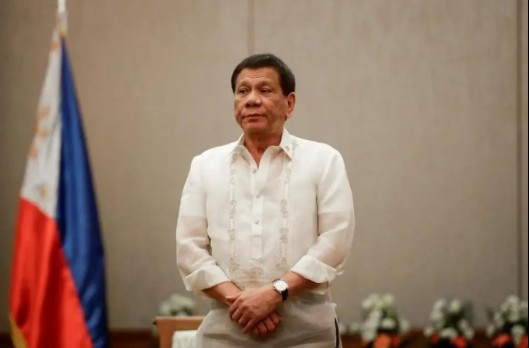
JANUARY 28, 2026 — The stage is set in The Hague: former Philippine President Rodrigo Duterte will face the International Criminal Court (ICC) in a four-day confirmation of charges hearing, cushioned by special medical breaks, while victims of his bloody drug war finally step into the spotlight. It’s not just a courtroom schedule — it’s a clash of narratives, comfort versus accountability, and the Philippines is watching.
The ICC’s Pre-Trial Chamber I ordered that Duterte’s hearings run on February 23, 24, 26, and 27, with each day capped at three hours. The timetable looks more like a wellness routine than a grueling trial: 10 a.m. to 11 a.m., break; 11:30 a.m. to 12:30 p.m., long break; then 2 p.m. to 3 p.m. Judges say this is about fairness and ensuring Duterte can participate fully.
Hourly breaks, shorter sessions, and medical accommodations — all designed to keep him in the game.
But while Duterte gets comfort, victims of the drug war will finally get their chance to speak. The ICC ruled that victims admitted to the case can present their views and concerns through their lawyers. Joel Butuyan and Gilbert Andres, together with counsel from the Office of Public Counsel for Victims, will represent them.
For families who lost loved ones, this is history in motion — their voices echoing in an international courtroom.
The Chamber explained why the defense gets more time: “The Prosecution already had the opportunity to present its case to the Chamber in writing … whilst for the Defence the hearing will be the first opportunity to present its submissions on the merits of the case.”
Translation? The defense gets three and a half hours, the prosecution two and a half, and victims just one and a half. On paper, it’s about balance. In reality, it’s a dramatic contrast — Duterte’s comfort versus victims’ compressed time.
And it doesn’t stop there. The ICC also scheduled Duterte’s mandatory detention review alongside the hearings, set for February 27. Judges will hear oral submissions from the prosecution (20 minutes), victims’ counsel (15 minutes), and defense (20 minutes). No extra paperwork, unless new evidence surfaces.
By the end of that Friday, the Chamber will decide not only if the charges move forward but also if Duterte stays in detention.
Let’s rewind
Duterte is accused of crimes against humanity — murder and attempted murder — committed between November 2011 and March 2019 in the context of his anti-drug campaign. The Philippines may have withdrawn from the Rome Statute in 2019, but the ICC insists it retains jurisdiction over crimes committed while the country was still a member.
That’s why this case stands: our withdrawal doesn’t erase the bloodshed.
The ICC issued a warrant of arrest on March 7, 2025, initially kept secret, then made public. Duterte was arrested by Philippine authorities and surrendered to the ICC on March 12. His first appearance came two days later. Now, almost a year later, the confirmation of charges hearing will decide if there’s enough evidence to proceed to trial.
For ordinary Filipinos, this isn’t just about legal procedure but about accountability. It’s about whether the international community can hold a former president responsible for a campaign that left thousands dead. It’s about whether justice can cross borders when our own institutions failed to act.
But here’s the reality check: Duterte still has loyal supporters. Some see the ICC as meddling in Philippine sovereignty. Others believe the drug war saved lives.
The hearings won’t decide guilt yet, but they will decide if the case moves forward. And that alone is historic.
By the end of February, the Philippines won’t just be watching Duterte in court. We’ll be watching ourselves — our history, our choices, our reckoning.
Will this four-day clash finally deliver justice for the victims, or expose how fragile truth can be when power is on trial?
(Image: Human Rights Watch)