
Tarriela backs Palace on ‘persona non grata policy’ — Is diplomatic restraint still the best defense for the Philippines?
Robel A. Almoguerra • Ipinost noong 2026-02-01 23:55:48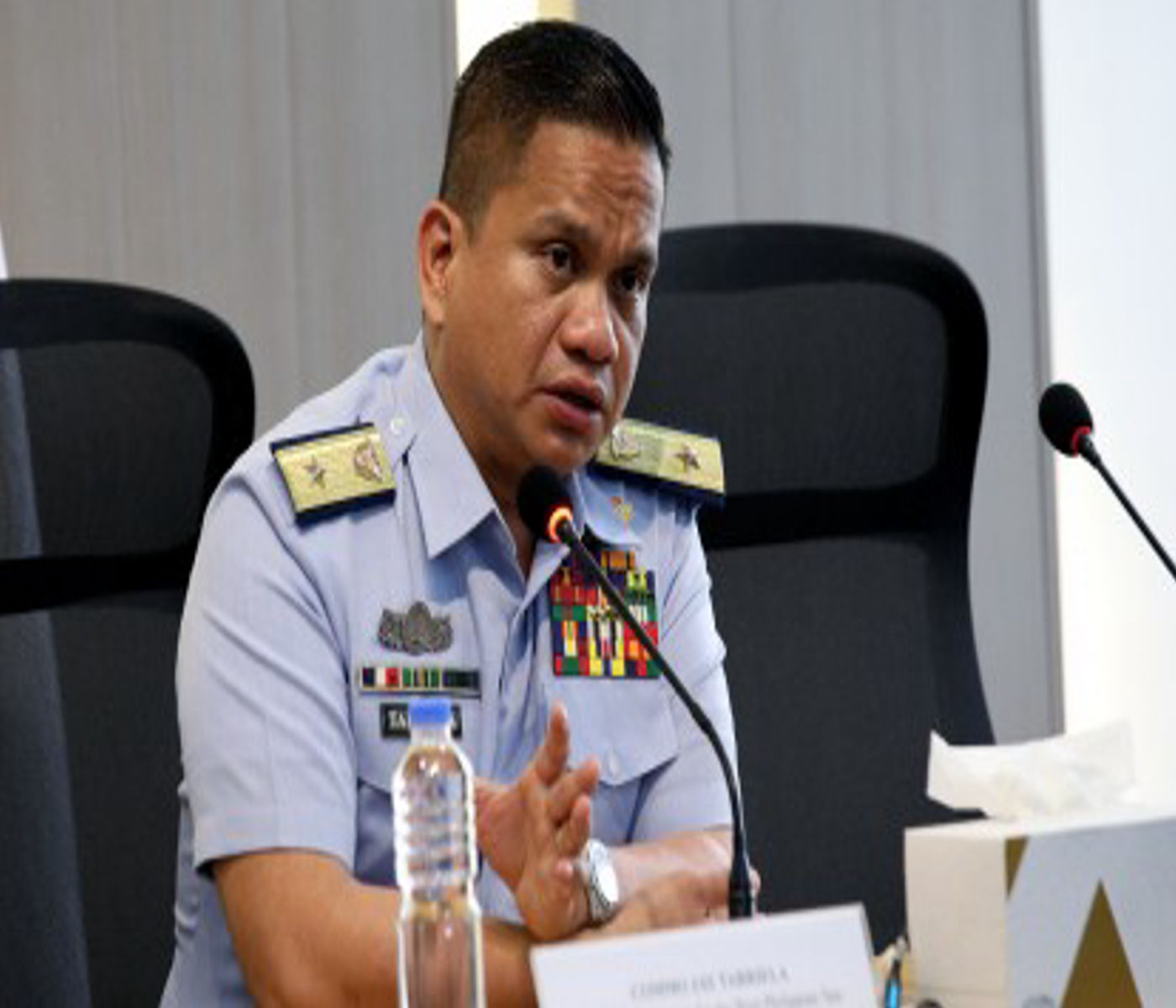
MANILA, Philippines — Philippine Coast Guard spokesperson for the West Philippine Sea Commodore Jay Tarriela has expressed support for Malacañang’s position that declaring foreign embassy officials as persona non grata should be treated strictly as a last resort. His statement comes amid renewed public discussions on how the Philippines should respond to perceived diplomatic and security challenges, particularly those involving China.
In an interview with veteran journalist Korina Sanchez, Tarriela emphasized that President Ferdinand Marcos Jr. has already made his stance clear on the matter, and that he fully agrees with it. According to Tarriela, the use of persona non grata declarations should not be driven by emotion, public pressure, or geopolitical rivalry, but by careful diplomatic calculation. He stressed that such a measure should apply universally to all countries—not just China—and only when all other diplomatic avenues have been exhausted.
“I support the position of Malacañang. The President has already spoken — last resort po ang pagdeklara ng persona non grata sa sinumang opisyal ng embahada,” Tarriela said, underscoring the administration’s preference for restraint and dialogue.
The statement reflects the Marcos administration’s broader approach to foreign policy: assertive in protecting national interest, yet cautious about actions that could escalate tensions unnecessarily. Declaring an embassy official persona non grata is one of the strongest non-military actions a state can take, often leading to retaliatory measures and strained bilateral relations.
While many Filipinos demand firmer responses to foreign actions perceived as hostile, Tarriela’s position highlights the delicate balance between defending sovereignty and maintaining diplomatic stability. In an increasingly polarized global environment, every decision carries long-term consequences—not just politically, but economically and strategically. As tensions in the West Philippine Sea persist and public sentiment grows more vocal, the question remains: should the Philippines prioritize diplomatic restraint even amid provocation, or is there a point when stronger symbolic actions become unavoidable? (Larawan mula sa: Philippine News Agency)