
Jinggoy Estrada backs cyber libel case to defend reputation — is there anything left to save?
Margret Dianne Fermin • Ipinost noong 2026-02-02 09:59:04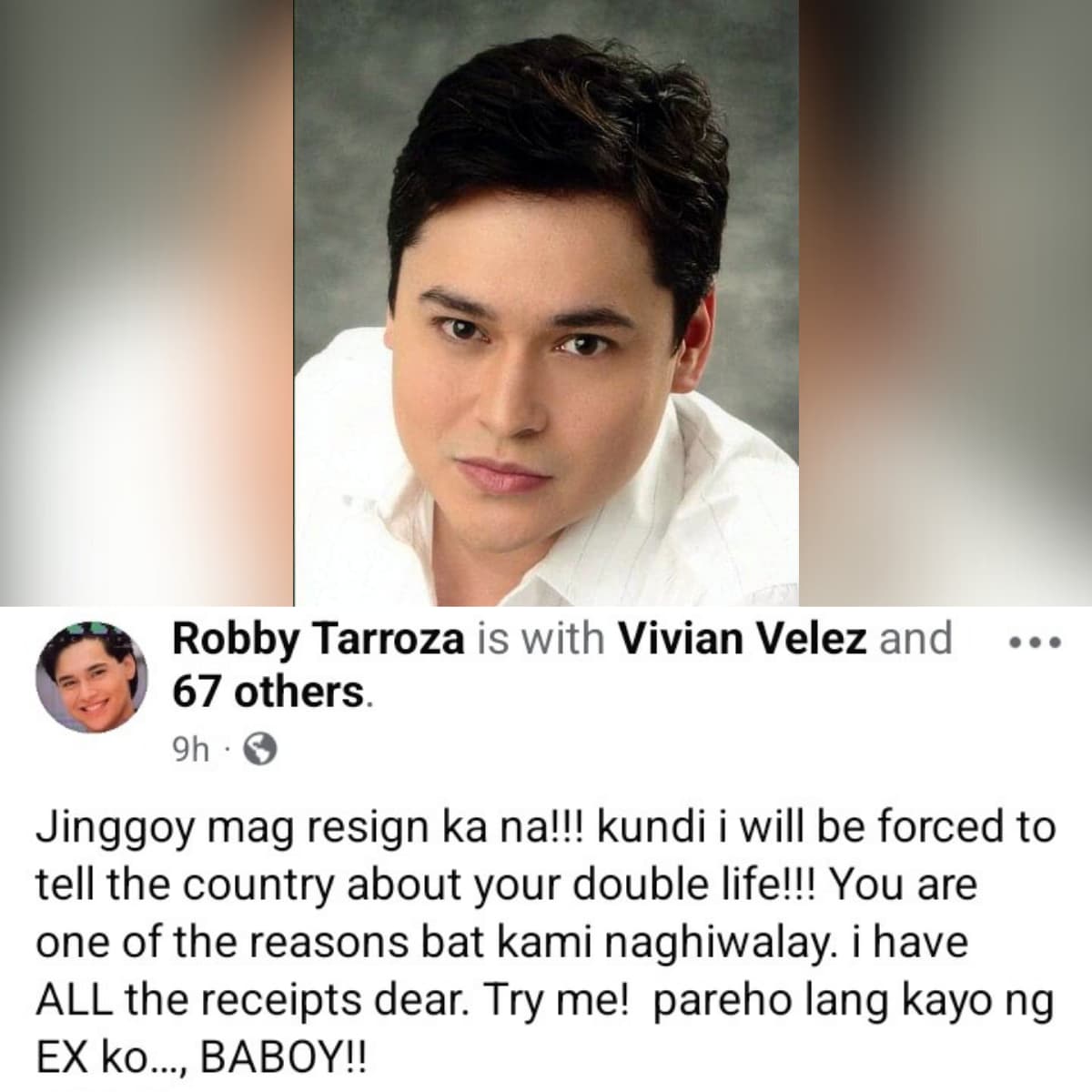
Senator Jinggoy Estrada has vowed to protect his reputation, declaring he will “never allow anyone to defame” him after prosecutors found sufficient basis to charge showbiz personality Robert “Robby” Tarroza Stewart with cyber libel over social media posts that questioned the senator’s masculinity.
MANILA, Philippines — Estrada issued the statement on Sunday following the Pasay City Prosecutor’s Office’s recommendation to file cyber libel charges against Tarroza before the Regional Trial Court of Pasay City. The senator said the case stemmed from a series of defamatory remarks posted on Facebook that subjected him to “public hatred, ridicule and disgrace.”
“As a public official, I am no stranger to criticism and can accept public bashing arising from my official acts and pronouncements,” Estrada said. “However, the attacks coming from Mr. Tarroza crossed all boundaries of decency and legality. They were riddled with falsehoods and intended solely to malign my person.”
The prosecutor’s office noted that Tarroza’s posts went beyond legitimate criticism and constituted defamatory statements under the Cybercrime Prevention Act of 2012. Estrada emphasized that while he respects free speech, it is not absolute. “The right to free speech and expression is not absolute. It cannot be used as a shield to defame, malign, and destroy the reputation of others,” he said.
The case has now been elevated to the Regional Trial Court, where Tarroza will face formal charges. Estrada reiterated that he will pursue legal remedies to ensure accountability. “I’ll never allow anyone to defame me,” he stressed, underscoring his determination to protect his name against malicious attacks.
This development highlights the growing use of cyber libel laws in the Philippines, where online defamation cases have become increasingly common amid the widespread use of social media. Legal experts note that while public officials are expected to withstand criticism, defamatory remarks that cross into personal attacks remain punishable under existing laws.
Masculinity, Power, and the Law
This case is not really about masculinity. It is about power and how the law is used to respond to insult. A senator says he welcomes criticism of his public acts, but draws the line at personal ridicule online. Prosecutors agree that the posts crossed into defamation.
Others will see a familiar tension. Public officials hold influence that private citizens do not. When criminal penalties follow speech, even crude or offensive speech, the chilling effect reaches far beyond one Facebook post. Reputation deserves protection, but prison-bound laws carry weight.
Cyber libel sits at the fault line between dignity and dissent. When words provoke prosecution, does the law protect truth and order, or does it quietly teach citizens to stay silent instead?