
No work, no pay: Sandro slams Congress freeloaders
Marijo Farah A. Benitez • Ipinost noong 2026-02-04 06:20:39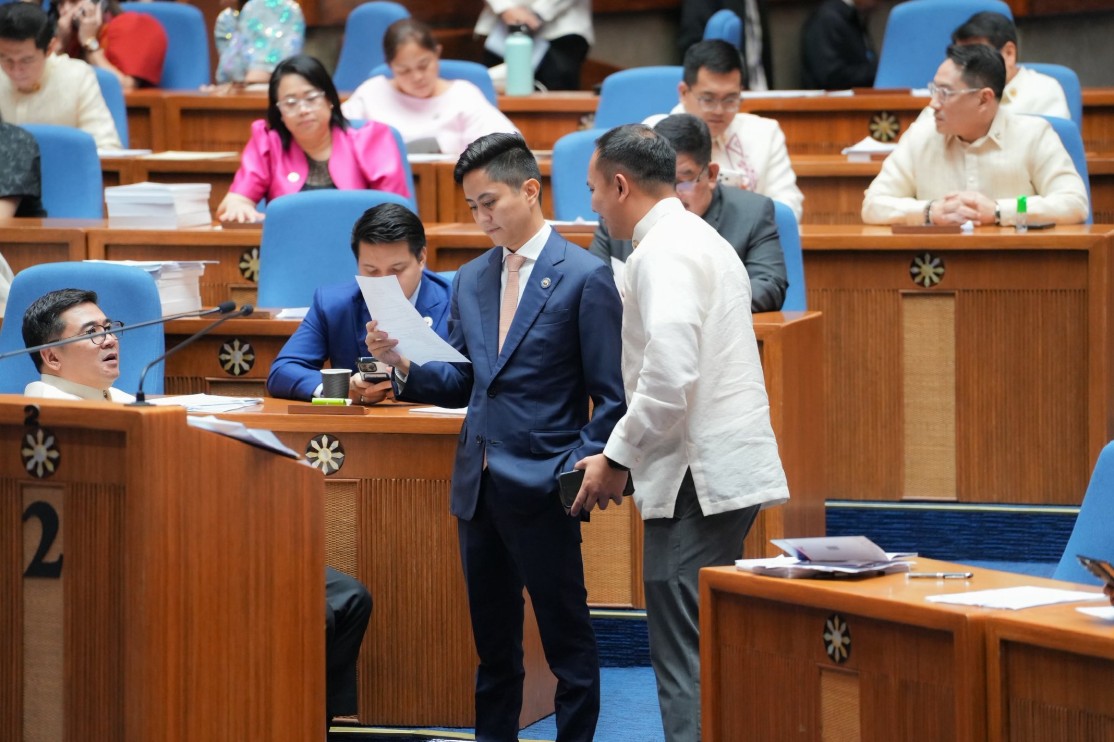
FEBRUARY 3, 2026 — If ordinary workers must clock in to earn their wages, why should lawmakers be exempt? House Majority Leader Sandro Marcos has filed House Bill 7432, seeking to impose a “no work, no pay” policy on senators and congressmen. The idea is straightforward: no attendance, no salary. Fair enough, right?
Marcos argues the measure “promotes transparency, accountability, and integrity in governance.” And honestly, who wouldn’t be frustrated knowing that some senators rake in P300,000 a month despite being absent for weeks — or even months? These are taxpayer funds, meant to serve the people, not bankroll absentee politicians.
Take Senator Ronald “Bato” dela Rosa, for example. He’s been absent since November 11, 2025, sparking public outrage. All because Ombudsman Boying Remulla claimed that an ICC arrest warrant had been issued against him (which has not been verified until now). Yet, despite his prolonged absence, the senator continues to receive his salary. Senator Panfilo Lacson noted that suspending Dela Rosa’s pay would require a review of the Civil Service Law.
So while the government debates, the payouts continue. Isn’t that a slap in the face to hardworking Filipinos who live by the “no work, no pay” rule every single day?
The bill also requires attendance records to be published. Now wouldn’t that be nice, seeing who actually shows up to work and who’s just coasting? That kind of transparency could shake up the system.
Of course, critics question whether the measure is constitutional. Marcos insists it is, pointing out that the 1987 Constitution allows regulation of lawmakers’ compensation.
Lawmakers earn between P290,000 and P330,000 monthly, excluding allowances. If this proposal passes, we’ll finally see who’s willing to work and who’s simply hiding behind their titles. And if some lawmakers complain, then we can ask: what are they worried about?
After all, accountability isn’t optional — it’s the bare minimum we should demand from those who claim to serve the people.
At the end of the day, if ordinary employees live under “no work, no pay,” why shouldn’t the same principle apply to those who claim to represent the people? It’s really quite simple: if you don’t show up, why should you get paid?
(Image: Sandro Marcos | Facebook)