
Duterte refuses ICC jurisdiction — Is sovereignty or accountability at stake?
Robel A. Almoguerra • Ipinost noong 2026-02-18 23:42:08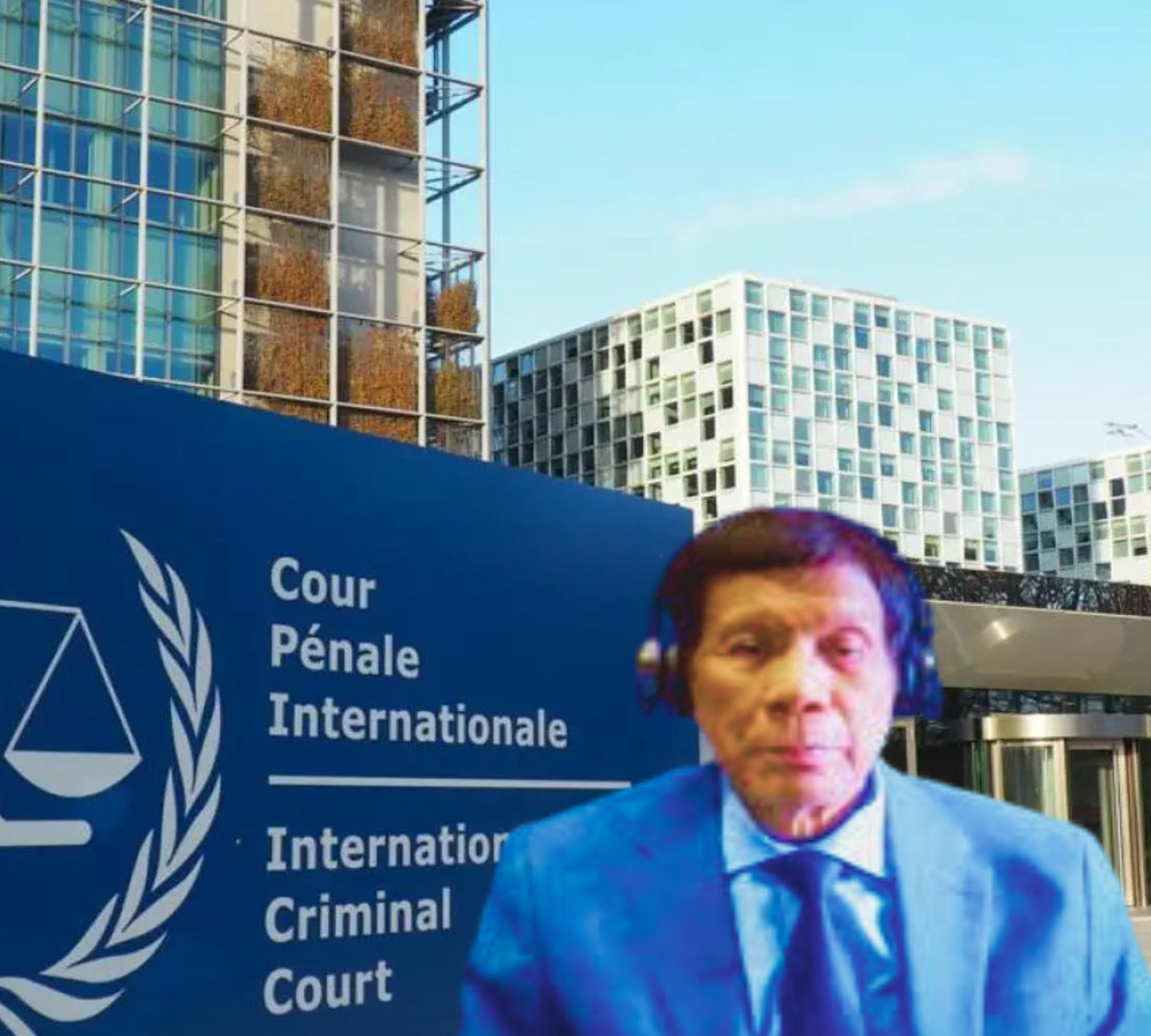
MANILA, Philippines — Former Philippine President Rodrigo Duterte has formally rejected the authority of the International Criminal Court (ICC) over his person in a letter submitted on February 17, 2026. The statement accompanies his decision not to attend the scheduled confirmation of charges hearing from February 23 to 27 in The Hague, Netherlands.
In his letter, Duterte accused the ICC proceedings of violating both his personal rights and the national sovereignty of the Philippines. He claimed, “I do not recognize the jurisdiction of the International Criminal Court over my person. I am a Filipino citizen forcibly pushed into a jet and renditioned to The Hague in the Netherlands in flagrant contravention of my country’s Constitution and of national sovereignty. My kidnapping was facilitated by the office of the incumbent President of the Philippines with a plane specially chartered for this purpose.”
The former president described his rendition as a form of “kidnapping” allegedly endorsed by the current administration, framing it as an affront to Philippine constitutional law. Duterte also denied the allegations linking him to systematic extrajudicial killings during his war on drugs, calling them “outrageous lies” propagated by political opponents.
The move has sparked widespread debate. On one hand, Duterte’s stance raises questions about the balance between national sovereignty and international accountability. On the other hand, critics argue that refusal to cooperate could undermine global justice mechanisms meant to address alleged crimes against humanity.
As the ICC prepares to evaluate the evidence presented by the prosecution, Duterte’s legal team will handle the proceedings in his absence, challenging the sufficiency and credibility of the accusations.
This development highlights the tension between domestic authority and international law: should national sovereignty allow leaders to avoid global scrutiny, or does accountability for human rights transcend borders?
In an increasingly interconnected world, can a nation truly shield its leaders from international justice without eroding the principles of accountability?
(Larawan mula sa: ICC)