
Lights out on bills: Sandro Marcos pushes free electricity for low-use households
Marijo Farah A. Benitez • Ipinost noong 2026-02-18 18:06:38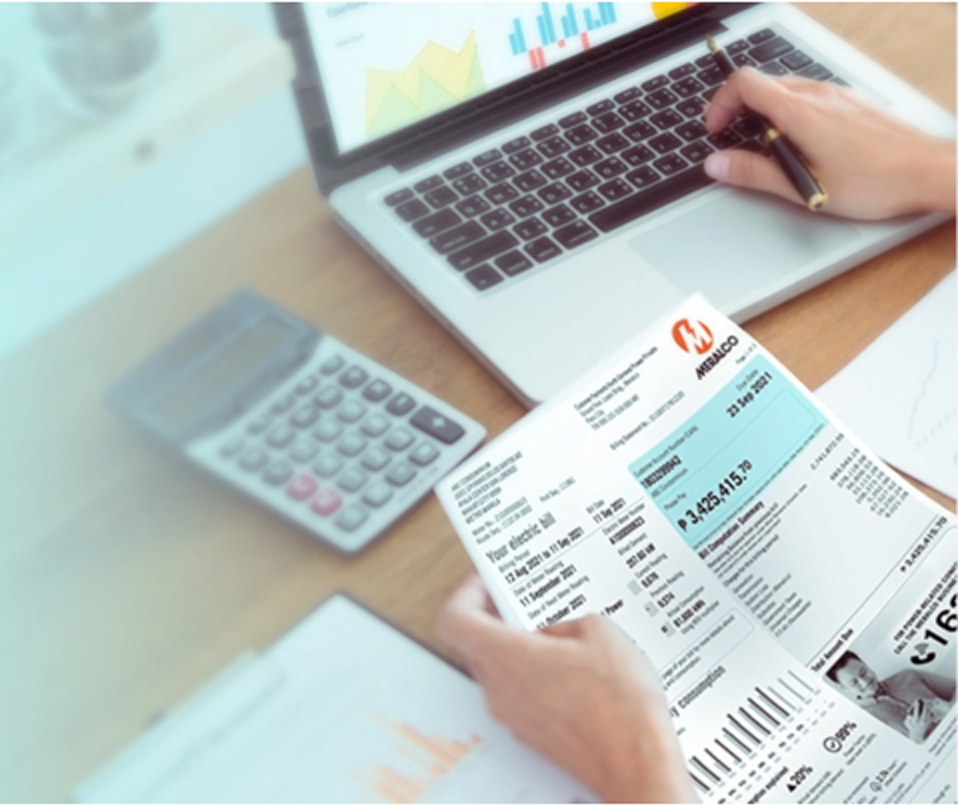
FEBRUARY 18, 2026 — Electricity bills have long been a sore point for Filipino households. Every month, families juggle expenses — food, rent, tuition, and then that dreaded Meralco bill. Now, House Majority Leader and Ilocos Norte Rep. Sandro Marcos is pushing a measure that could change the game: free electricity for low-consumption households. Sounds too good to be true? Let’s break it down.
Under House Bill 2700, households consuming no more than 135 kilowatt hours (kWh) monthly — or paying less than ₱2,000 — would qualify for a government subsidy. That means zero charges on your bill, plus exemption from the 12% VAT.
The catch? If you go beyond the threshold in a given month, you pay the full bill. But you’re not permanently disqualified — you can still benefit again once your usage drops back within limits.
Marcos frames it simply, saying “Electricity is a basic necessity of modern life. This bill seeks to institutionalize a Direct Government Subsidy for low-consumption households, granting them free electricity within a reasonable monthly threshold and, eventually, phasing out the current system of cross-subsidization.”
That “cross-subsidization” he’s talking about is the current lifeline rate system, where other consumers shoulder the cost of discounts for indigent households and senior citizens. A December 2024 study by the Philippine Institute for Development Studies revealed that this setup creates distortions — poor households in low-income areas can end up subsidizing other poor households, and worse, the subsidized electricity is still slapped with VAT. In short, the system isn’t as fair as it looks.
This bill aims to fix that by making subsidies direct, transparent, and uniform. Distribution utilities would issue zero-charge bills to eligible households, then claim reimbursements from the Department of Energy, subject to strict auditing. No more hidden costs, no more blurred lines.
The proposal also introduces a two-year transition period where the new subsidy coexists with the lifeline rate. During this time, regulators will decide whether to fully replace the old system or let both programs run side by side. It’s a cautious approach — avoiding disruption while testing if the new model works better.
Now, let’s talk impact. For families scraping by, free electricity could mean breathing room. Imagine not worrying about the lights, the fan, or charging your phone. It’s relief that goes straight to the household budget. And with electricity prices in the Philippines among the highest in Southeast Asia, this move could finally align us with neighbors like Indonesia, Vietnam, and Thailand, who already provide varying degrees of subsidies.
This bill is about dignity. Access to electricity is access to modern life. It’s kids studying at night without worrying about the meter, small sari-sari stores keeping the fridge running, families staying cool in the summer heat. It’s about giving low-income households a fair shot at comfort and opportunity.
Of course, questions remain. Will the government have enough funds to sustain this subsidy long-term? Will utilities cooperate smoothly? And will this really reach the poorest households, or will loopholes creep in?
The auditing safeguards are promising, but we know too well how “leakage” can happen in government programs.
Still, the intent is clear: to make electricity less of a burden and more of a right. For a country where only 11% of Pantawid Pamilyang Pilipino Program (4Ps) beneficiaries currently enjoy lifeline discounts, this bill could expand relief to millions more.
So do you think the ₱2,000 monthly limit is truly fair for Filipino households, or does it miss the mark completely?
(Image: Meralco)