
Medical cannabis gets green light in Congress — medicine or menace?
Marijo Farah A. Benitez • Ipinost noong 2026-02-24 17:49:45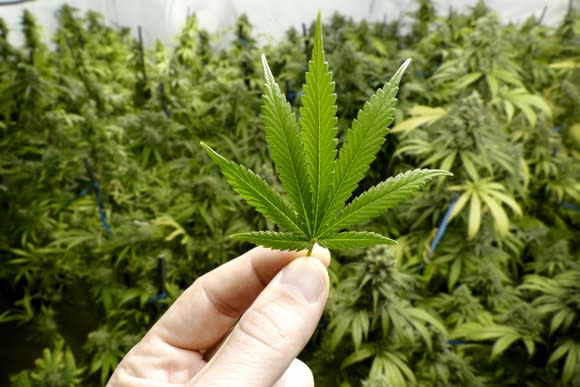
FEBRUARY 24, 2026 — The House Committees on Dangerous Drugs and Health have once again pushed forward a consolidated bill to legalize medical cannabis in the Philippines. On February 24, lawmakers approved House Bill No. 317, which seeks to grant compassionate access to medical cannabis, expand research into its medicinal properties, and establish a strict regulatory framework for patient use and penalties for abuse.
This isn’t the first time such a measure has surfaced. For years, medical cannabis bills have been filed, debated, and shelved. Now, the question is whether this latest attempt will finally break through the wall of hesitation that has kept marijuana firmly under the Comprehensive Dangerous Drugs Act of 2002, where cultivation, possession, and use remain punishable offenses.
Rep. Jonathan Keith Flores, chair of the Dangerous Drugs Committee, was clear about the intent.
“We’re trying to slowly open up not just our eyes and our minds to cannabis on this issue. That’s why we’re limiting it to medical cannabis muna on these bills,” he explained.
His caution reflects the balancing act lawmakers face between compassion for patients and fear of misuse.
Government agencies, including the Dangerous Drugs Board, PDEA, and the Philippine National Police, have all expressed support, but with caveats. They want strict safeguards: prescription monitoring systems, research funds, and oversight mechanisms to ensure cannabis is used solely for medical treatment and scientific study.
The PNP stressed, “We fully support the proposed bills provided there must be a strict regulatory system to ensure that medical cannabis is used solely for compassionate medical treatment and scientific research.”
On the other side, health and human rights advocates argue this is not just about medicine but about dignity.
The UP Institute of Human Rights said, “We want to emphasize that right to health, right to life, quality of life and access to health must be and always be included and should be the framework of each bill.”
For them, medical cannabis is a matter of equity and compassion, not just regulation.
The Philippines remains bound by international conventions that classify cannabis as a controlled substance, limiting its use to medical and scientific purposes. Other countries, though, from Canada to Thailand, have already moved forward with medical marijuana programs.
Are we lagging behind, or are we wisely cautious?
This bill could change lives for patients suffering from chronic pain, epilepsy, or cancer. Yet it also raises tough questions. Who gets access? How do we prevent abuse? And will this open the door to broader legalization down the line?
The debate is no longer about whether cannabis has medical value. It’s about whether our institutions are ready to handle it responsibly.
Will the Philippines finally open its doors to medical cannabis as a real option for healing, or will old fears keep us locked in prohibition?
(Image: Yahoo Finance)