
500 cries of abuse flood 911 daily – the silent epidemic
Marijo Farah A. Benitez • Ipinost noong 2026-02-27 16:18:27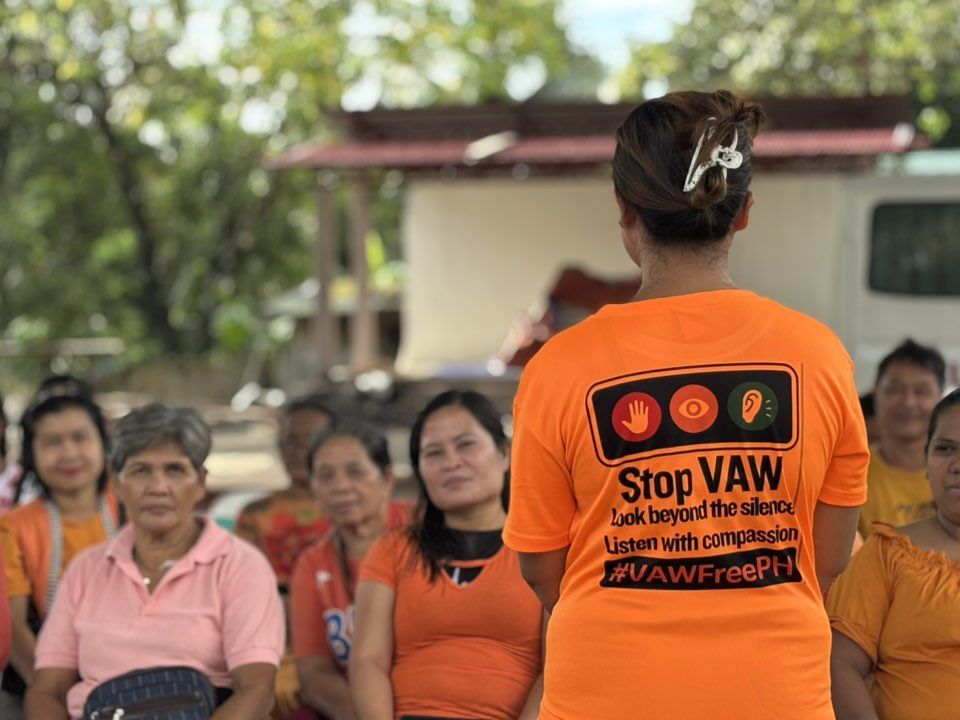
FEBRUARY 27, 2026 — The government’s unified 911 hotline is ringing off the hook — and not just for fires, accidents, or medical emergencies. Every single day, up to 500 calls are tied to violence against women and children (VAWC), according to the Department of the Interior and Local Government (DILG). Now that’s a sobering reminder of how widespread the problem remains.
At the DILG Kapihan forum, Emergency 911 National Office executive director Francis Fajardo revealed that efficiency in handling calls has now reached 98%.
“As of last year, we have yearly recorded calls. Ang natatanggap natin dyan, almost 5,000 cases before the launching. Medyo mababa pa yan, we observed,” he said.
(As of last year, we recorded almost 5,000 cases before the launching. We observed that was still low.)
But the numbers have surged.
“In one year, nasa 5,000. Monthly, siguro approximately 500 ngayon, from January to December. Iyan ang mga latest data natin,” Fajardo added.
(In one year, it’s around 5,000. Monthly, approximately 500 now, from January to December. Those are our latest data.)
The hotline overall receives about 30,000 emergency calls daily nationwide. For VAWC cases, ongoing abuse is immediately referred to the police, while non-urgent concerns are passed on to barangay VAWC desks.
Now here’s the encouraging part: nearly all barangays now have functional desks. Lovesita Daumar of the DILG’s National Barangay Operations Office said 97% or 40,831 barangays are compliant with the required indicators.
“These VAW desk officers are trained and qualified. They provide initial response to victims and coordinate with partners such as the Philippine National Police,” Daumar explained.
This is progress worth noting, especially as we approach National Women’s Month in March. The system is working better, the desks are in place, and the calls are being answered. But the sheer volume — 500 cries for help every day — should make us pause. It’s proof that violence against women and children is not a hidden issue; it’s happening in our homes, our neighborhoods, and our communities.
So how can we, as neighbors and friends, build faster lifelines for women and children who are crying out for help every single day?
(Image: DSWD)