
Iranian missiles reaching PH? — Is social media fueling panic?
Robel A. Almoguerra • Ipinost noong 2026-03-03 23:56:55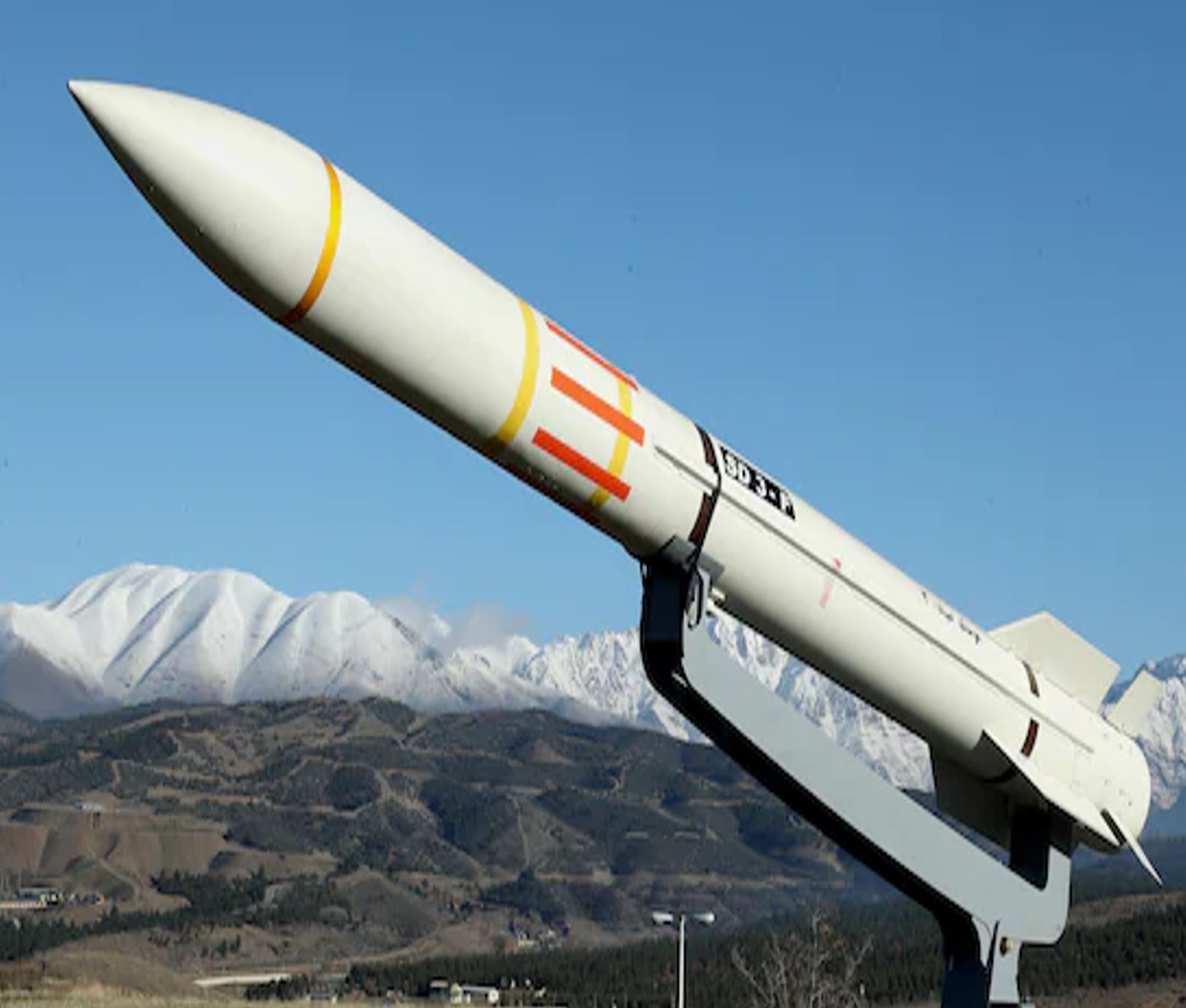
MANILA, Philippines — Amid growing online speculation that Iranian missiles could strike parts of the Philippines, a foreign policy expert has firmly rejected such claims, urging the public to rely on facts rather than fear.
Prof. Renato de Castro of the De La Salle University Department of International Studies said concerns circulating on social media lack geographic and strategic basis. Speaking in an interview, he emphasized that Iran’s missile capabilities simply do not have the range to reach the Philippines.
According to de Castro, most Iranian missiles have an estimated range of up to 1,500 kilometers, with some long-range cruise missiles—such as the Soumar—reaching approximately 2,500 to 3,000 kilometers, based on data from the Center for Strategic and International Studies Missile Defense Project. In contrast, Iran is roughly 7,200 kilometers away from the Philippines, placing it far beyond the operational reach of these weapons.
The speculation partly stems from concerns over Enhanced Defense Cooperation Agreement (EDCA) sites in the country, including Antonio Bautista Air Base in Palawan and Basa Air Base in Pampanga. However, de Castro described linking these facilities to the ongoing Middle East conflict as “naive,” stressing that geography alone makes such a threat implausible.
Beyond missile range, he pointed to broader strategic realities. Iran is reportedly facing challenges sustaining its missile supply amid conflict with the United States and Israel. Rather than projecting power thousands of kilometers away, Iran’s immediate concern, he argued, is regime survival.
The episode underscores how misinformation can amplify public anxiety during international crises. In an era where viral posts spread faster than verified analysis, geopolitical misunderstandings can easily take root.
As tensions escalate globally, the larger question remains: Are we responding to credible threats—or allowing fear and misinformation to shape our perception of security? (Larawan mula sa: NDTV)