
Marcos wants power to cut fuel tax — Senate says yes, but at what cost?
Marijo Farah A. Benitez • Ipinost noong 2026-03-03 19:06:00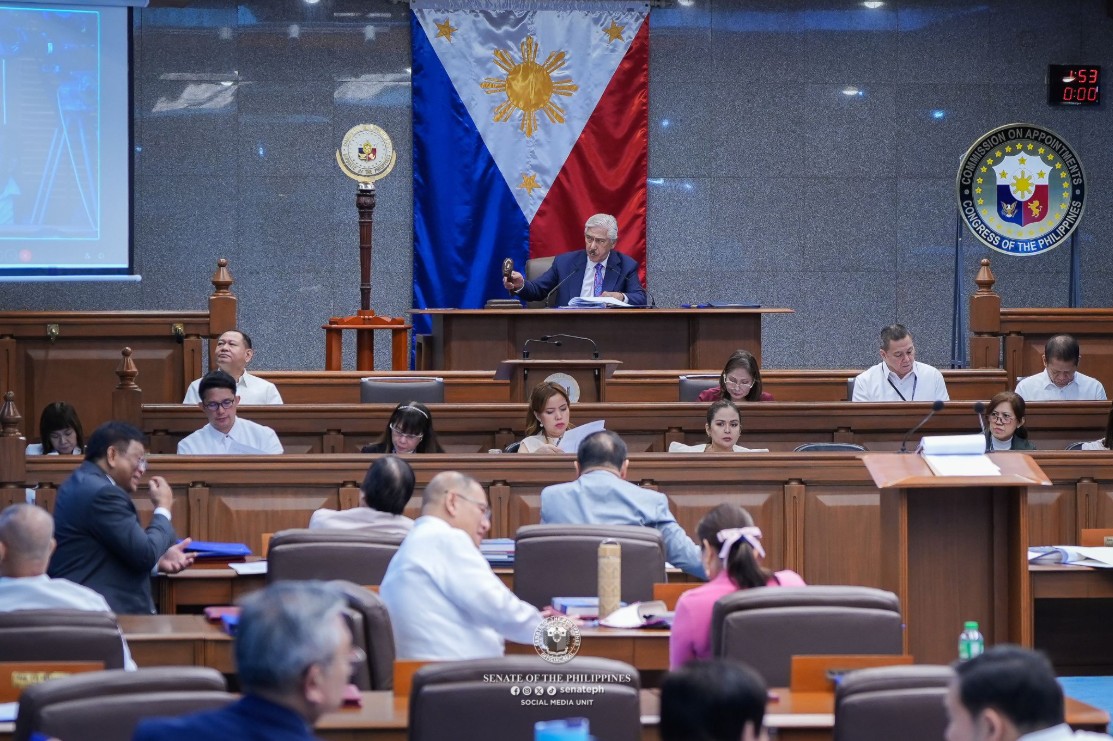
MARCH 3, 2026 — The Senate is warming up to President Ferdinand “Bongbong” Marcos Jr.’s request for authority to suspend or reduce fuel excise taxes, as oil prices threaten to climb higher with the Middle East conflict showing no signs of cooling down. For us ordinary folks, this isn’t just about numbers on a global commodities chart but about jeepney fares, food prices, and electricity bills that could easily spiral out of reach.
Senate Majority Leader Migz Zubiri said, “I am in favor of granting the President those powers to be able to lower the excise tax on fuel. That move will definitely help cushion the impacts on high fuel cost due to the ongoing conflict in the Middle East.”
Zubiri’s argument is simple but sharp. When oil prices jump, the domino effect hits everyone. From the tricycle driver in Quezon City to the fisherman in Zambales, the cost of fuel bleeds into food, transport, and even electricity. Cutting excise tax, he says, is the fastest way to soften the blow.
Other senators are echoing the same urgency. Erwin Tulfo, chair of the Senate foreign relations committee, backed the proposal, saying it’s hard to imagine lawmakers turning down relief for the public.
“I think my colleagues will support this because it will help our fellow citizens and ease their burden. What lawmaker wouldn’t support that?” he argued.
But here’s where the debate gets interesting. The TRAIN Law once had a built-in safeguard: excise taxes would be suspended if Dubai crude hit $80 per barrel. That provision expired in 2020, leaving the government without an automatic brake. Marcos now wants Congress to restore that flexibility, but this time with him holding the lever.
Not everyone is rushing to hand over the keys. Senate President Vicente “Tito” Sotto III has urged caution, noting that the country still has oil reserves that could last two to three months.
“Pag-uusapan muna namin kung paano. Siyempre ako, on a personal opinion, basta’t makakatulong at makakaangat sa magiging maaaring problema natin dito sa nangyayari sa Middle East, siyempre payag ako,” he said.
(We’ll discuss how first. Personally, if it helps and lifts us from the possible problems caused by what’s happening in the Middle East, of course I’m in favor.)
Then there’s Senator Sherwin Gatchalian, who warns of the fiscal hole: suspending excise taxes could cost the government around ₱300 billion a year. That’s money that funds schools, hospitals, and infrastructure. He argues that instead of scrapping the tax, the government should tap contingency funds to directly support PUV drivers who are already reeling from a 15% global petroleum price hike.
So where does this leave us? On one hand, granting Marcos the authority could mean immediate relief at the pump and a ripple of lower costs across the economy. On the other, it risks draining government coffers and disproportionately benefiting wealthier car owners who consume more fuel.
Every peso shaved off per liter matters when you’re stretching a day’s wage to cover rice, fare, and electricity. The Senate’s balancing act — between fiscal prudence and consumer relief — will determine whether this proposal becomes a lifeline or a liability.
The bigger picture? Almost 80% of our oil supply comes from the Middle East. That dependency makes us vulnerable to every geopolitical tremor in the region. Until the Philippines diversifies its energy sources, we’ll keep playing this high-stakes game of reacting to crises instead of building resilience.
The Senate’s decision in the coming weeks will reveal whether lawmakers prioritize immediate relief or long-term fiscal stability. Either way, the public is watching closely, wallets in hand, waiting for that break at the pump.
Will Congress choose to protect Filipino families today, even if it means risking tomorrow’s budget? What do you think?
(Image: Senate of the Philippines | Facebook)